A Manx interlude.
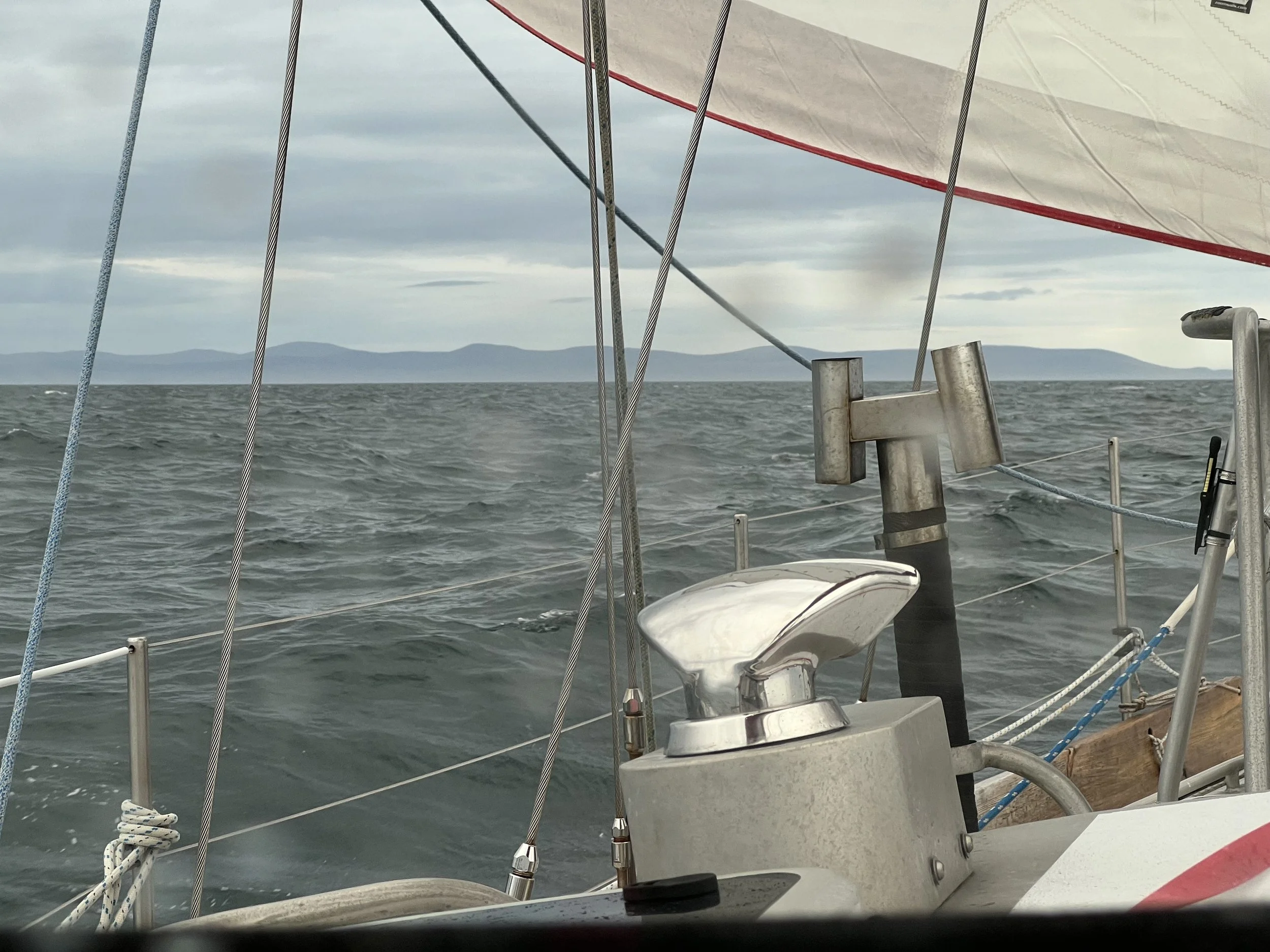
We left Belfast, Northern Ireland, at a leisurely pace. After all, we were only planning on traveling to the entrance of the bay, anchoring off the town of Bangor to wait out the contrary weather forecast for the next couple of days. However on the long motor out of the channel Brian suggested we instead make the jump to Isle of Man, just go and not hang around any longer. By now it was mid-day and we still had 58 miles to go. When your average speed is 5-6kt, starting at noon meant that we would most definitely arrive after dark. This is generally not a good idea, judging distances, spotting floats and buoys as well as confusion by street lights with navigation lights, in an anchorage you are not familiar with, it can be a recipe for disaster. However, always up for an adventure, I agreed and we pulled out the sails, and put in a course for Peel Harbor on the west coast of the Isle of Man.
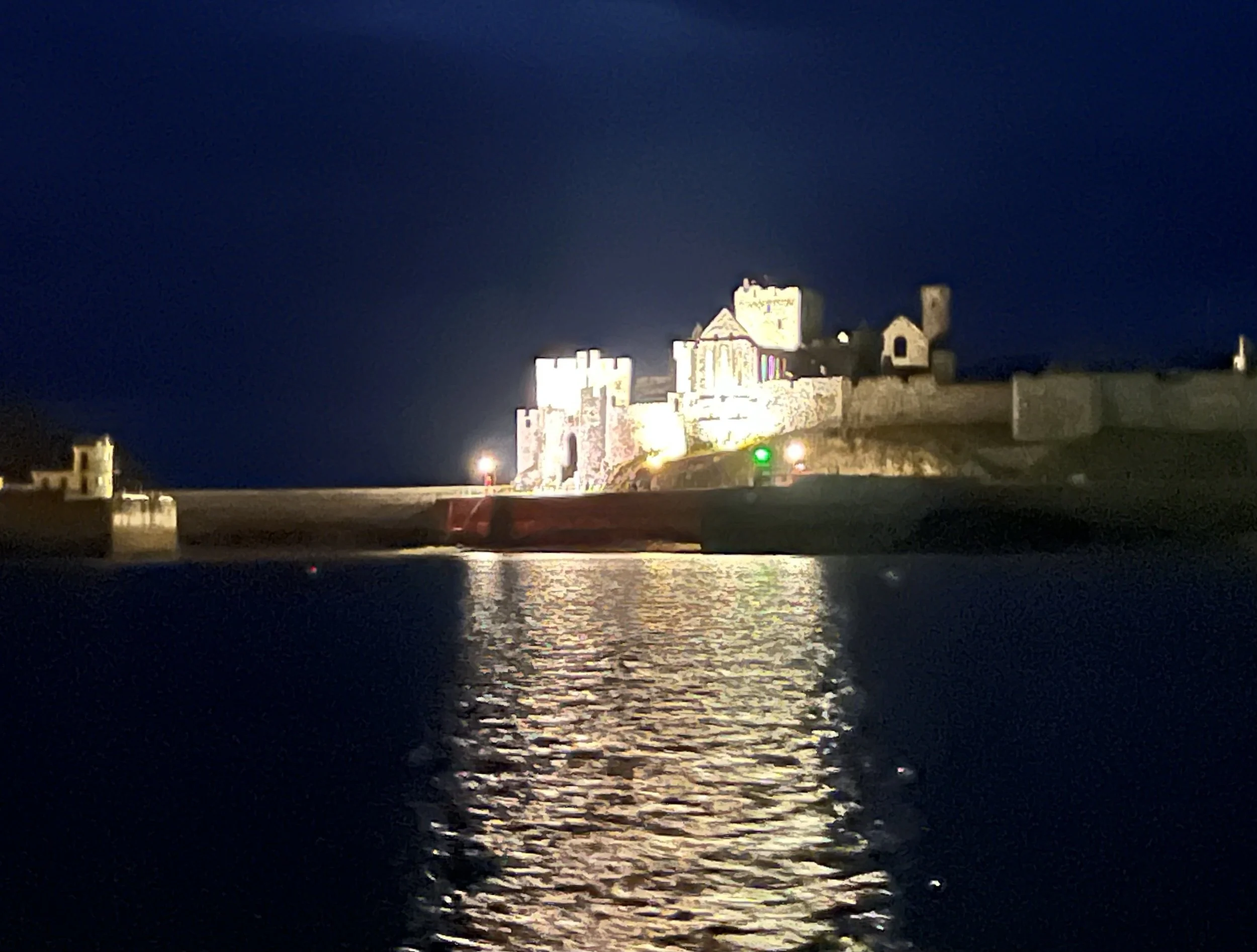
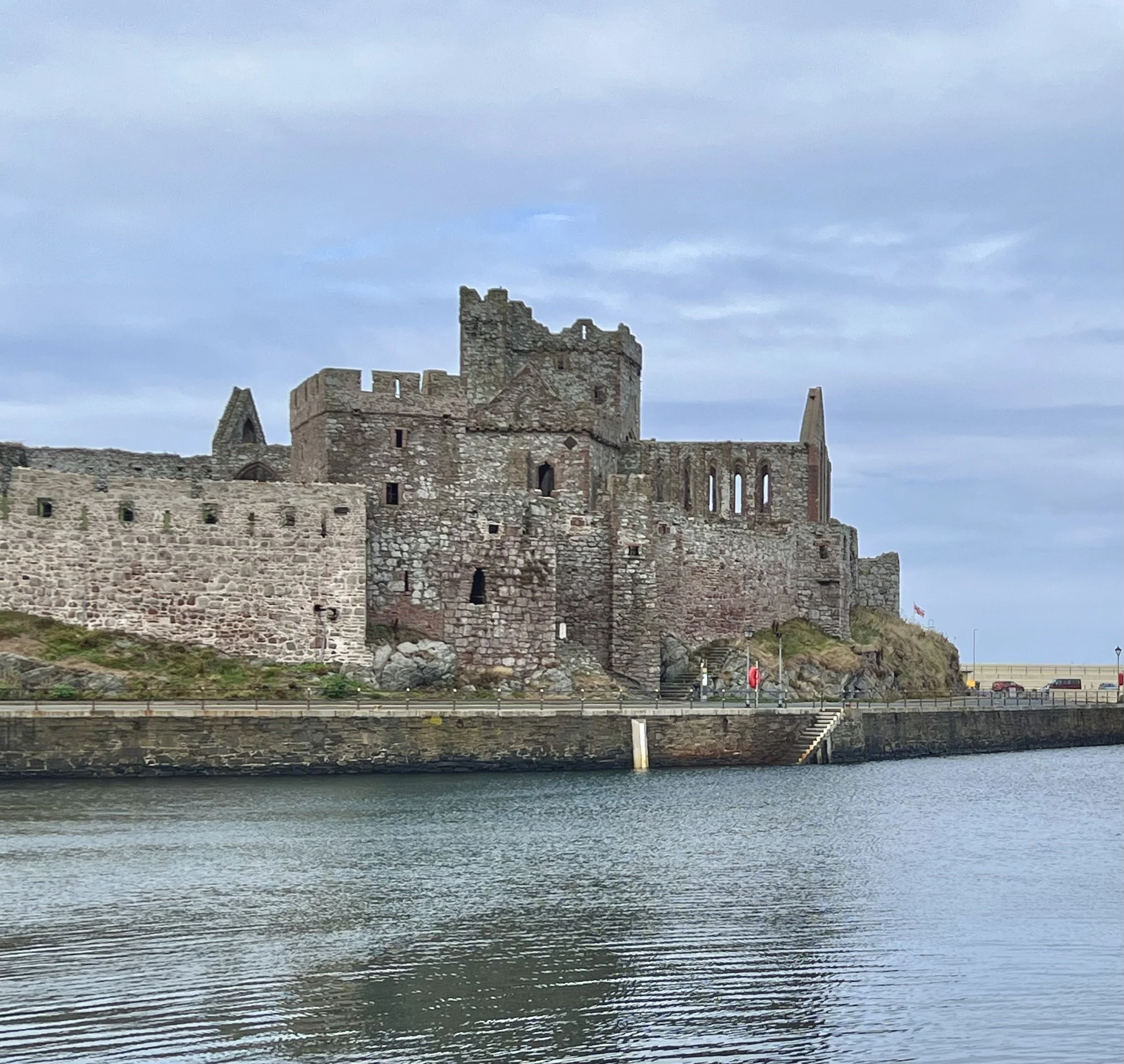
We could see land before it got dark, but it was still a long way to go. We pulled into the bay at 9.30pm, searching for the visitor mooring buoys with a powerful flashlight. The castle that guarded the bay was dramatically lit up.
The view the next morning was not too shabby either.
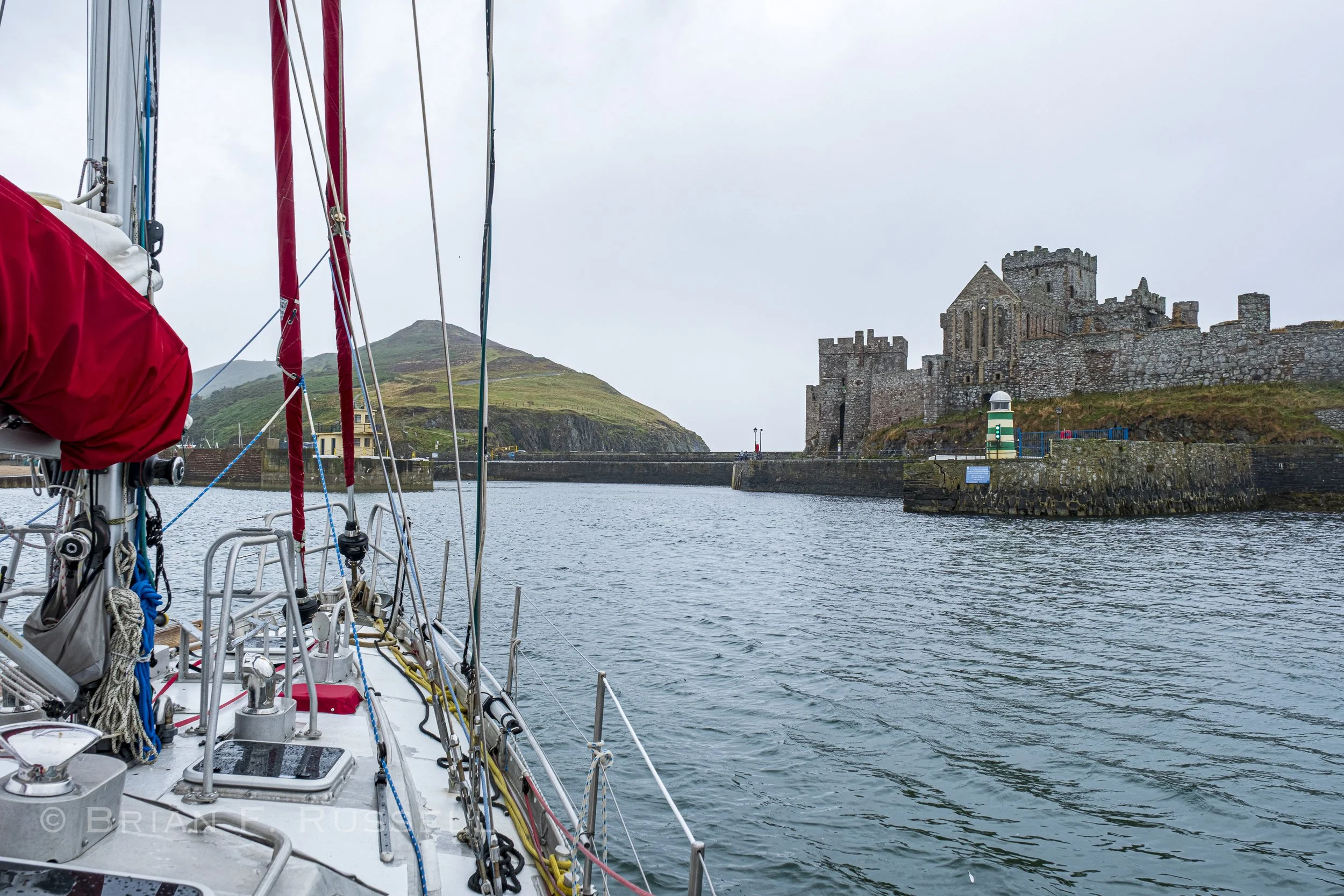
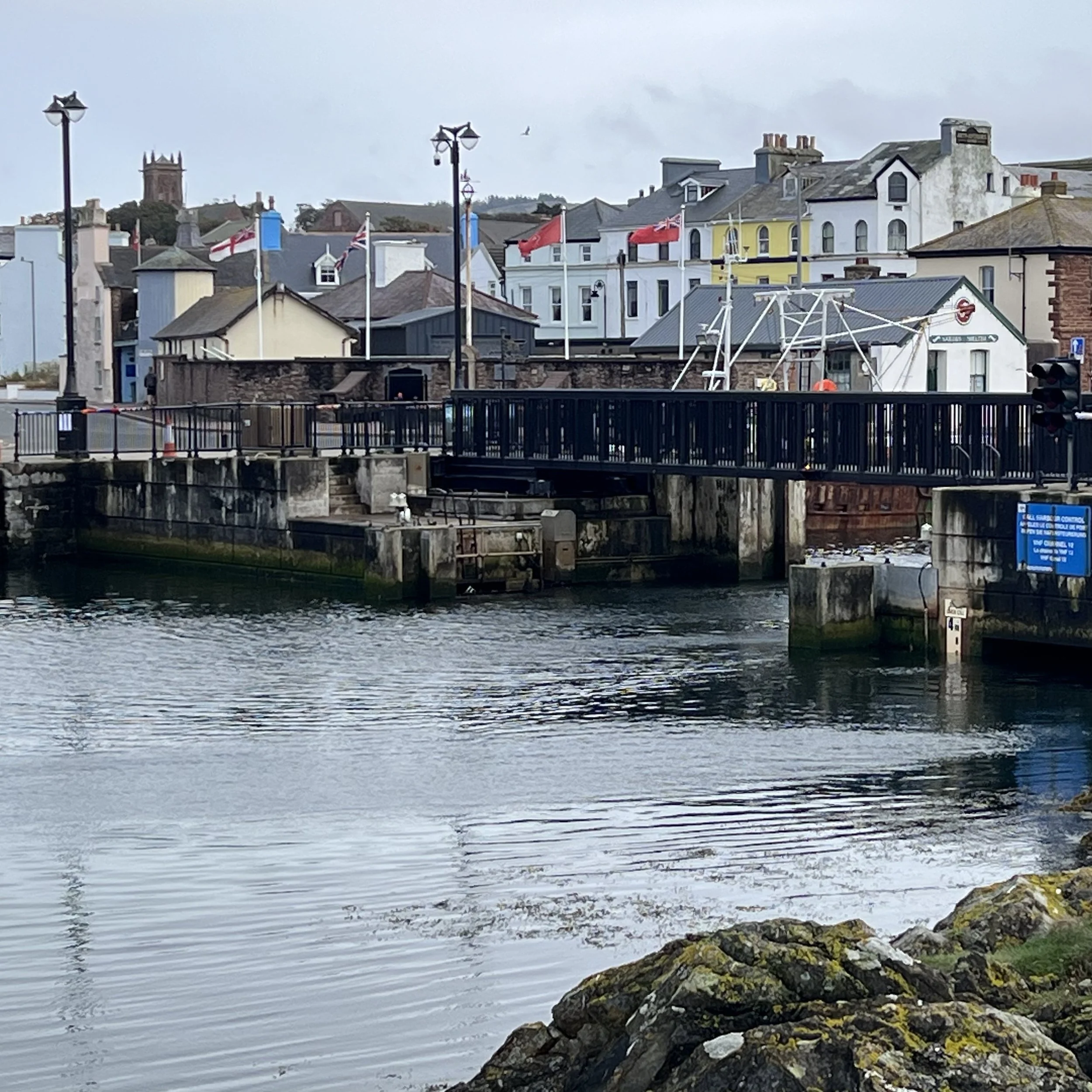
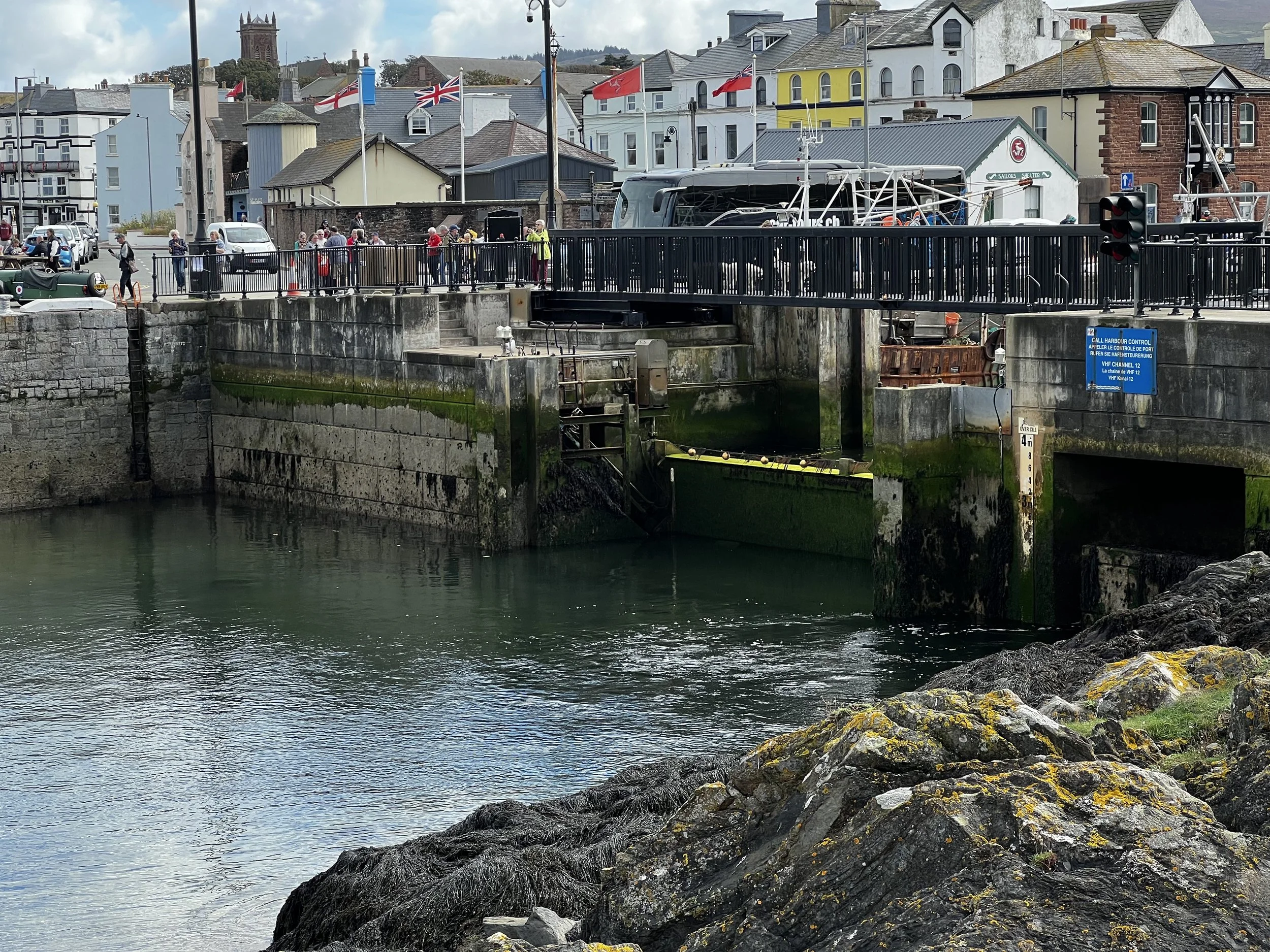
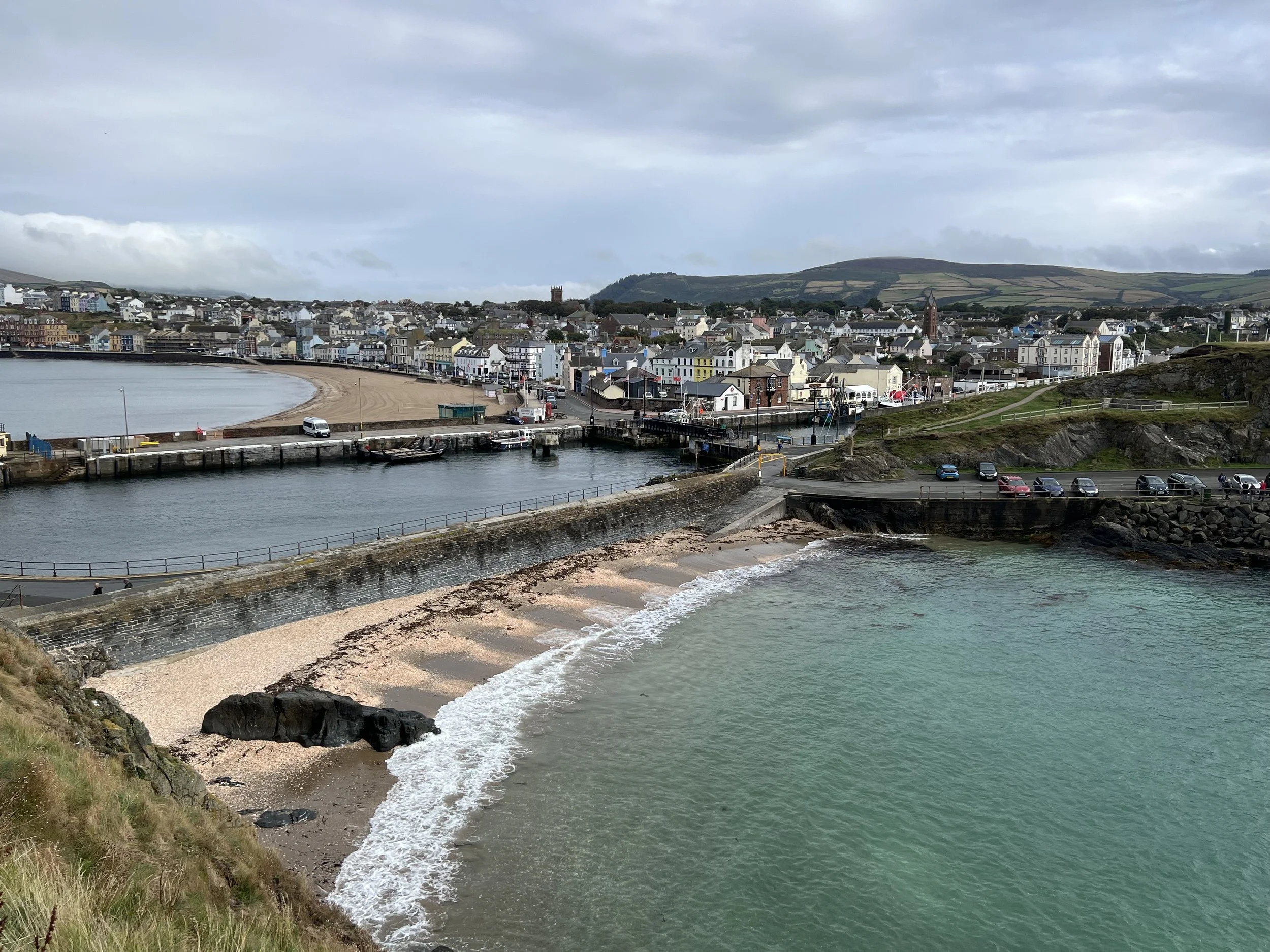
The entrance to the inner harbor is between the breakwaters.
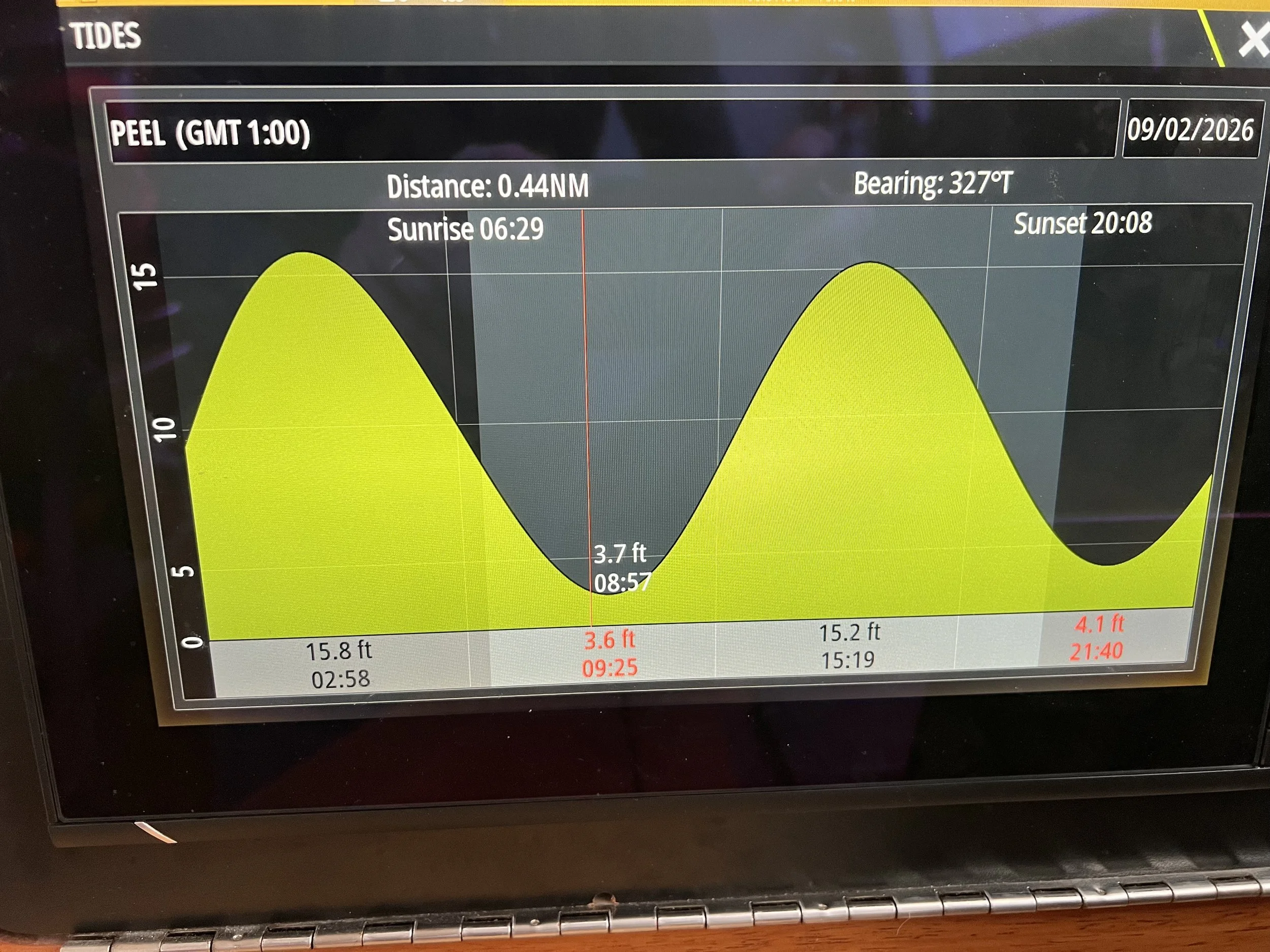
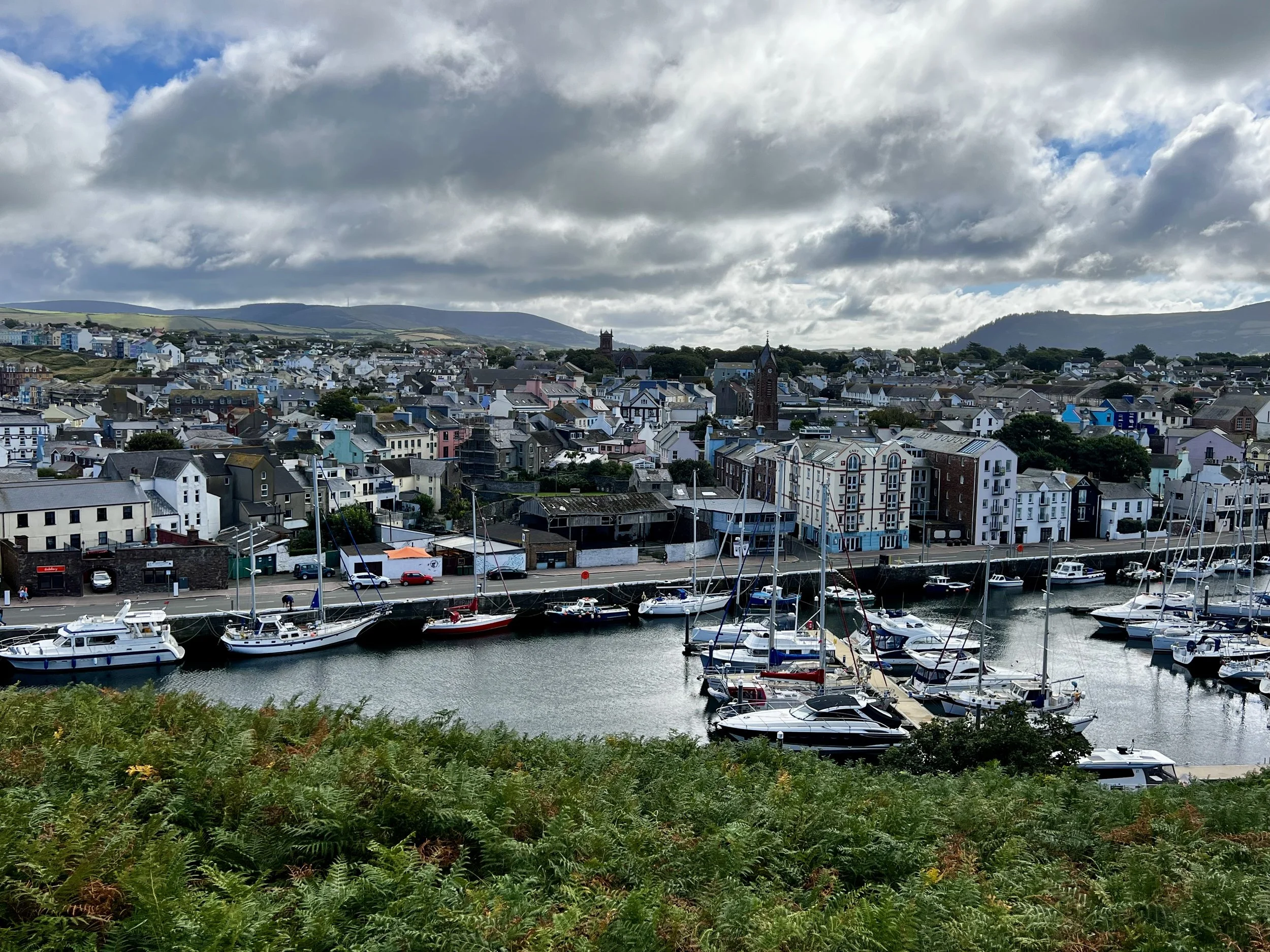
We checked the tide tables and found it was not high tide until early in the afternoon. The Isle of Man has big tides, a 15ft range, and almost all the harbors dry out at low tide. This is fine if you have a boat designed to sit in the mud – maybe it has twin keels, or a retractable keel. Helacious has neither and we were not comfortable with tying to a stone pier, leaning into the wall as the water disappears from around the boat. Inner Peel harbor is a “locked basin” made possible by a sill that raises to “hold” the water at a depth to allow most boats to float. The sill is lowered 2 hours before high water and it is raised two hours after high water. Therefore you can only access the inner harbor in a 4-hour time period, which changes according to the tide table every day. We called the harbormaster on the radio and confirmed the sill would be lowered at 1:15pm, and he would then also open the swing bridge to permit us entry. We were assigned an easy berth on the floating dock. We got lucky, there were only 5 spots inside that would accommodate our 6ft draft, and one happened to be free, for a couple of days, until the full time owner returned. The alternative was to raft up to the marina’s stone wall. We accepted the pontoon spot gratefully. As it turned out, the owner, possibly also constrained by weather, did not return while we were there, so we were on the pontoon for 8 days. You might be able to spot Helacious’ red canvas in the photo below?
The Isle of Man is an interesting place, a product of its turbulent history. Inhabited since 6000BC, ignored by the Romans, it was the capital of The Kingdom of the Isles, founded in the 9th century by Norsemen. Along with the Hebridean islands of Scotland it was under the dependency of Norway (lots of Viking history here). In the 13th century King Magnus sold his protectorate over to Alexander III of Scotland (lots of Gaelic history here). In 14th century England got involved, but unlike Scotland, Wales and poor Ireland, it did not get incorporated into the United Kingdom of Great Britain, it has always managed to retain its own governance. In fact the Tynwald, still ruling the Isle of Man today, was established in 979AD, and is the oldest continuous legislature in the world. These days it is more known as the home of the TT motorcycle races, as a tax haven and the Manx cat.
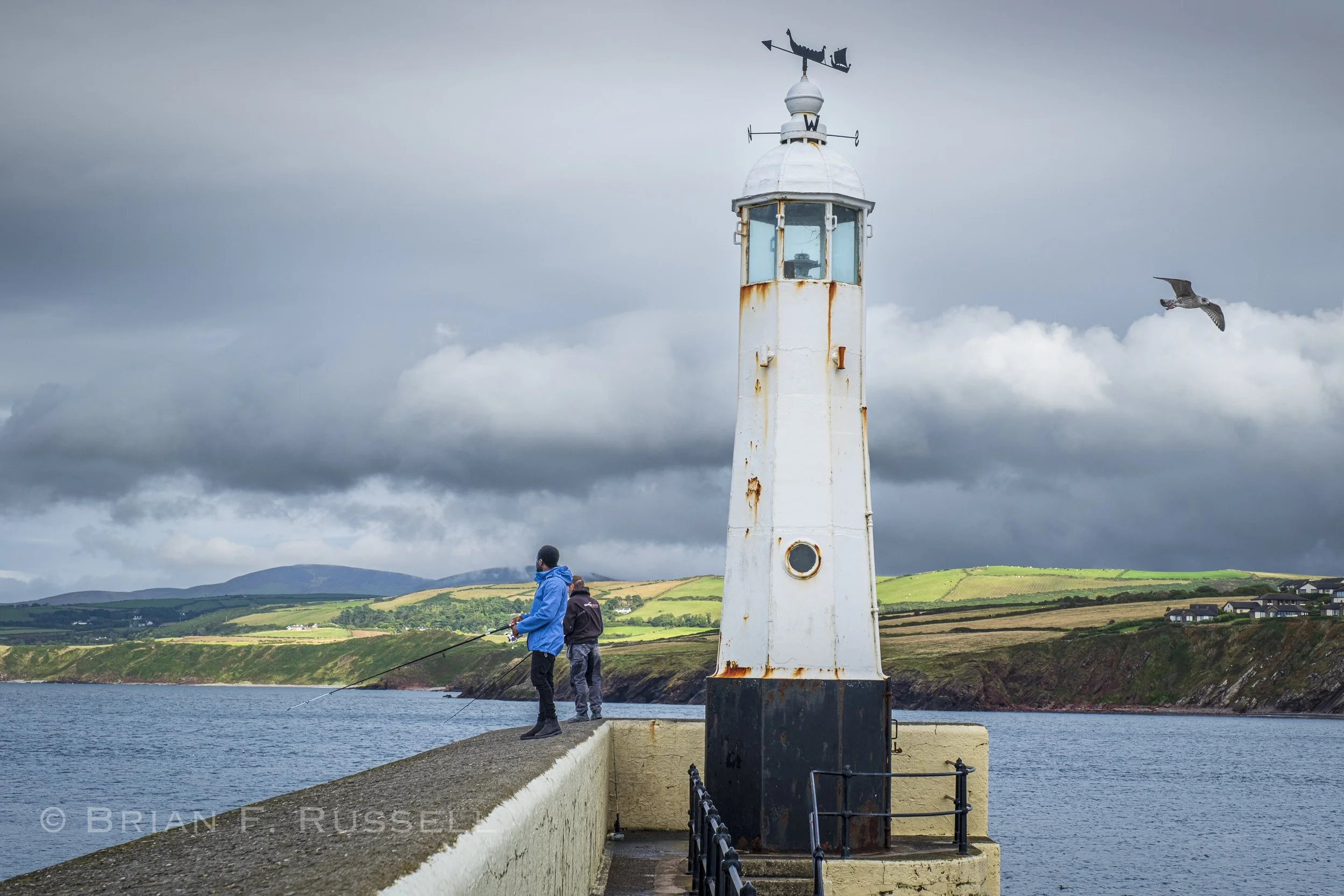
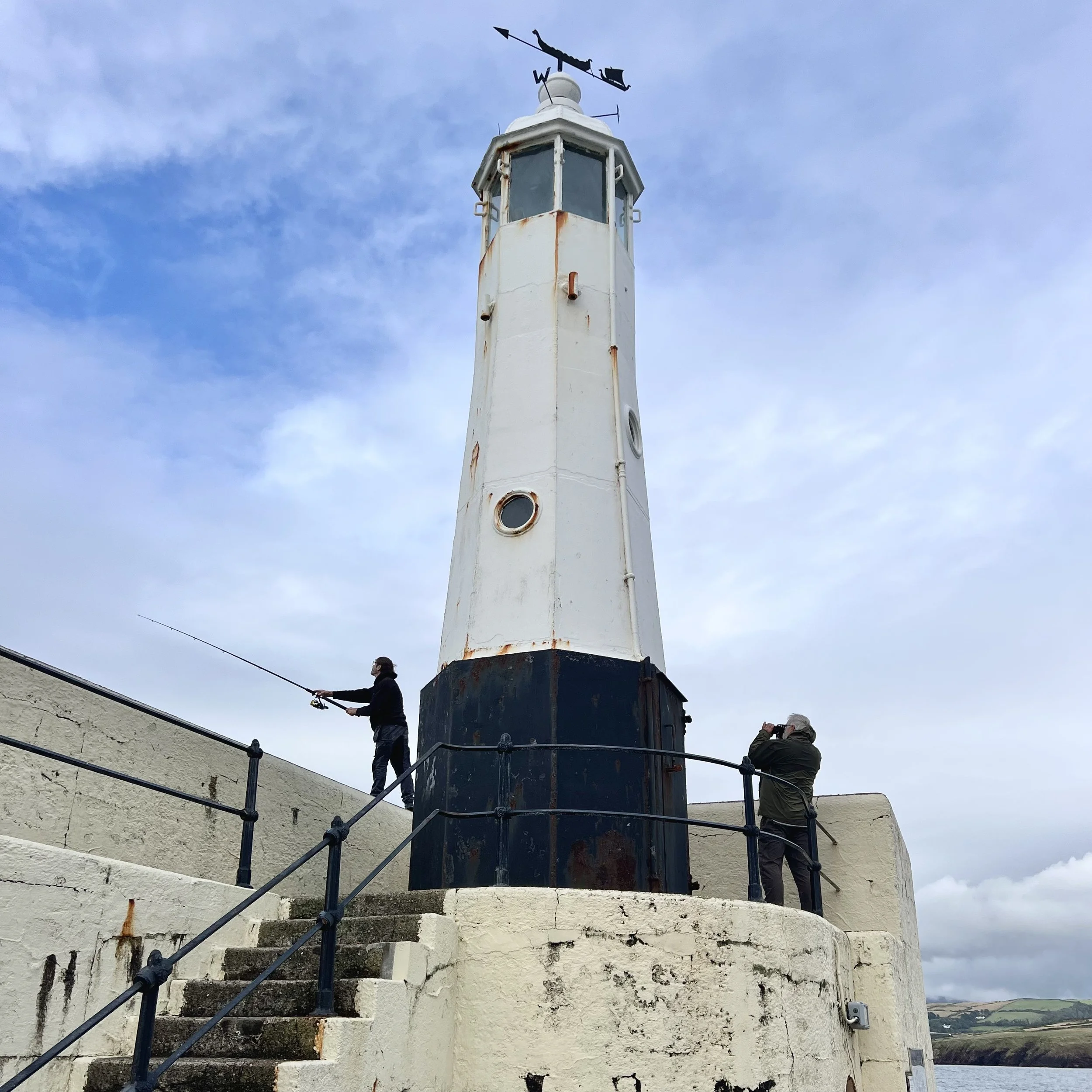
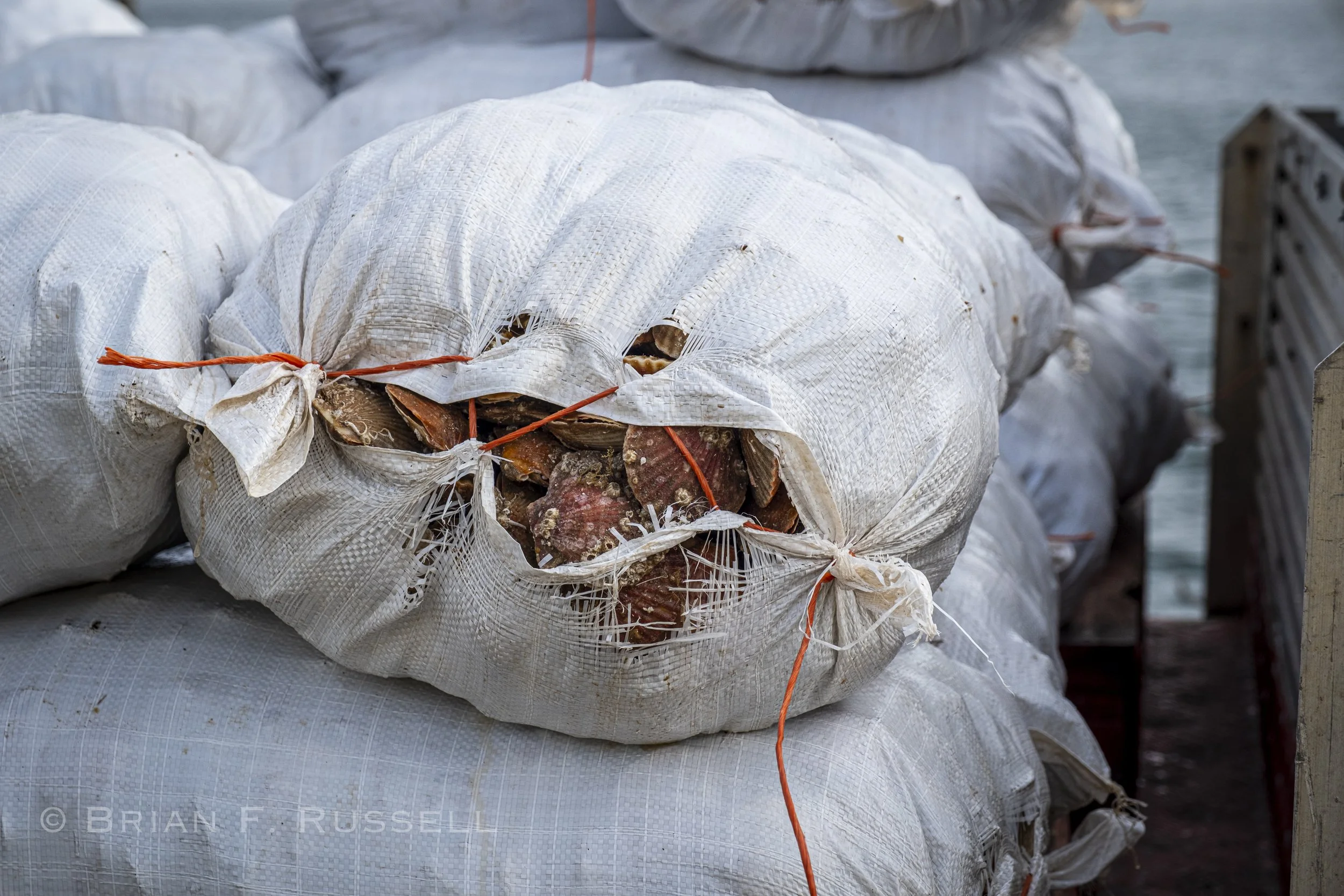
That afternoon we went for a walk out and around the castle. The beach just below was covered not with sand, but large chunks of scallop shell. The castle was not so much for defense of the town, but as protection of the Christian cathedral within its walls. We walked out along the breakwater to the lighthouse and watched the fishermen trying to catch mackerel.
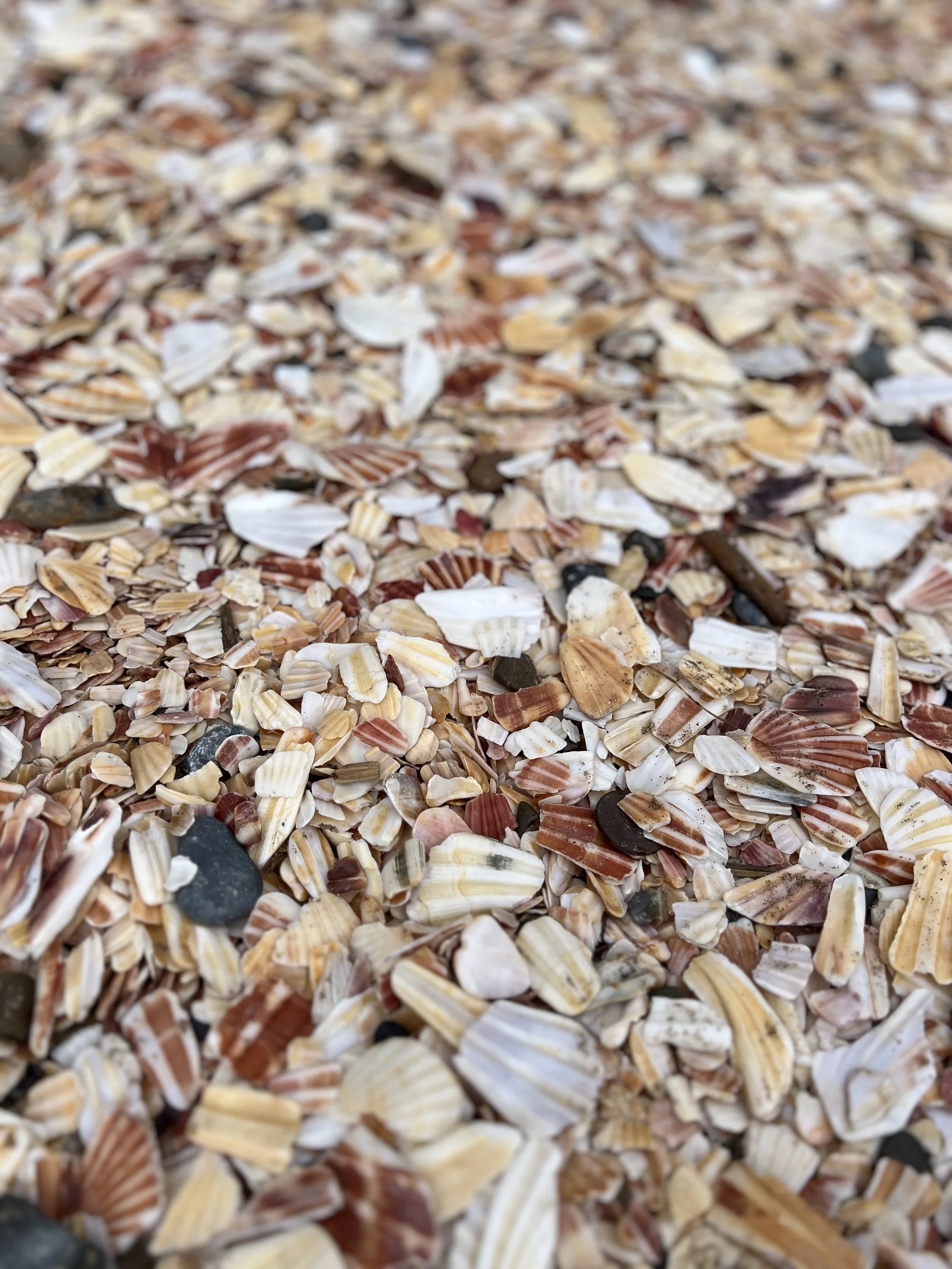
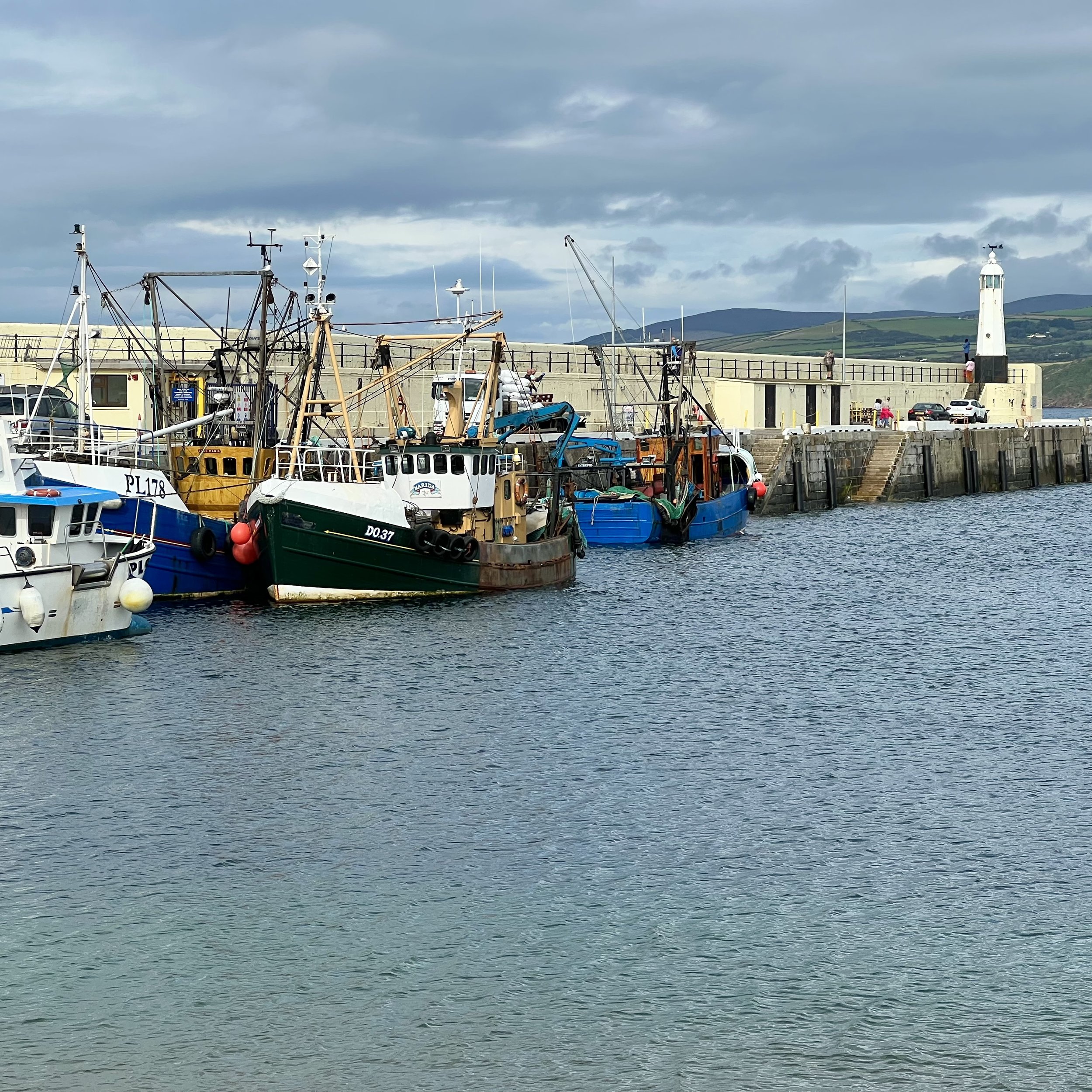
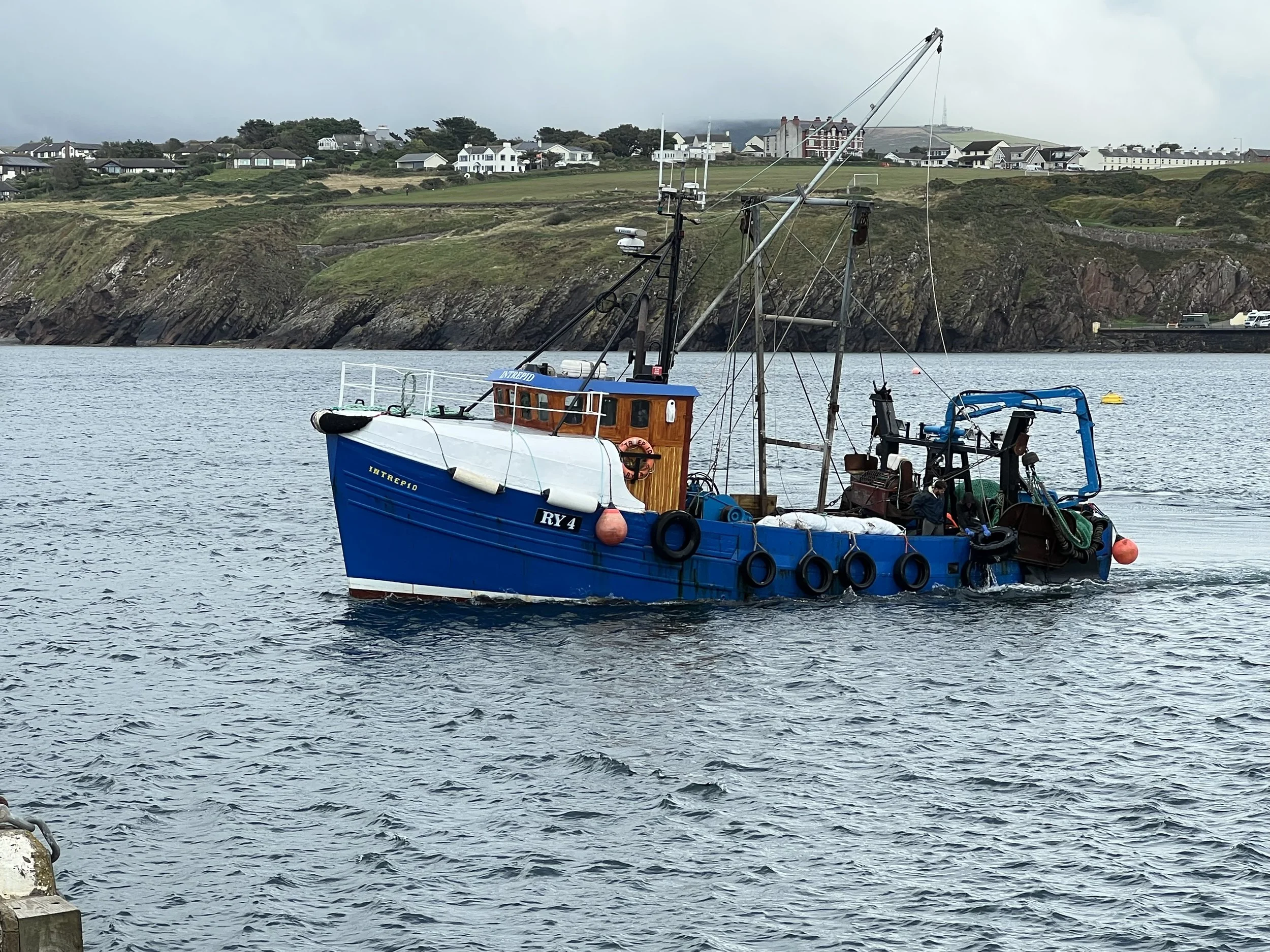
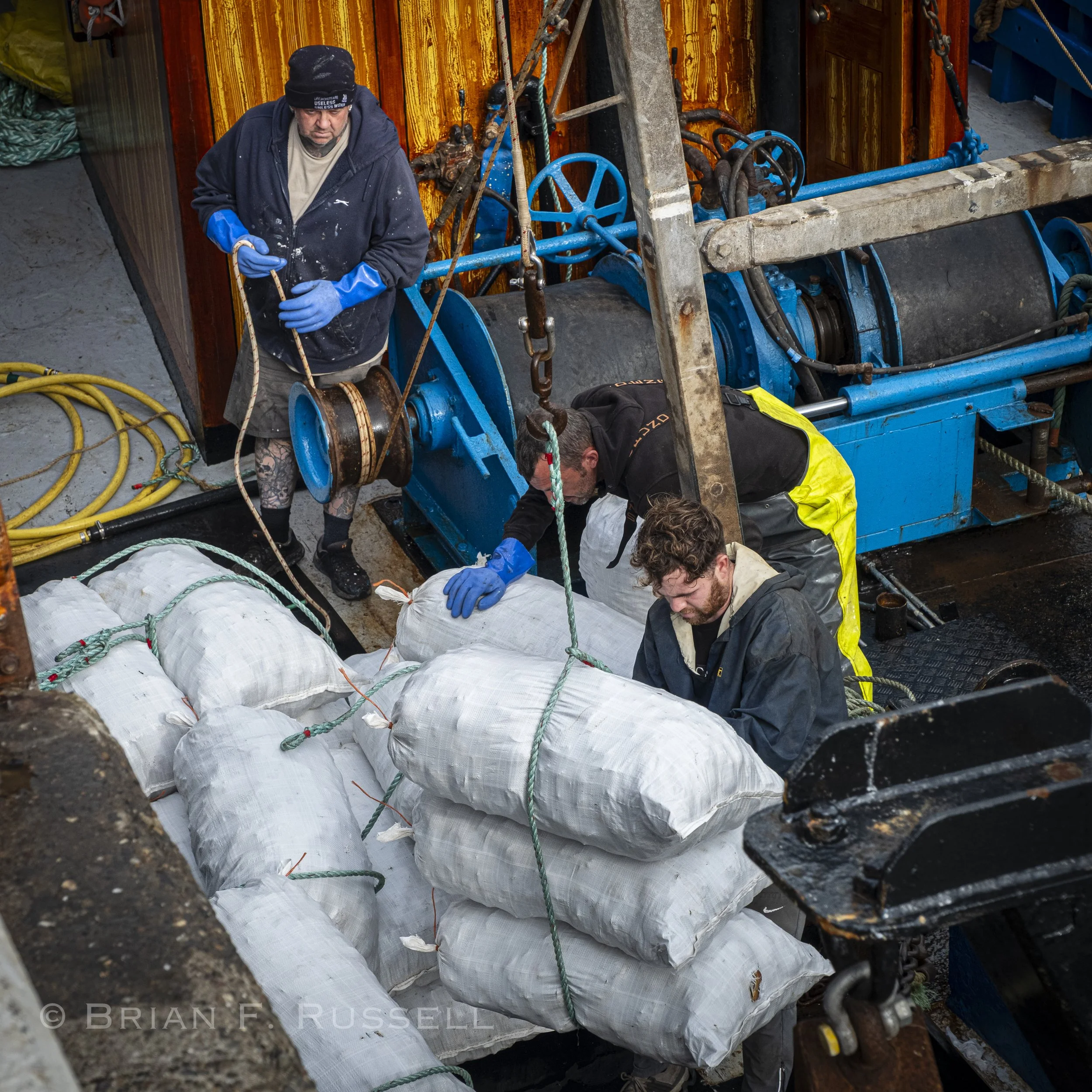
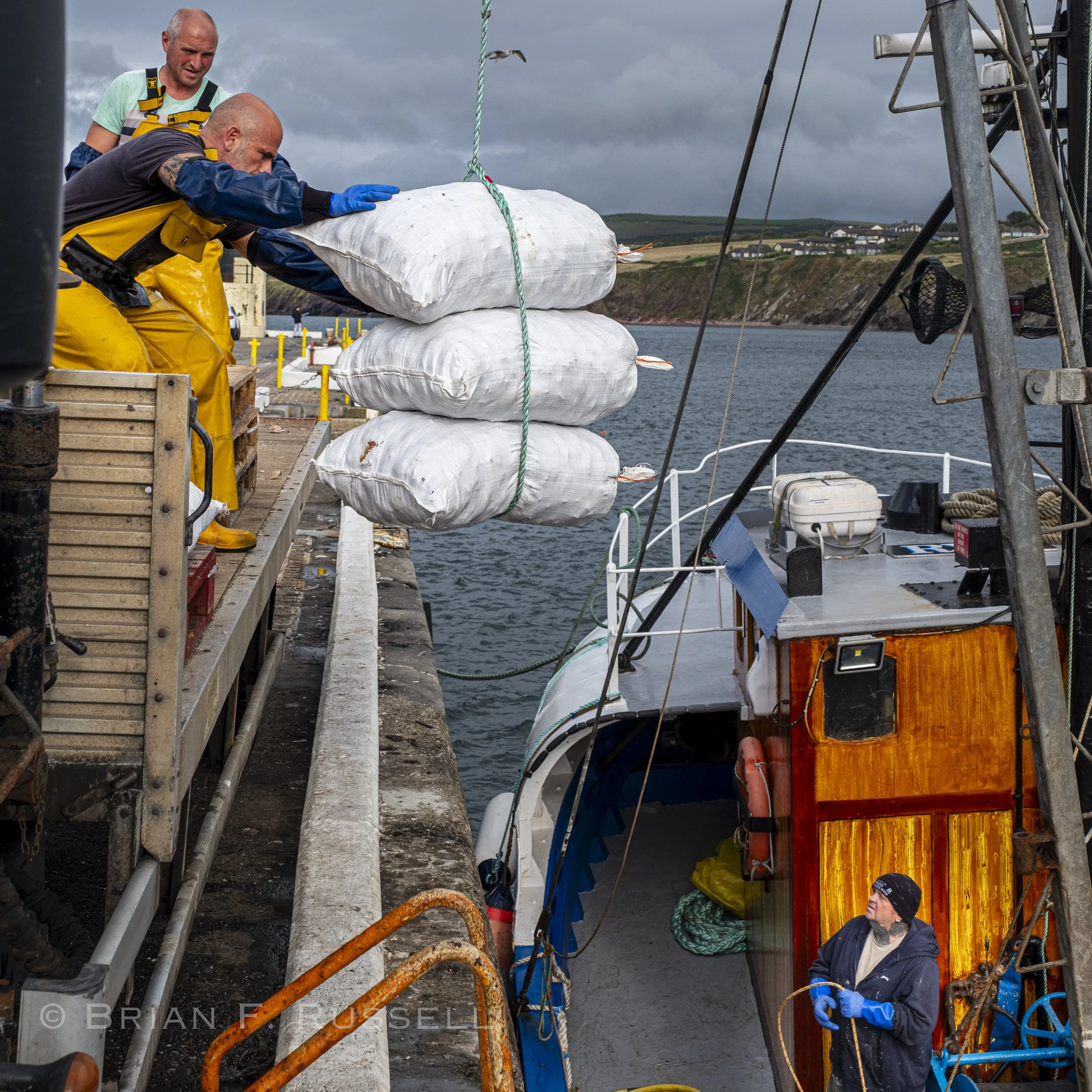
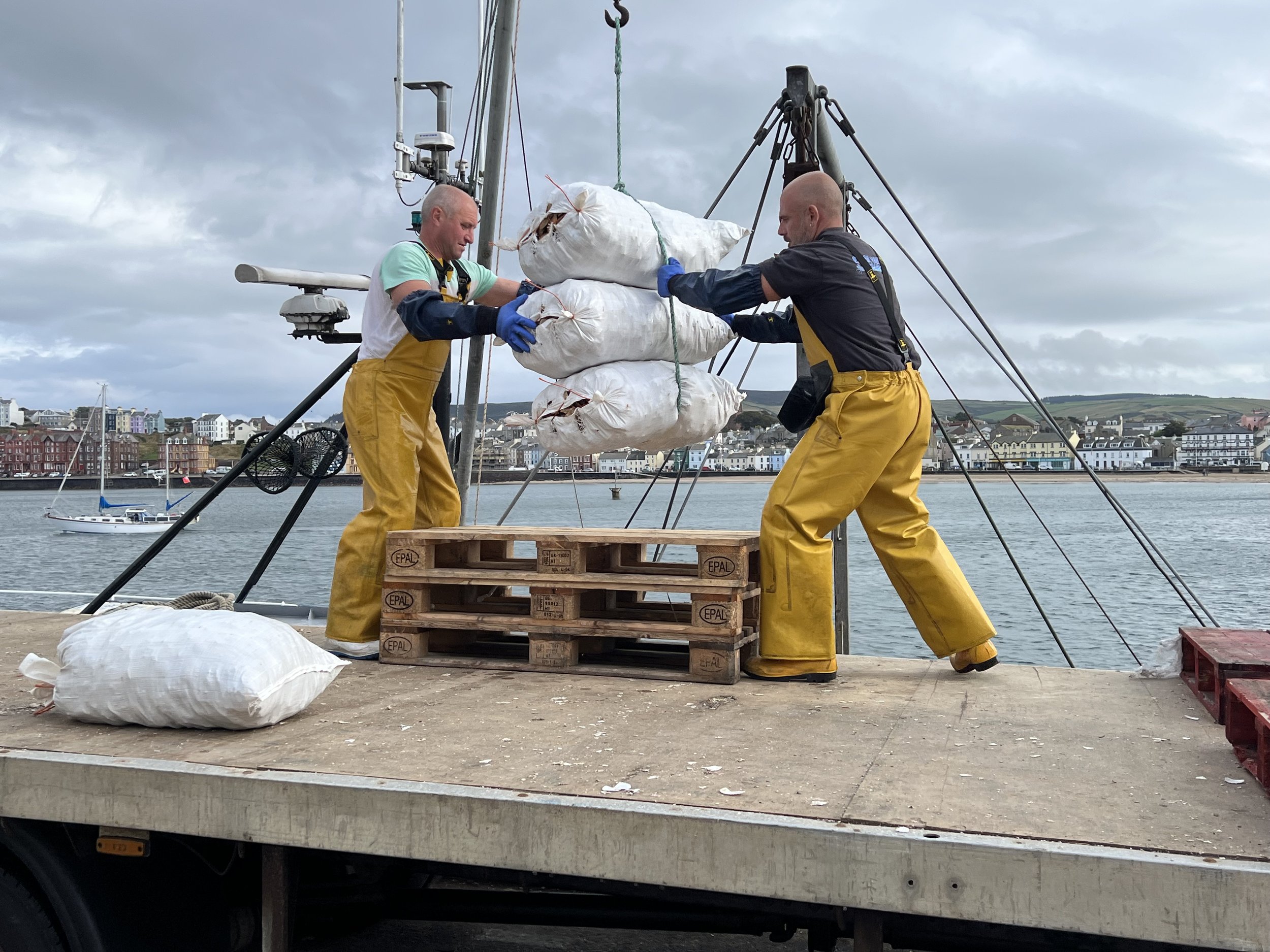
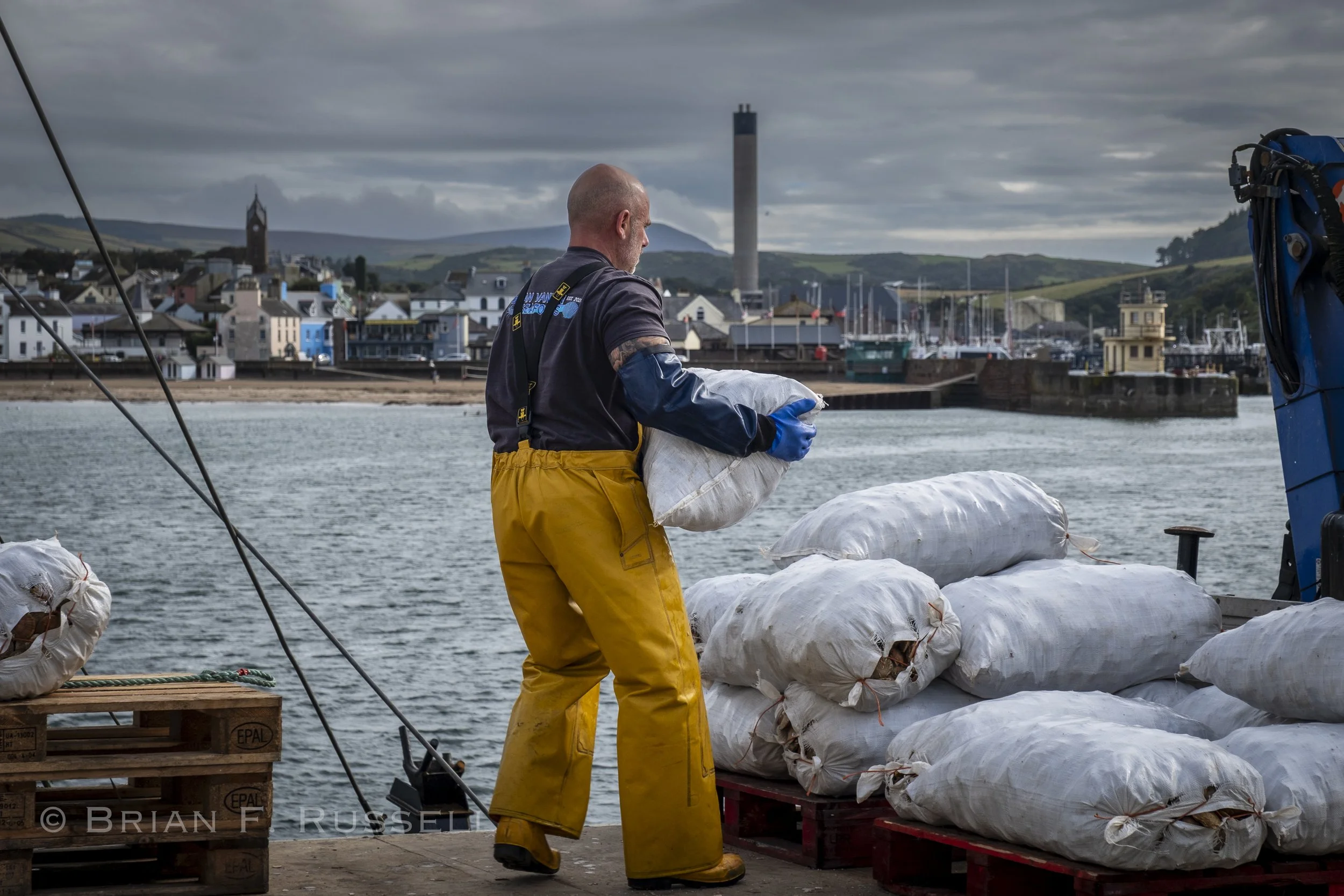
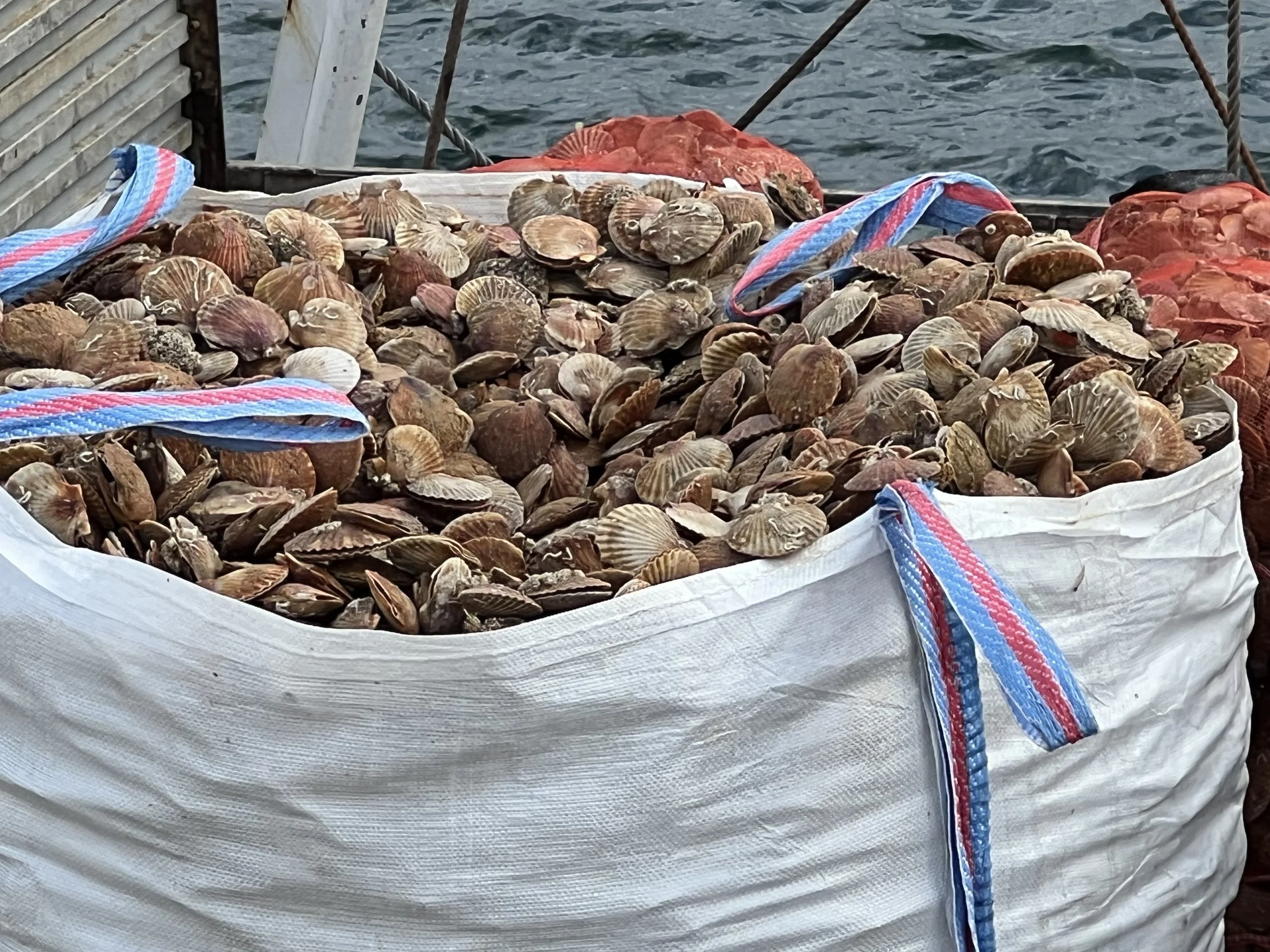
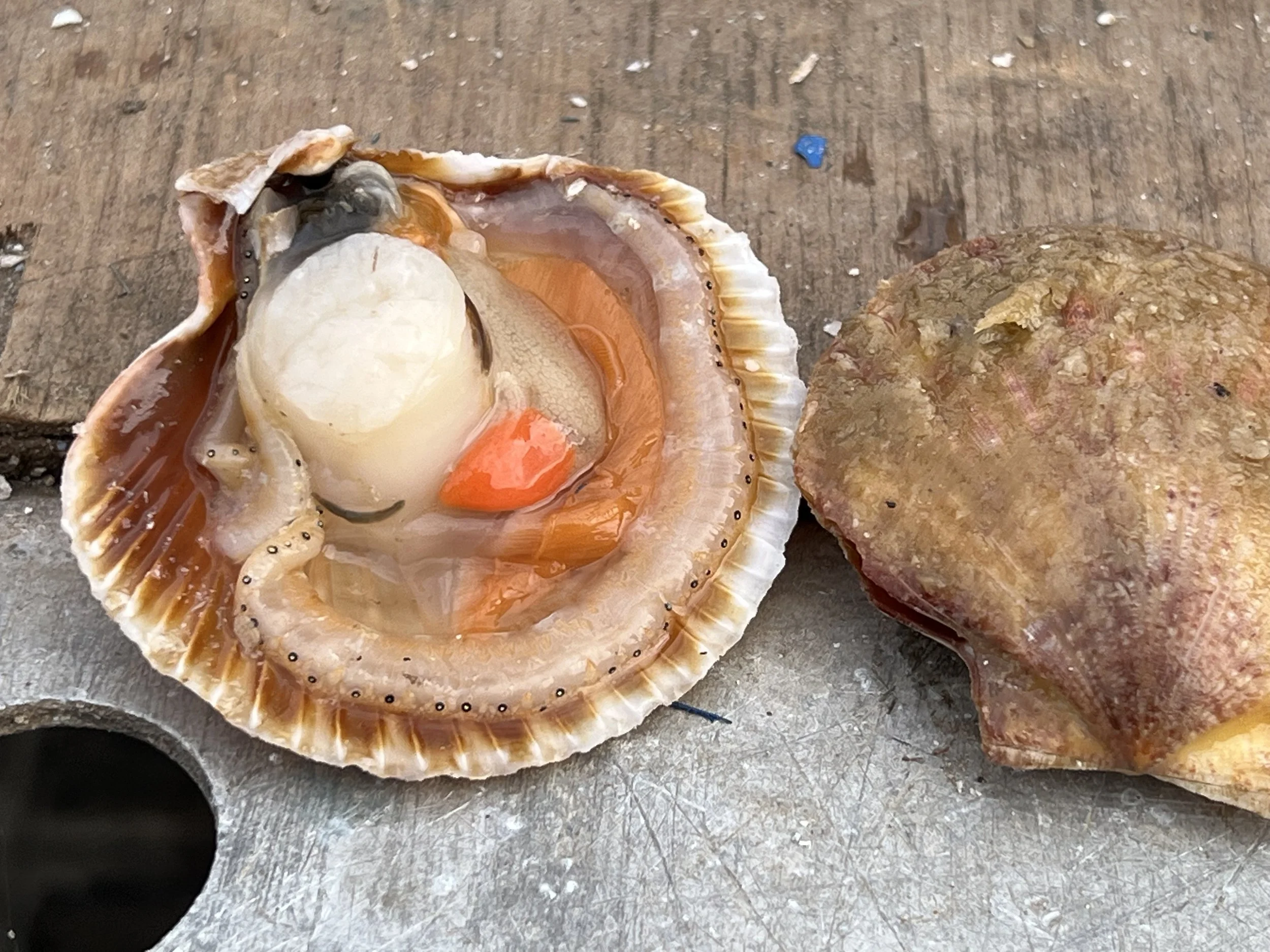
Then some fishing boats started to arrive. It was so interesting watching them dock to unload their catch of the day. These are scallop fishermen; the local speciality is Queenies, a small delicate scallop. Maybe this explains the scallop shells on the beach? We chatted to the owner of a seafood processor who was loading up his truck with the 10 tons of scallops allowed per day. Despite that jaw dropping amount, the Isle of Man is actively regulating their fishing grounds for sustainability, so successfully that the same system has been adopted by New Zealand. We were invited to come over to his place the following morning to get some shucked and cleaned Queenies at wholesale price.
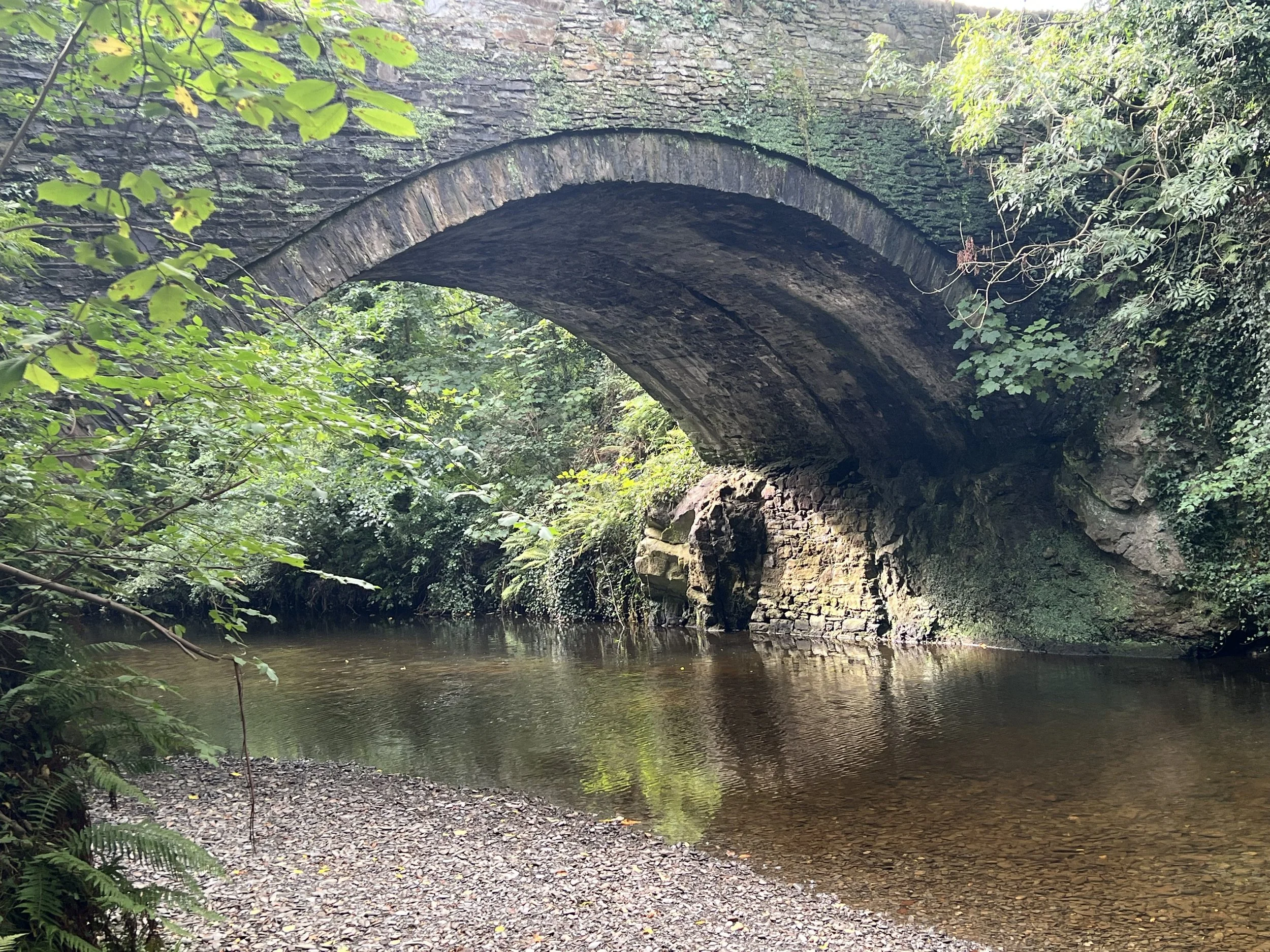
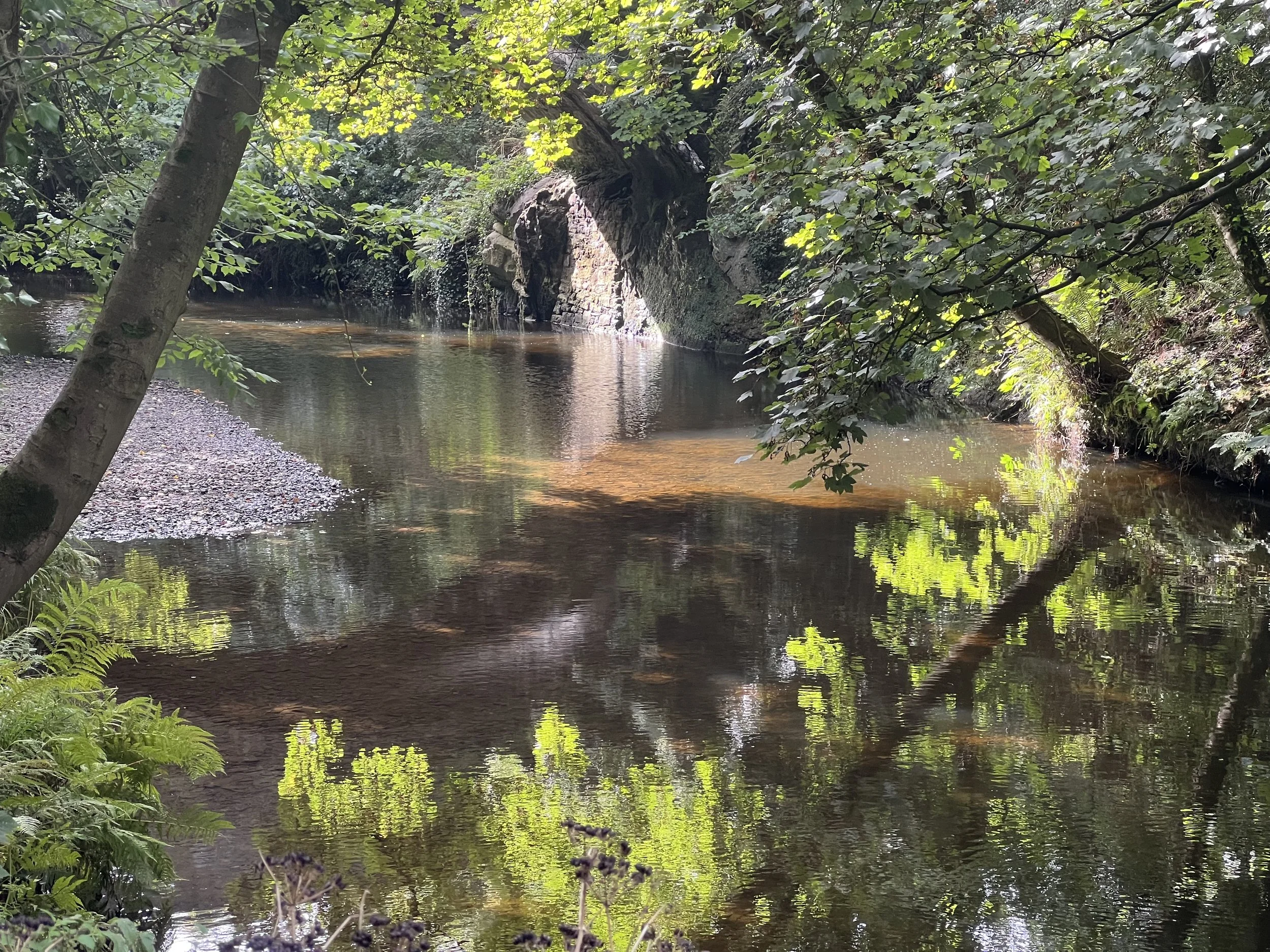
The following day we found a trail heading for the Tynwald, the original and ceremonial site of the Manx government. It was along an old railway track, following the stream up from the harbor, then into the hills beyond. It was easy and pretty.
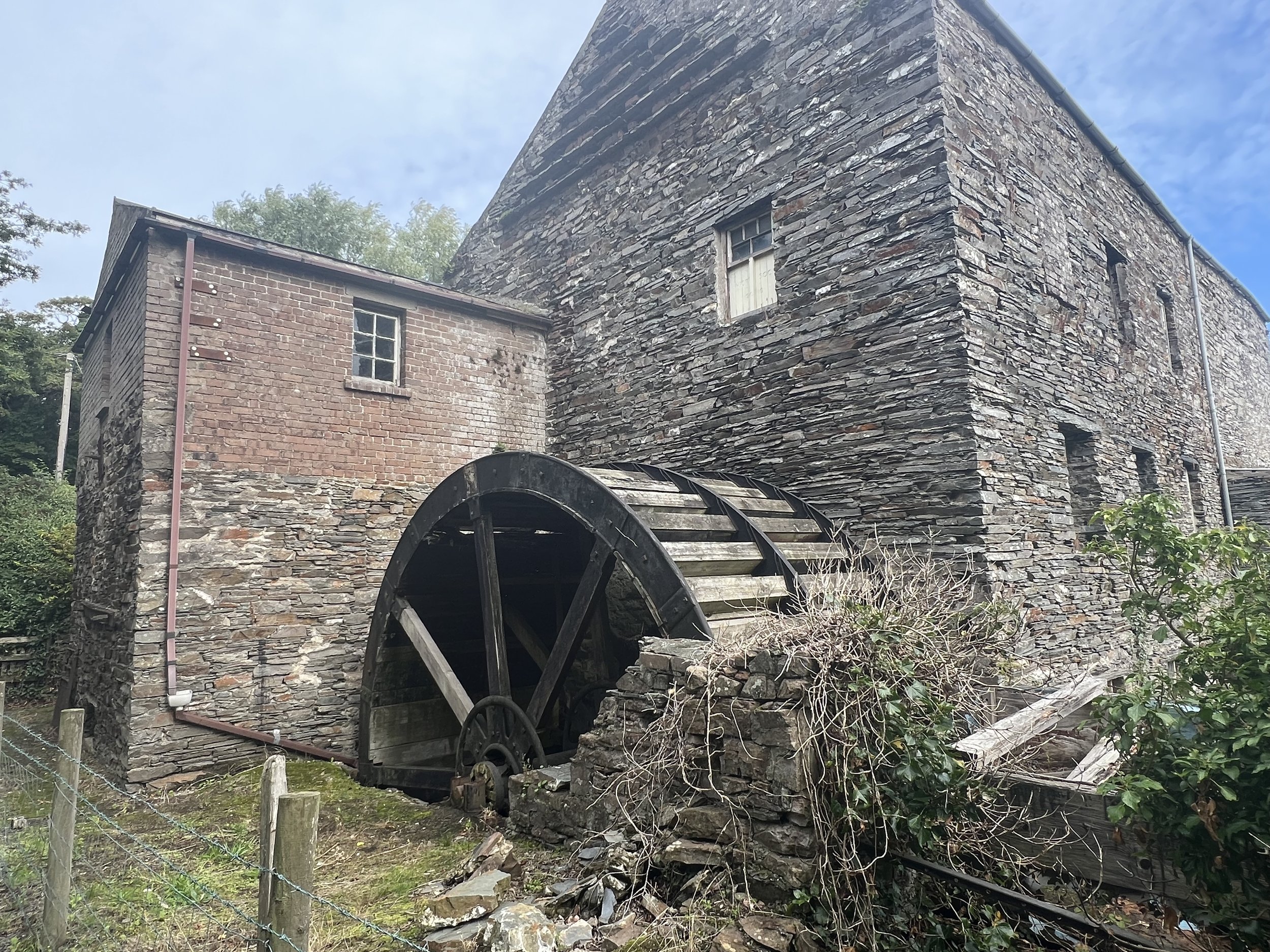
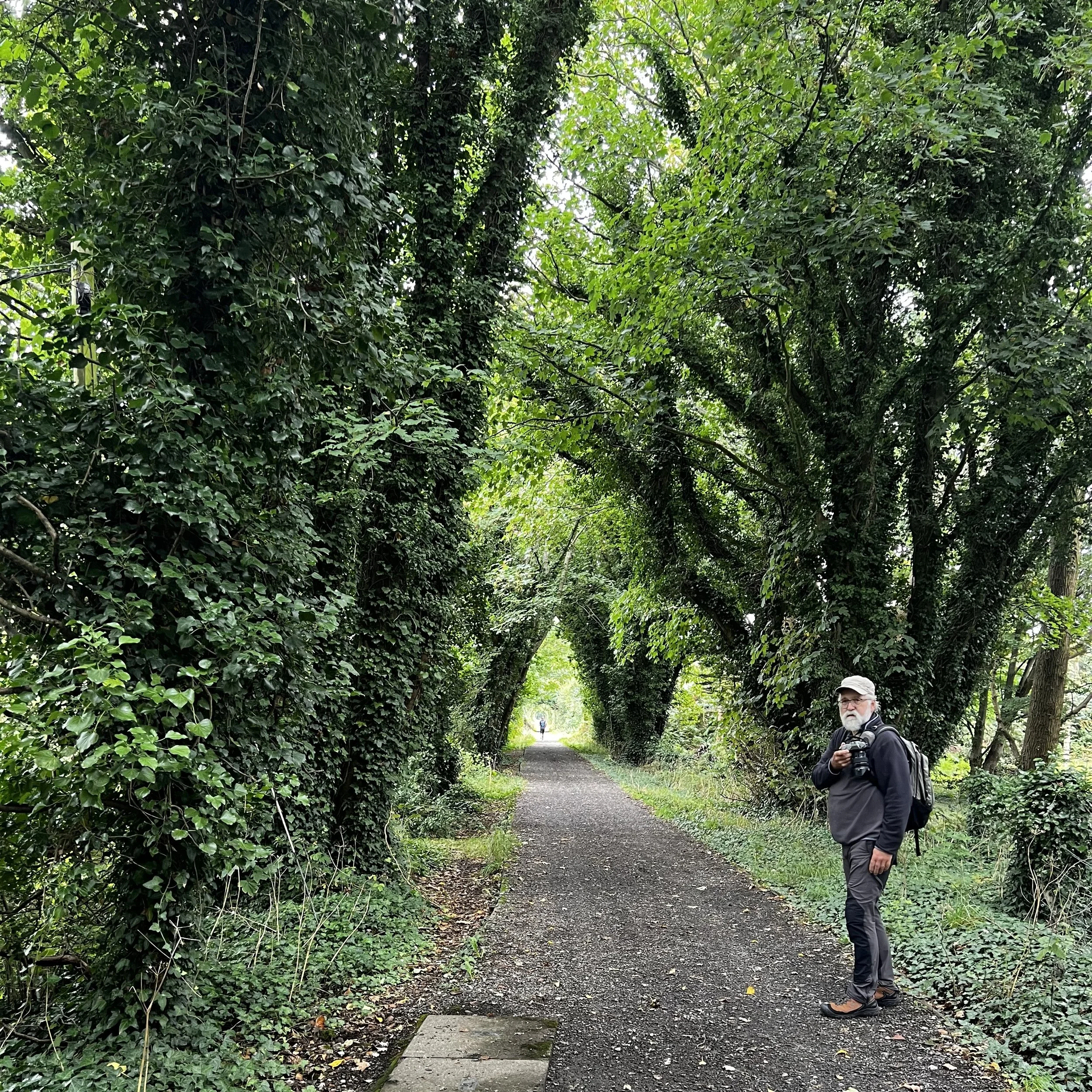
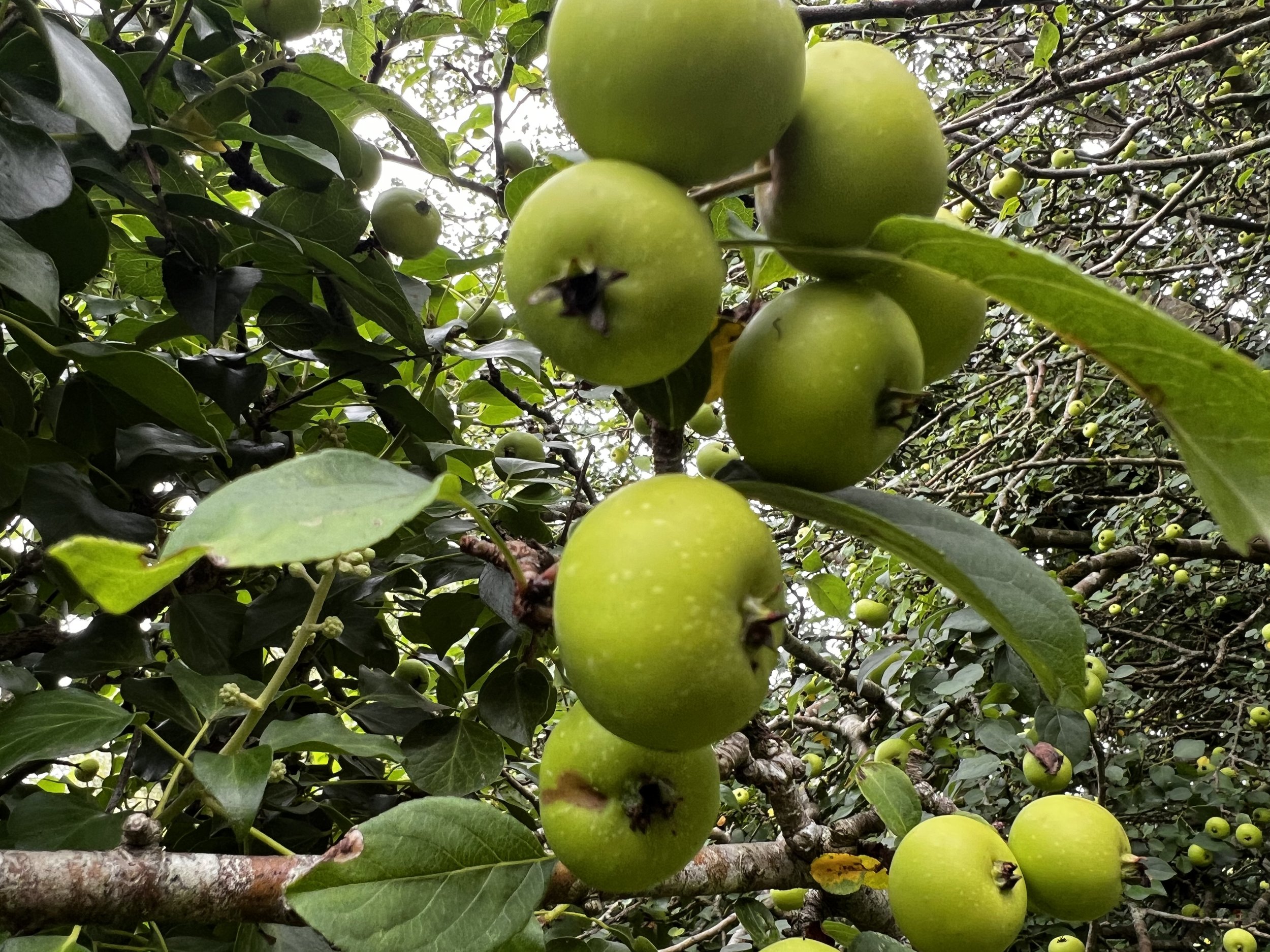
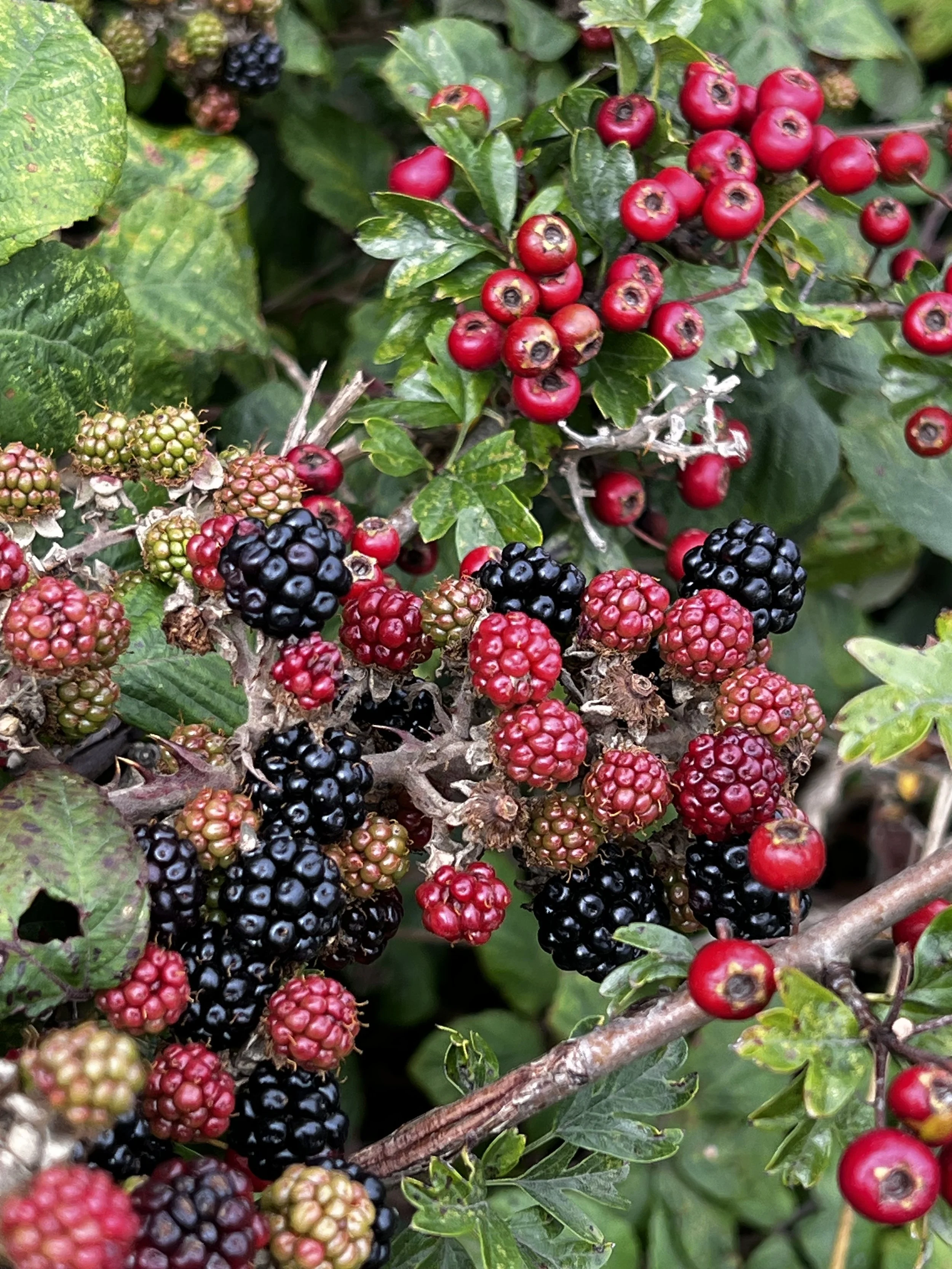
We arrived at the Tynwald, the site of the annual ceremonial meeting of the Manx government.
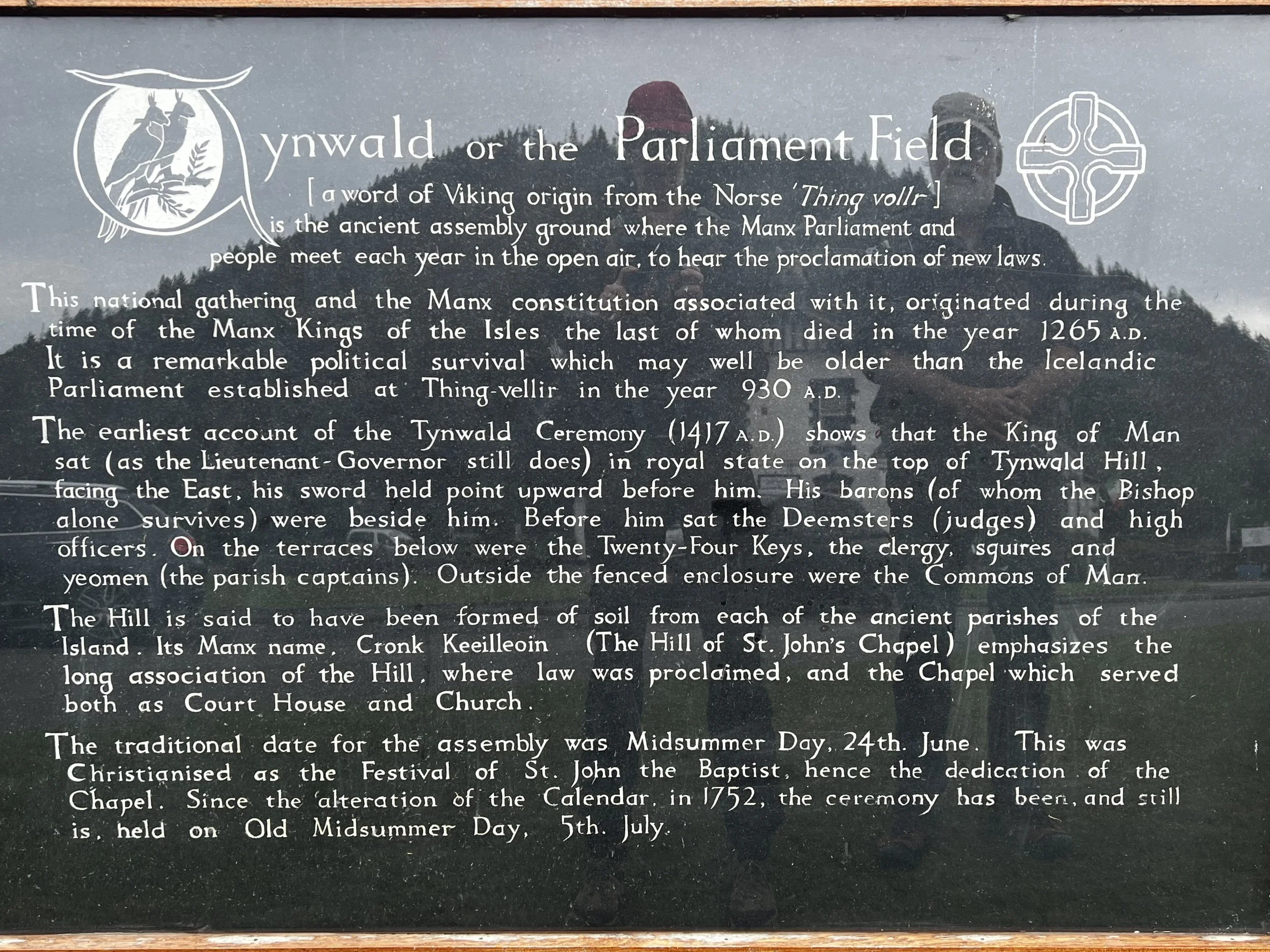
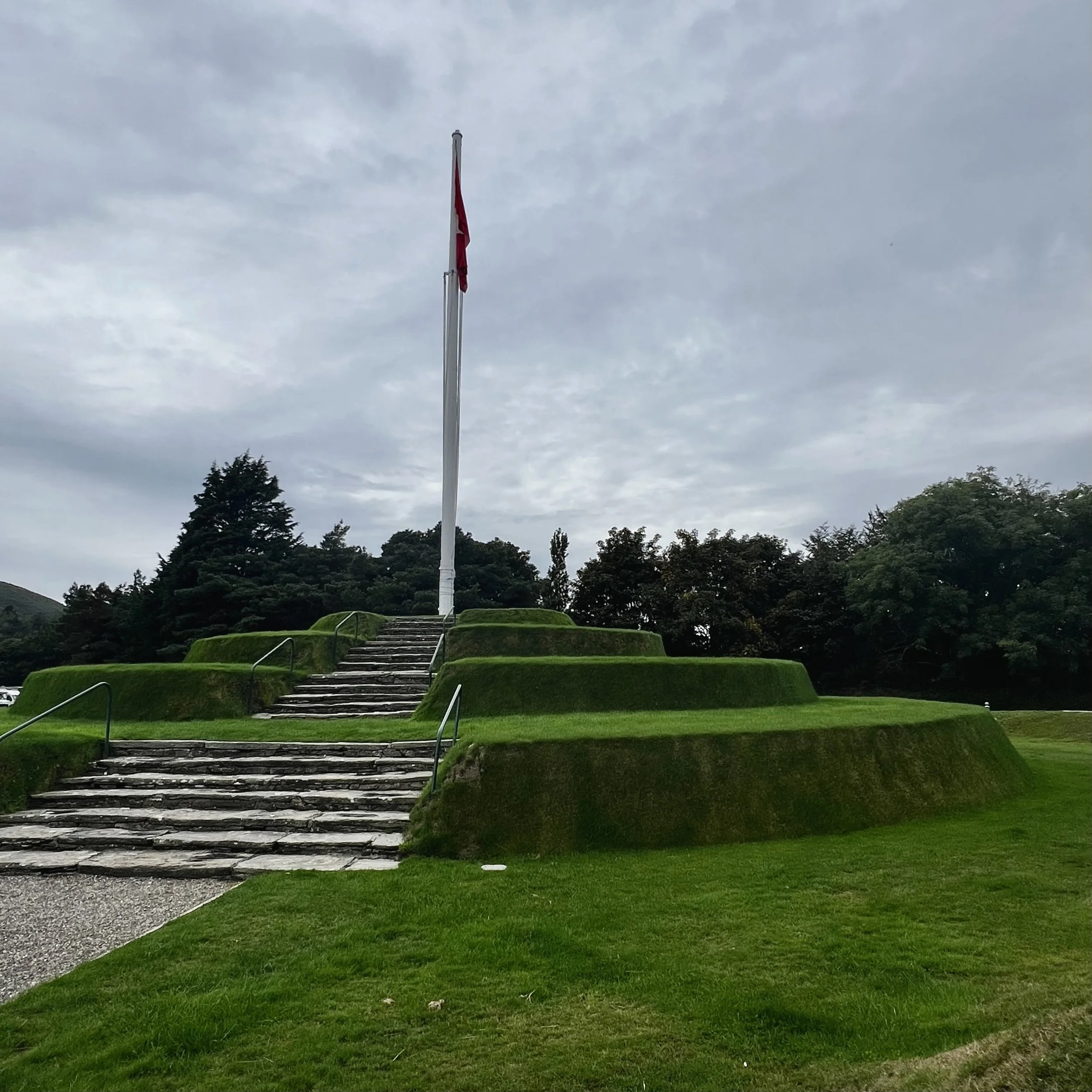
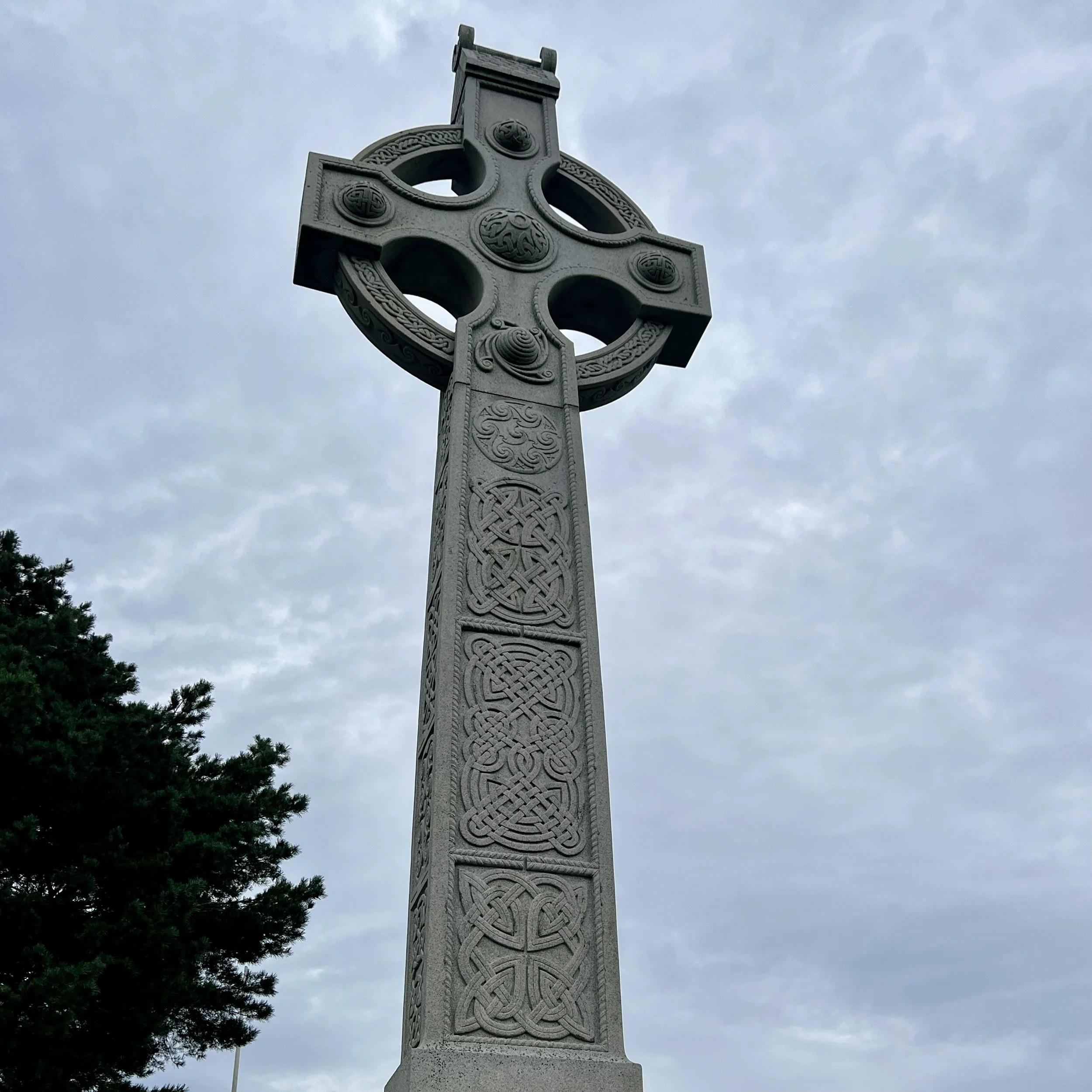
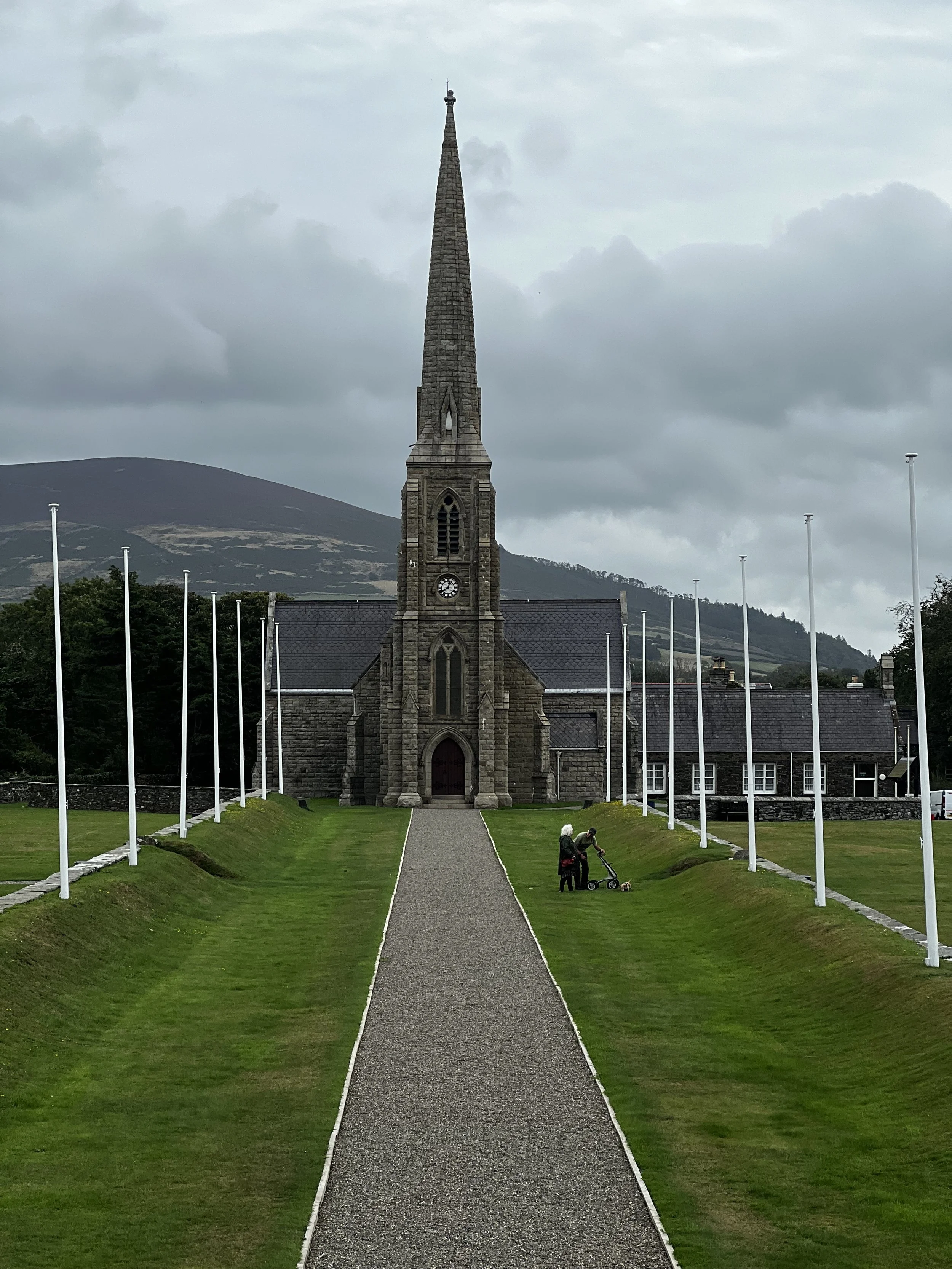
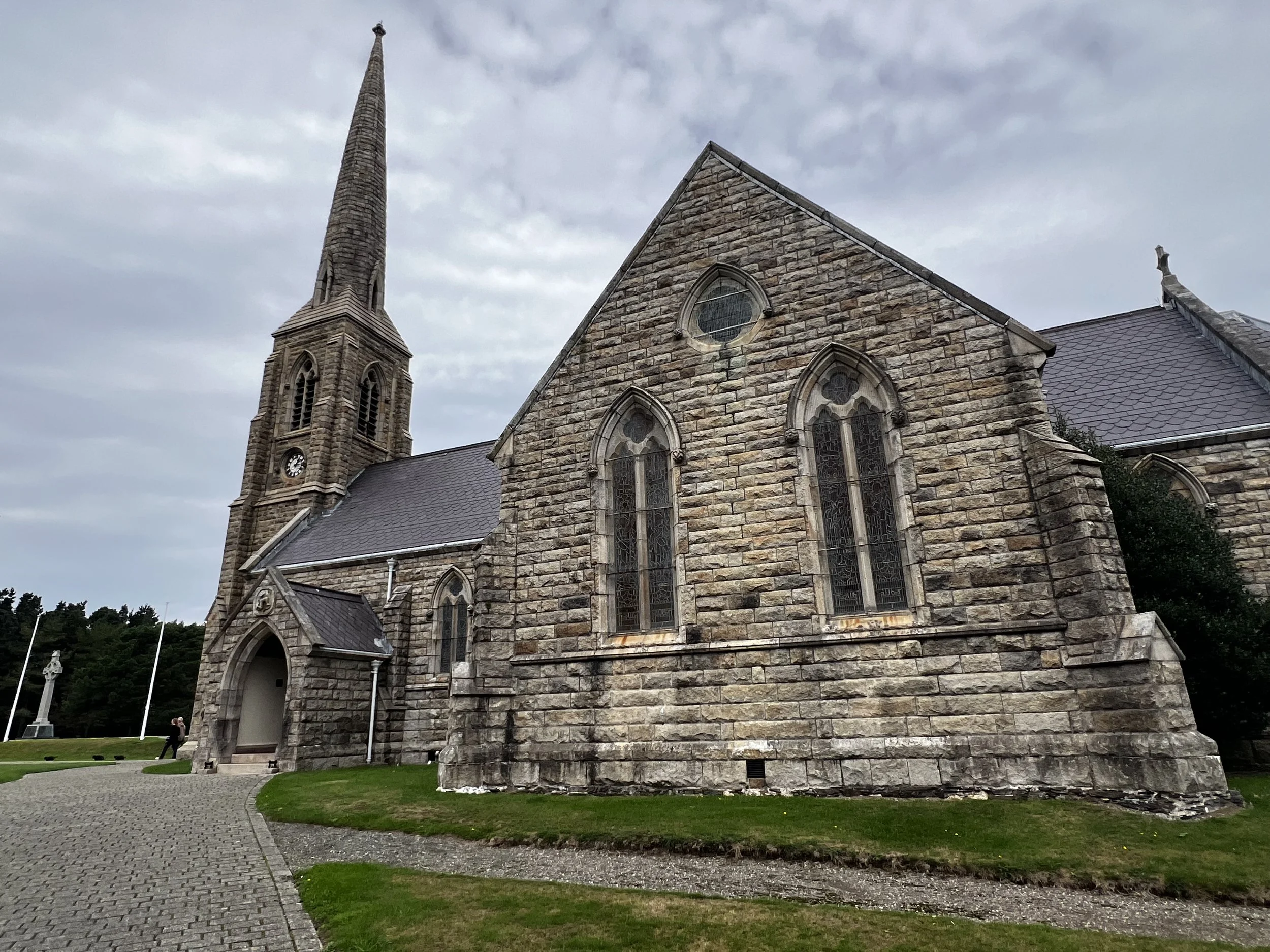
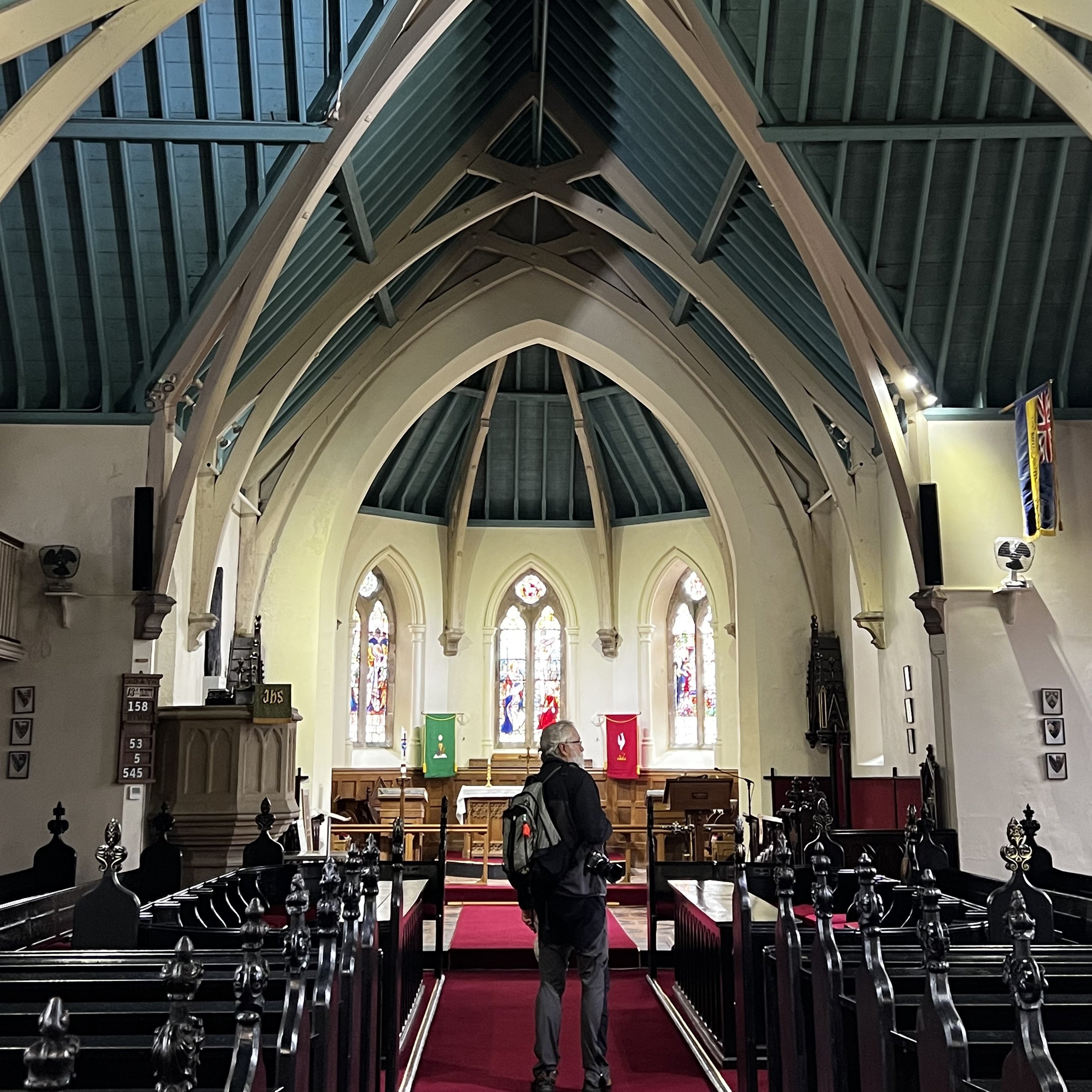
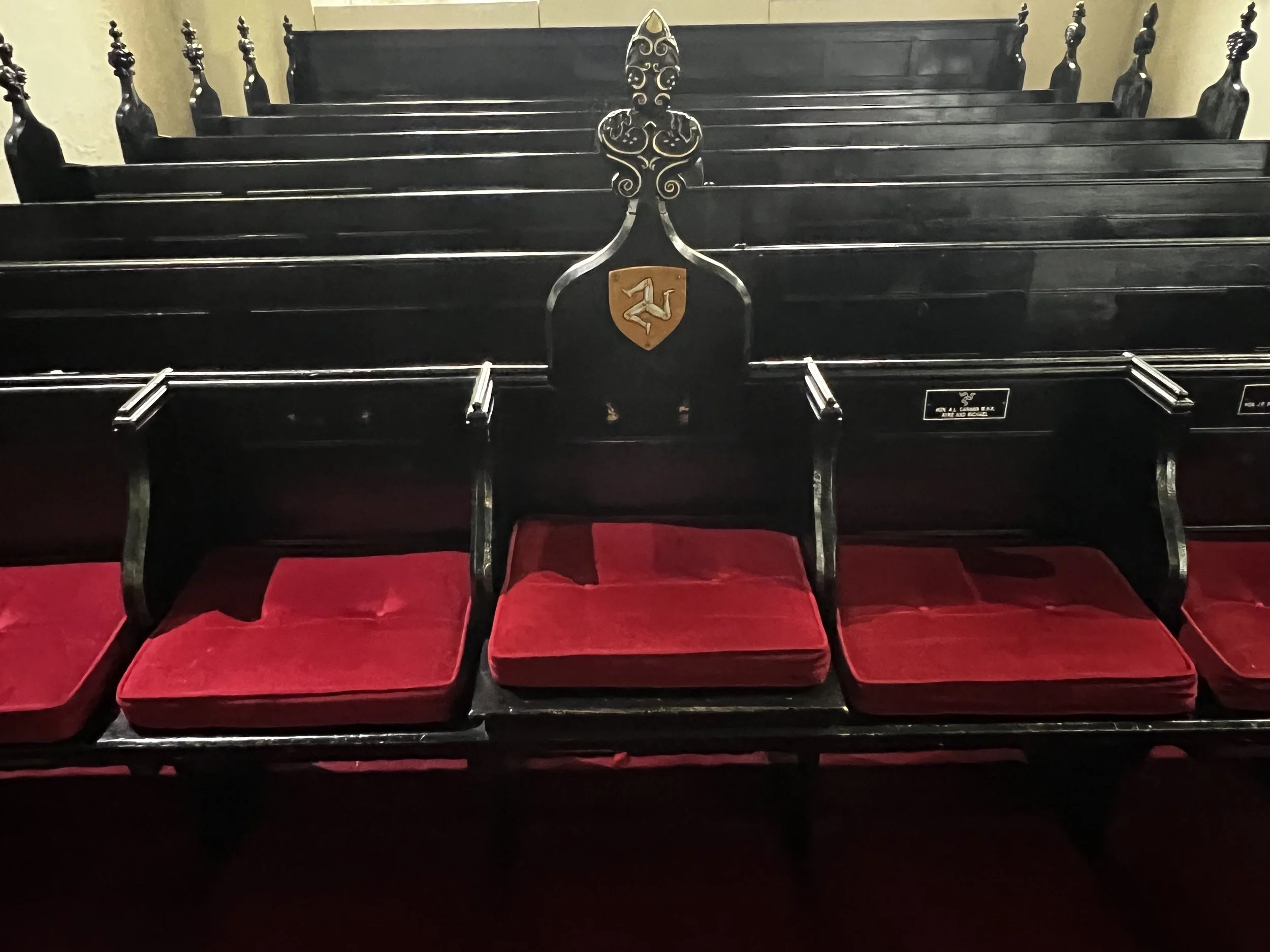
From the ceremonial mound here is a path leading to the church, which doubles as ceremonial hall with official seats of honor for the Tynwald event every July 5th. Having educated ourselves about the Manx government it was time to learn more about other aspects of the Isle of Man.
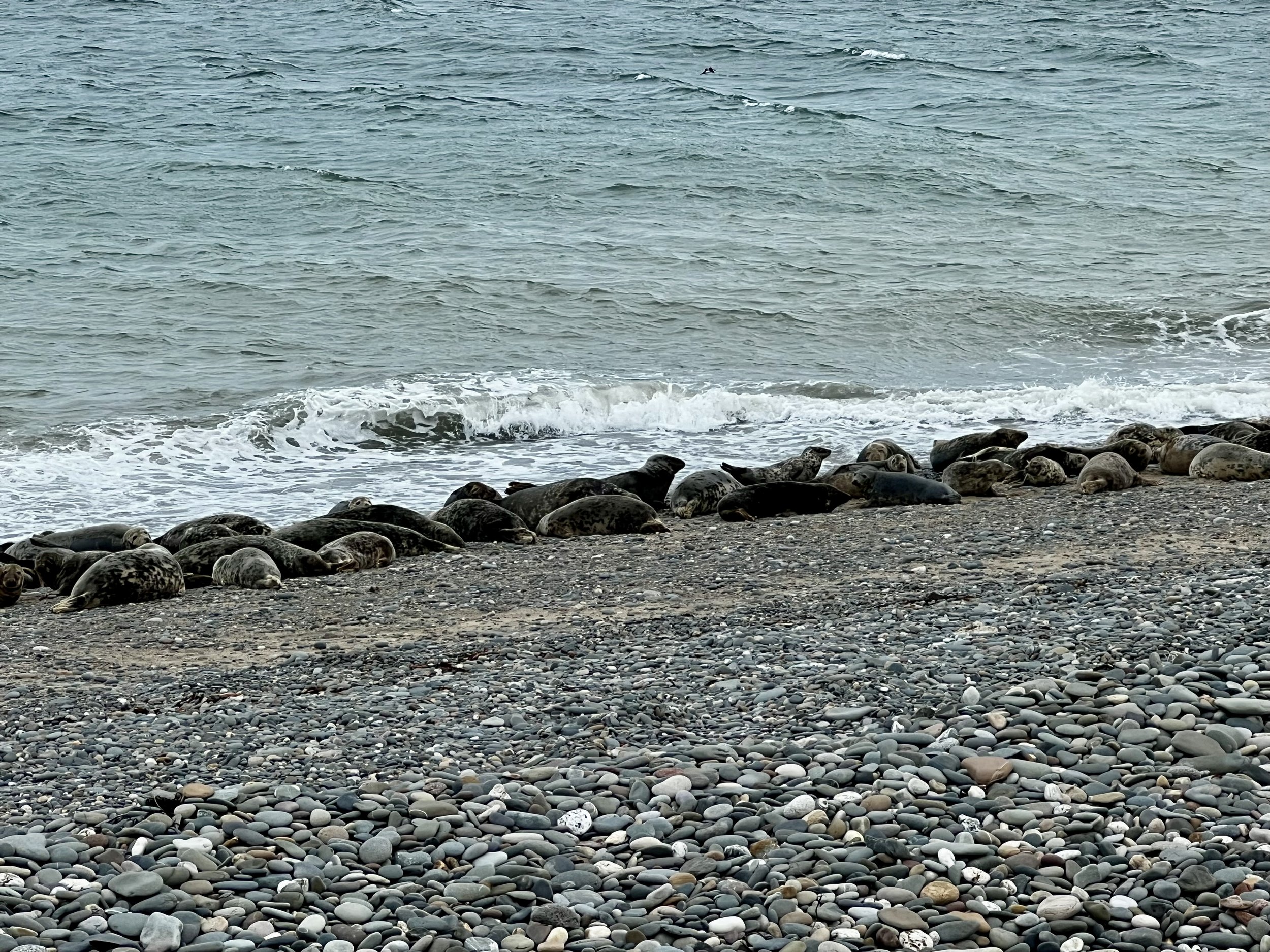
We met Fiona and Terry, fellow sailors who were kind enough to take us all over the island in their car for a couple of days. We visited the very north of the island with the flat and stony beaches, complete with a healthy colony of seals.
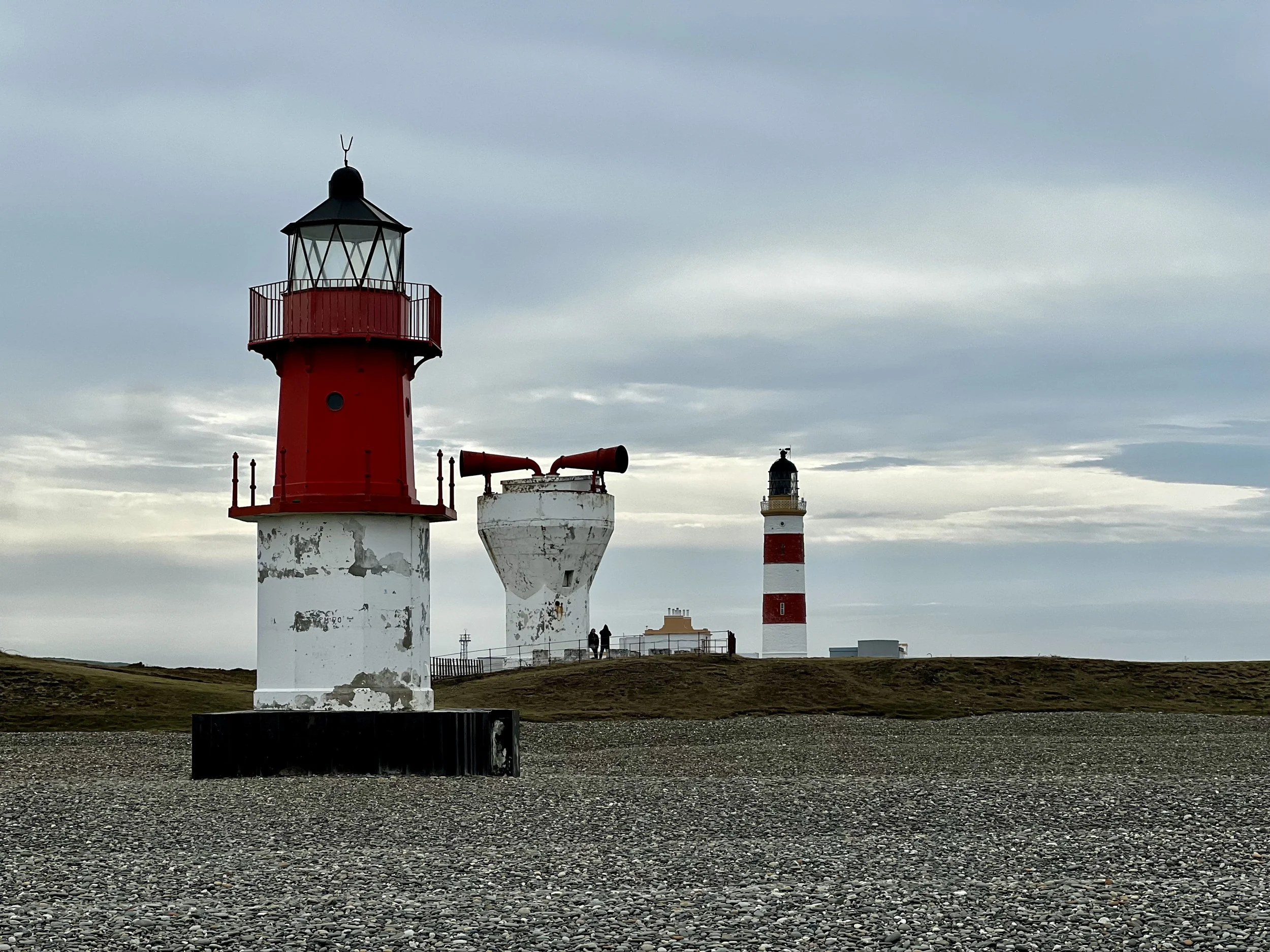
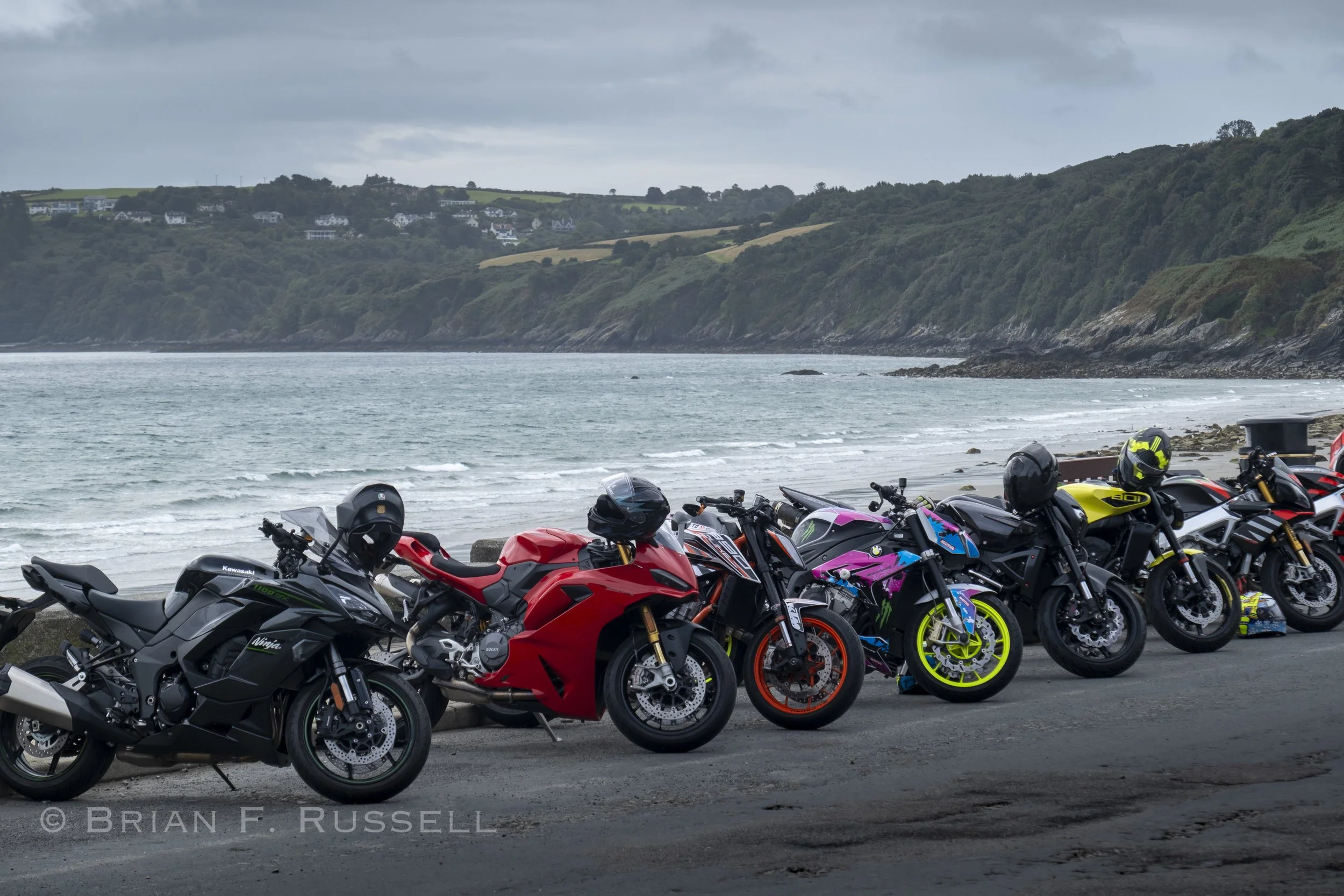
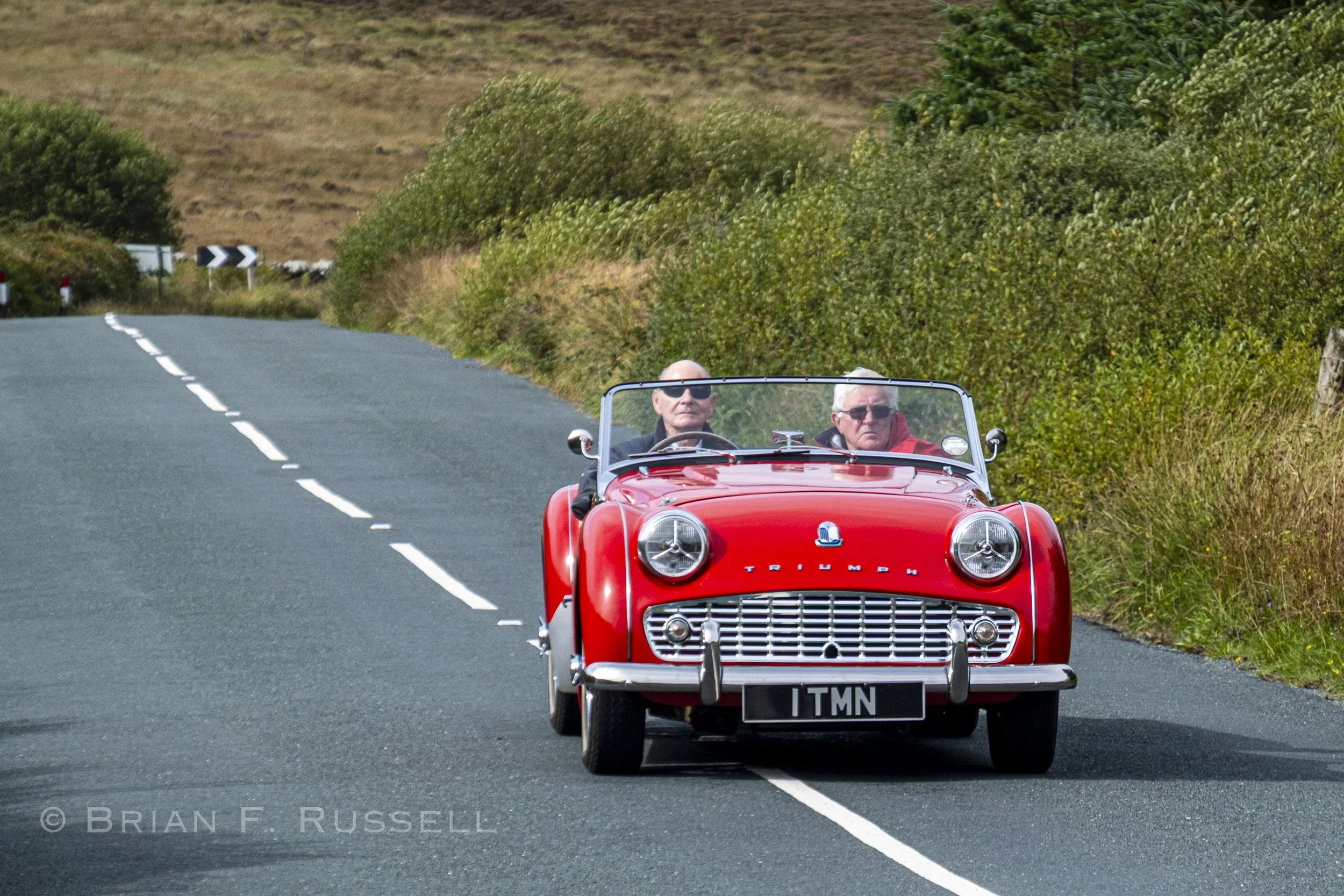
We drove around parts of the TT race course, just regular commercial (and frequently narrow) roads where the racers apparently can reach AVERAGE speeds of 136mph for the 37 mile long course and over 200mph on the straightaways. Dangerous and terrifying for participants and spectators alike. Unfortunately there are injuries and occasional fatalities almost every year. When the races are not on, motor-bike and classic car enthusiasts come to enjoy driving on these roads. There are no speed limits on much of the Isle of Man.
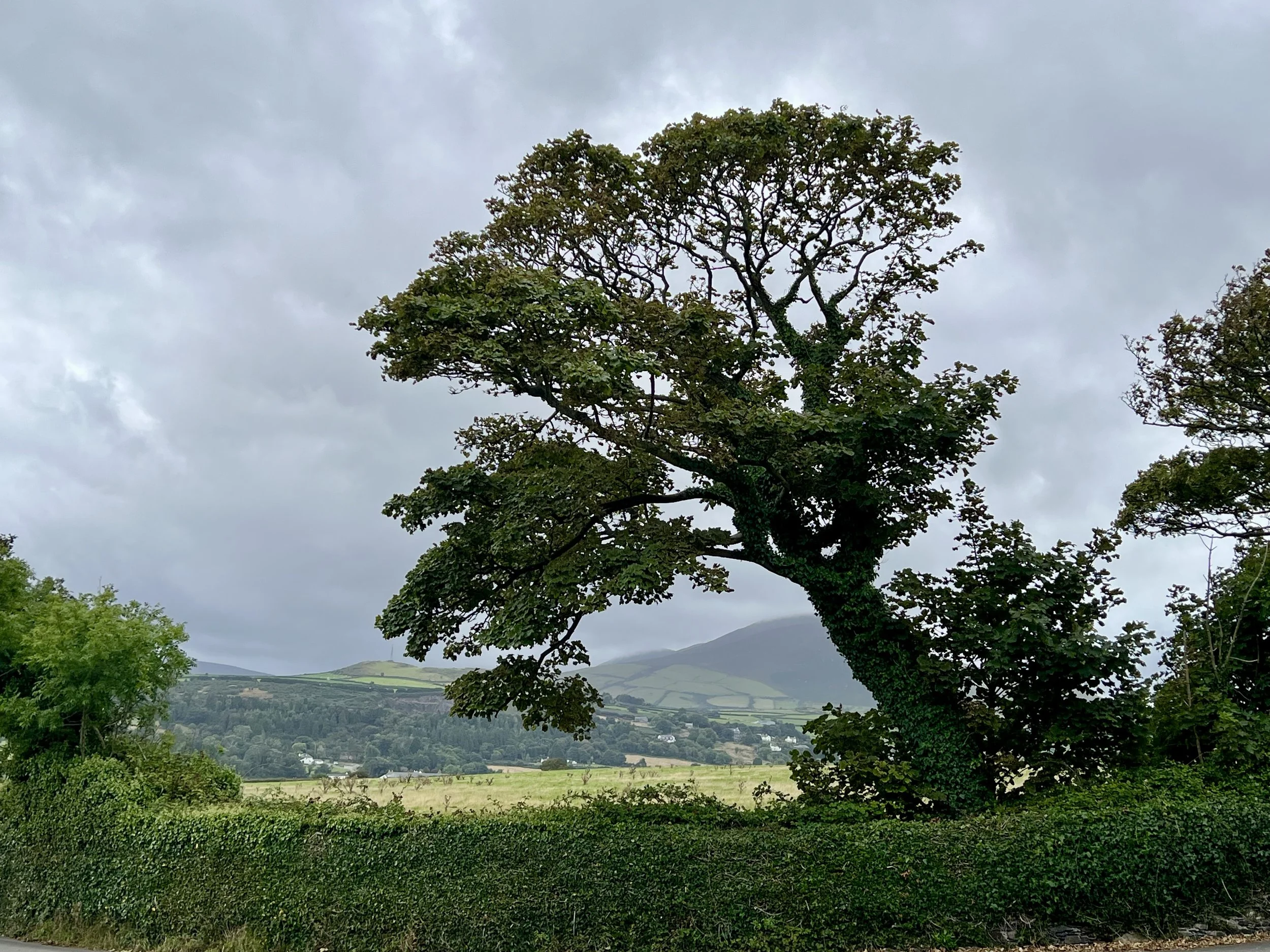
We got good views of the mountain of Snaefell, which rises in the center and the wind sculpted trees, a testament to the vicious winds that rack the island in the winter months.
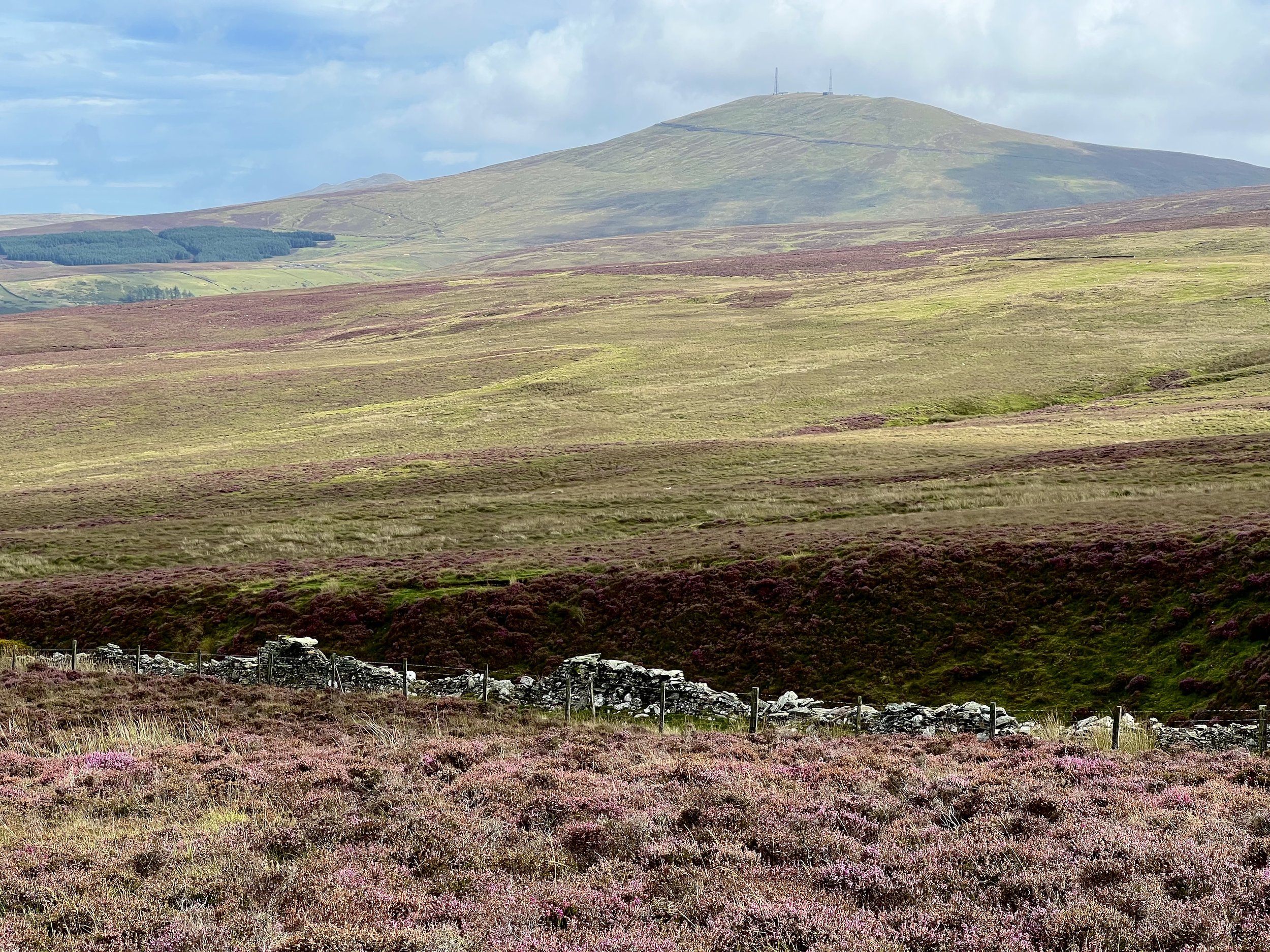
Snaefell and the heather clad moorland like interior.
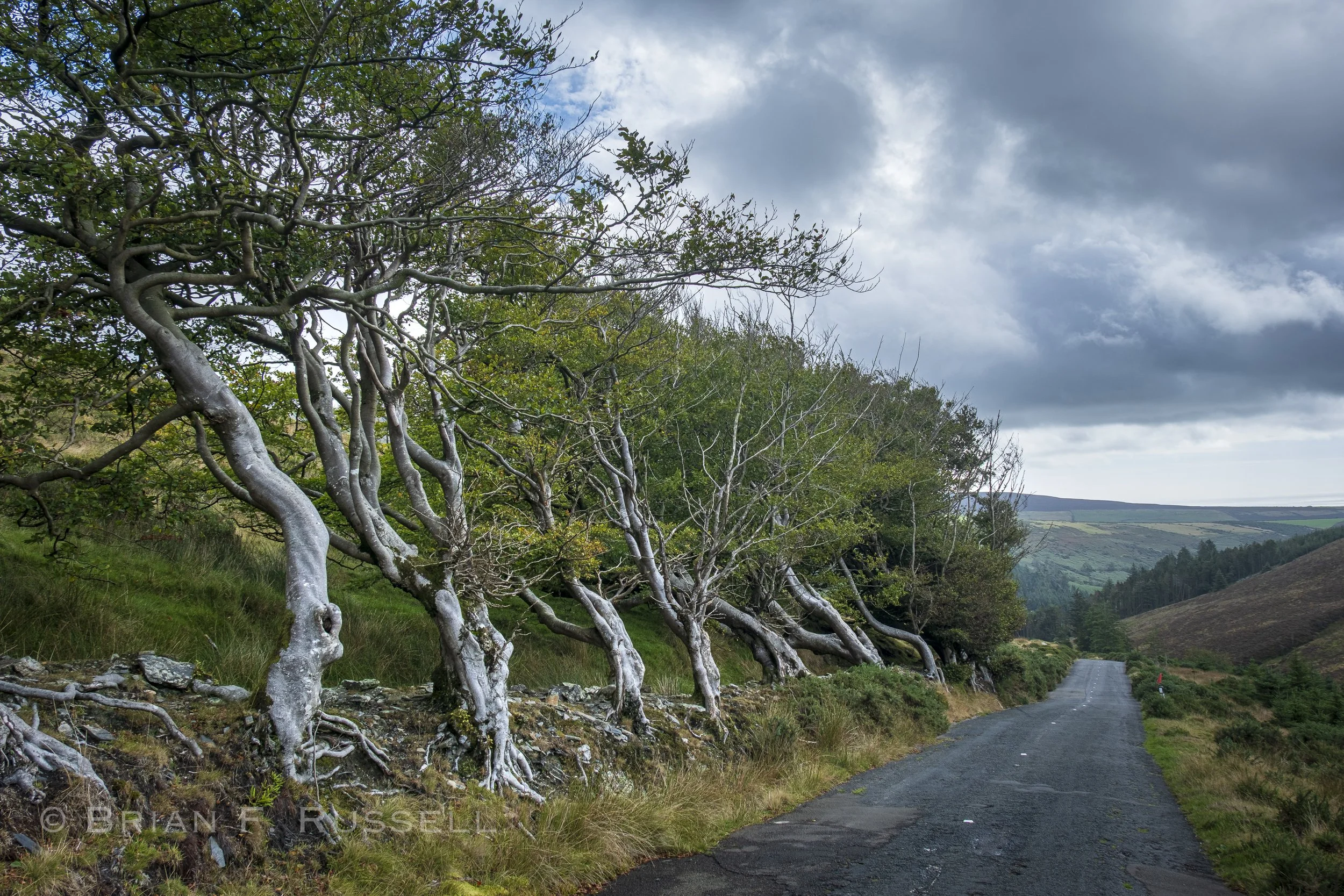
Trees sculpted by the winds.
The southern and western part of the island had dramatic cliffs and some lovely quaint buildings. The old church with a Queen Victorian era mailbox in its wall.
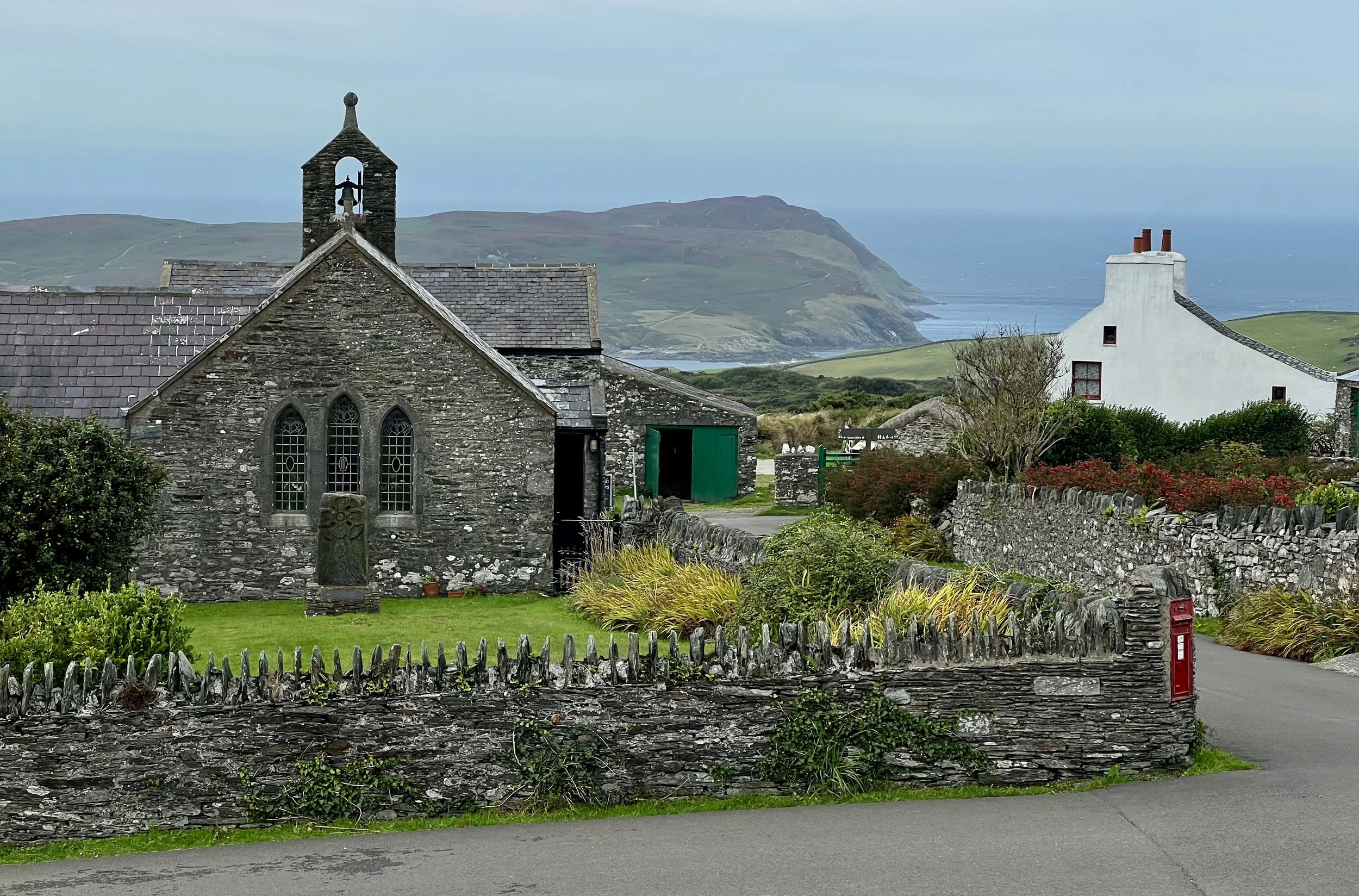
St Peter’s Church, Cregneash, Isle of Man.
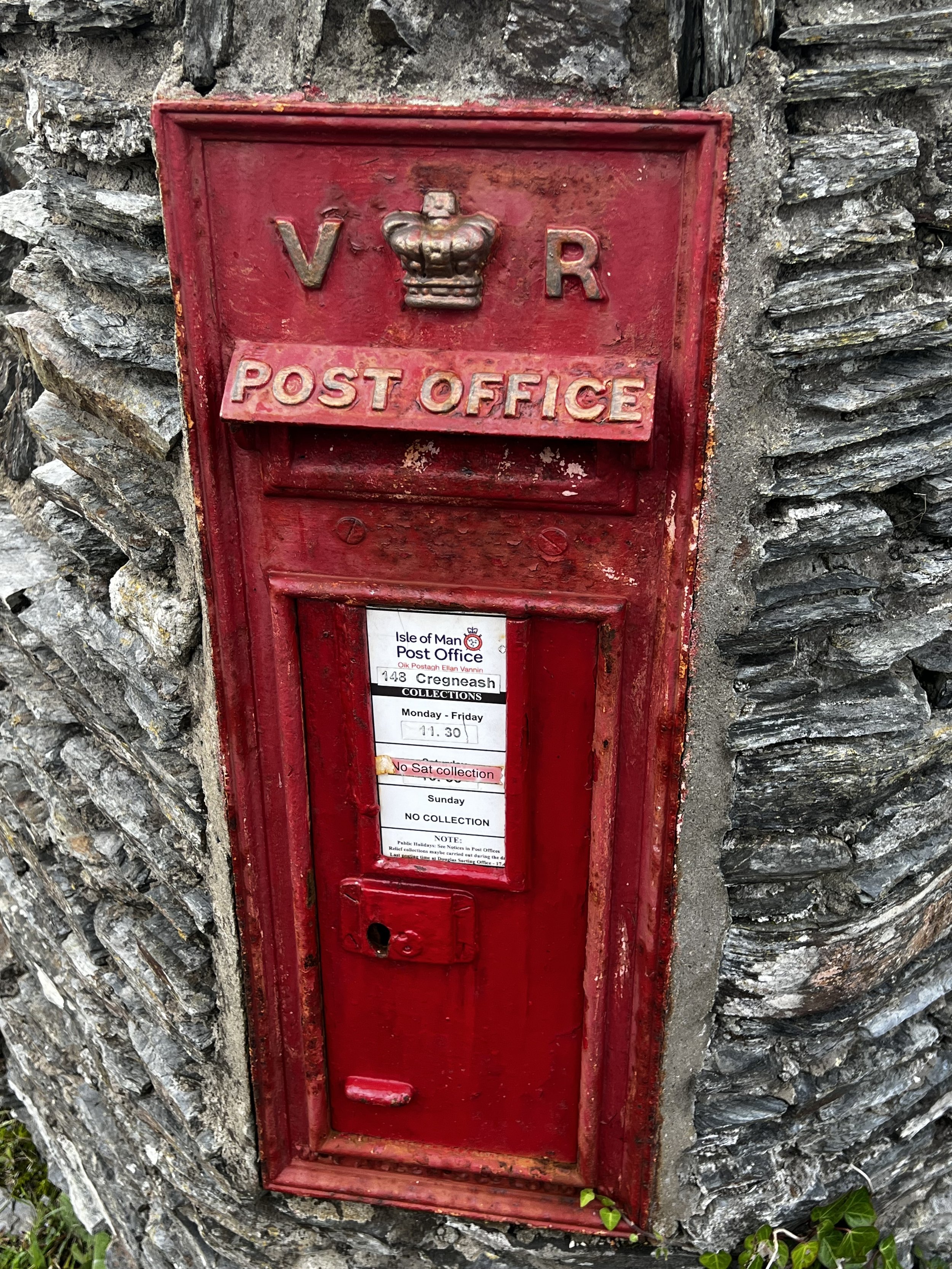
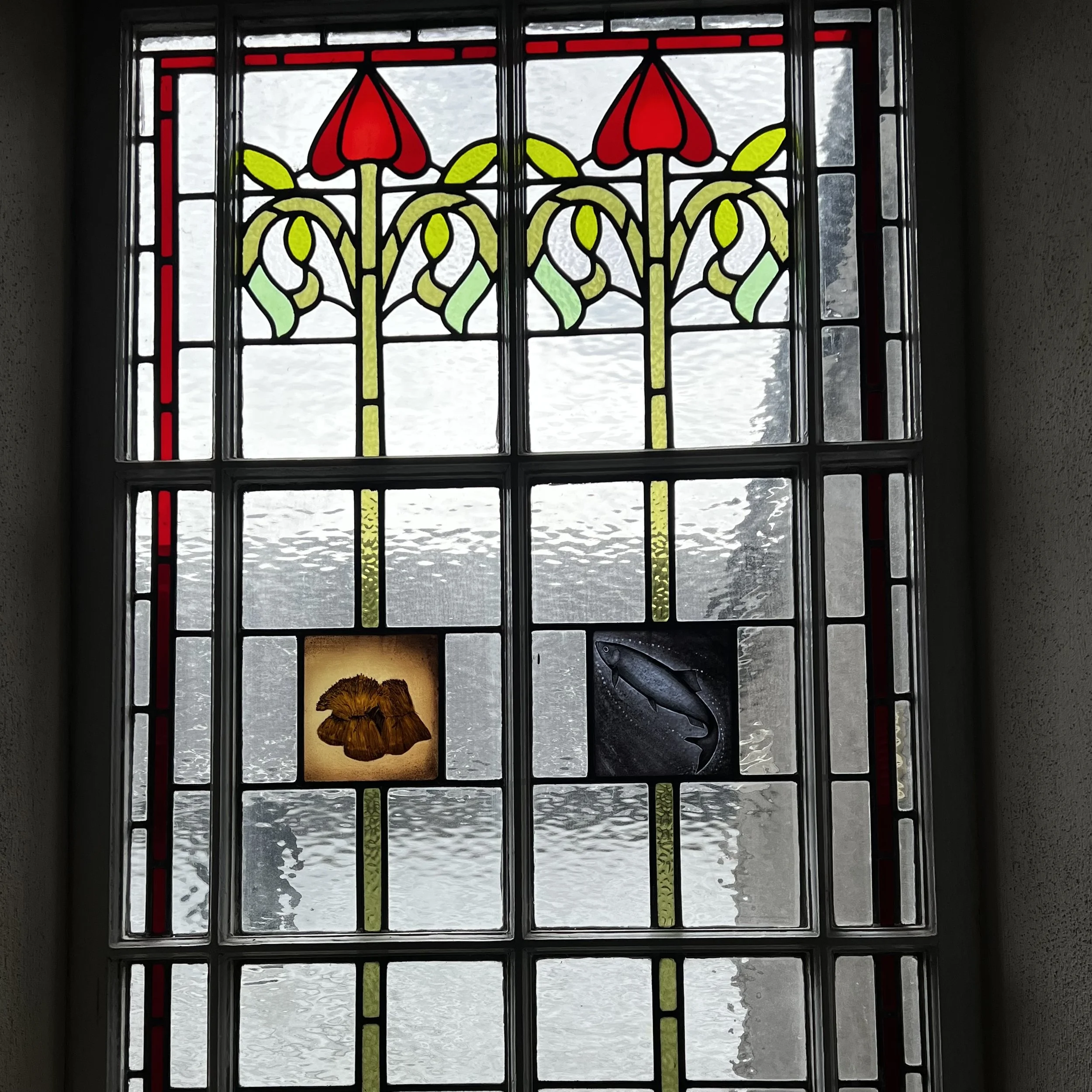
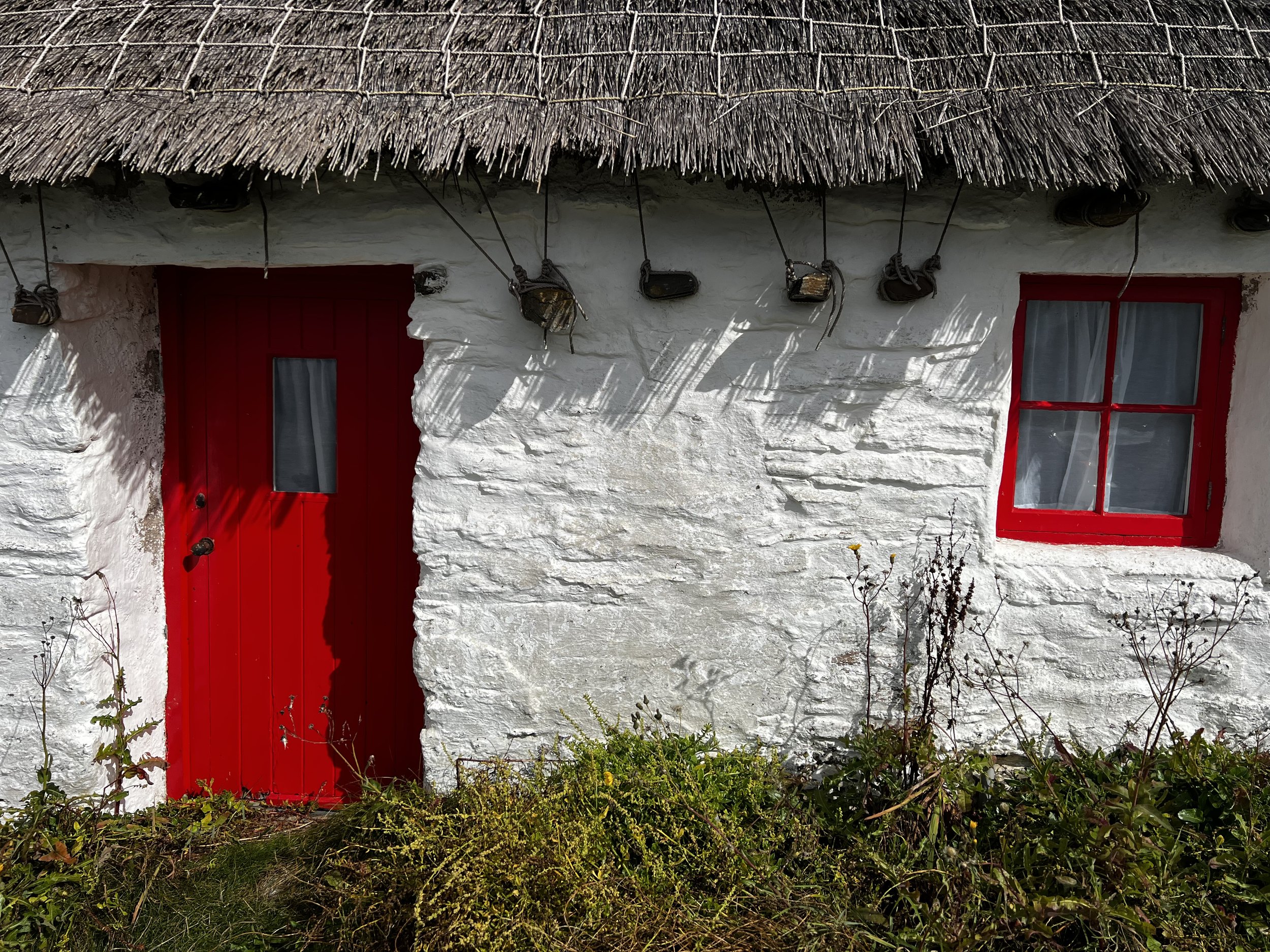
The fisherman’s cottage with thatch roof held down by ropes to pegs in the wall.
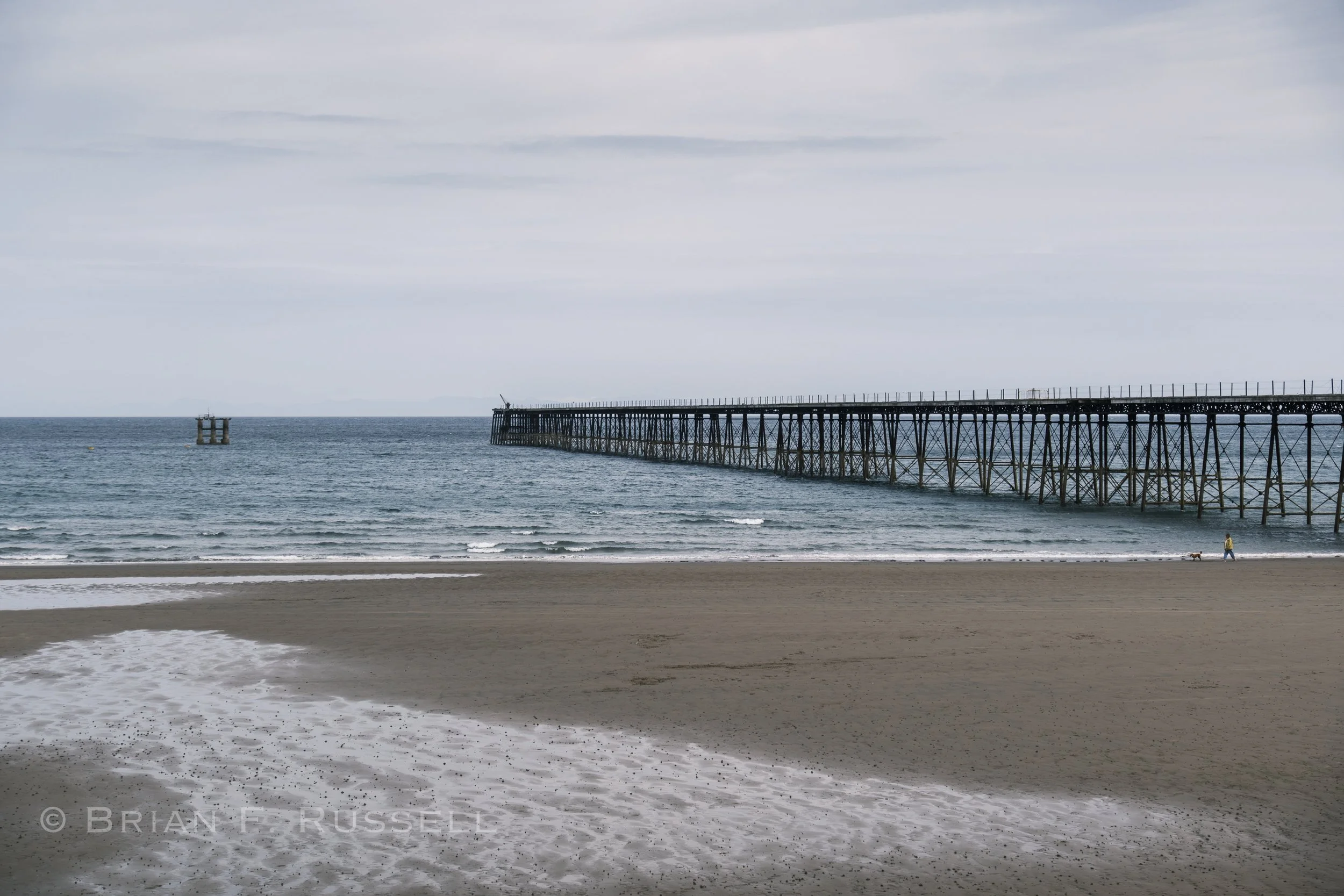
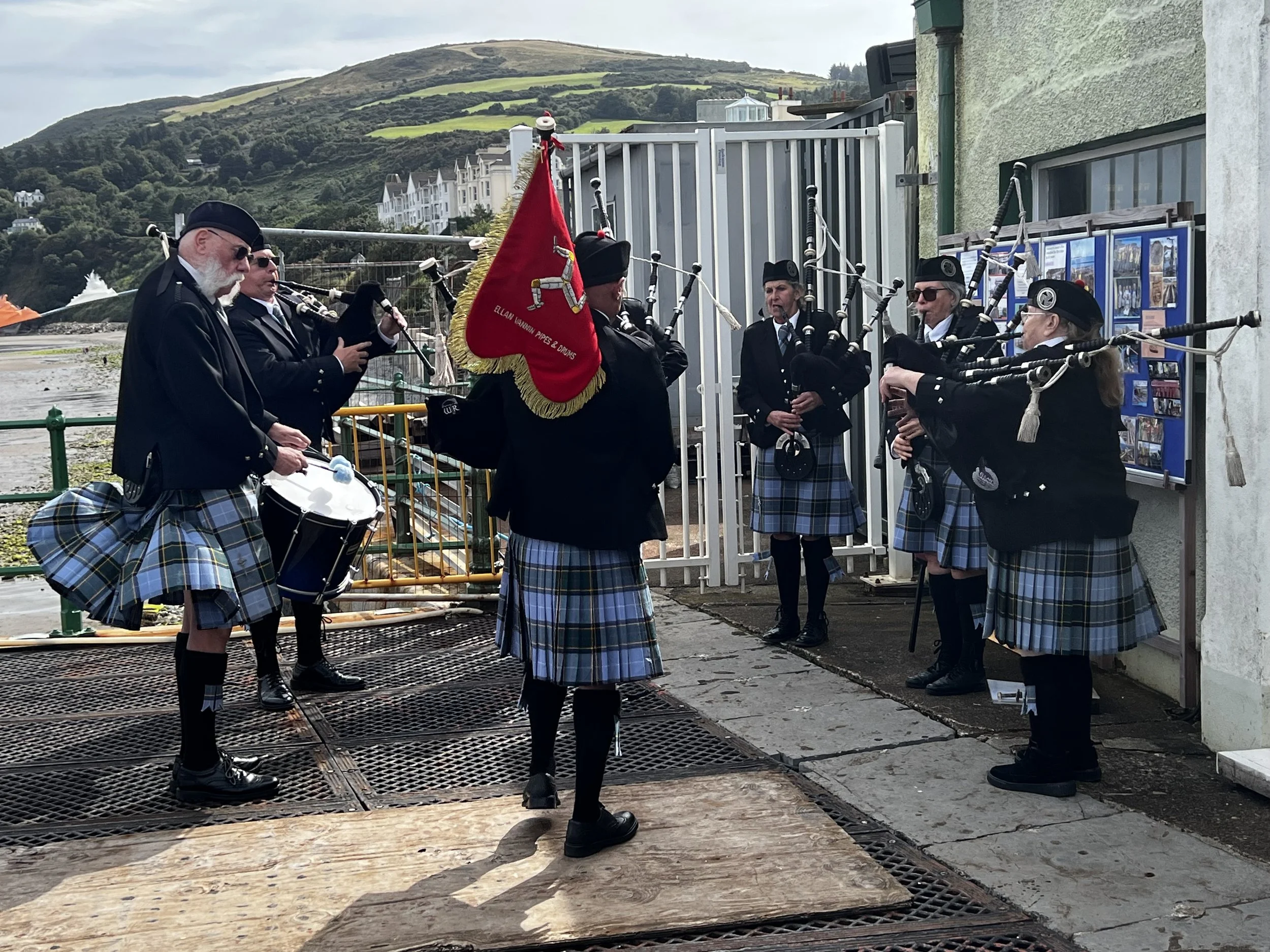
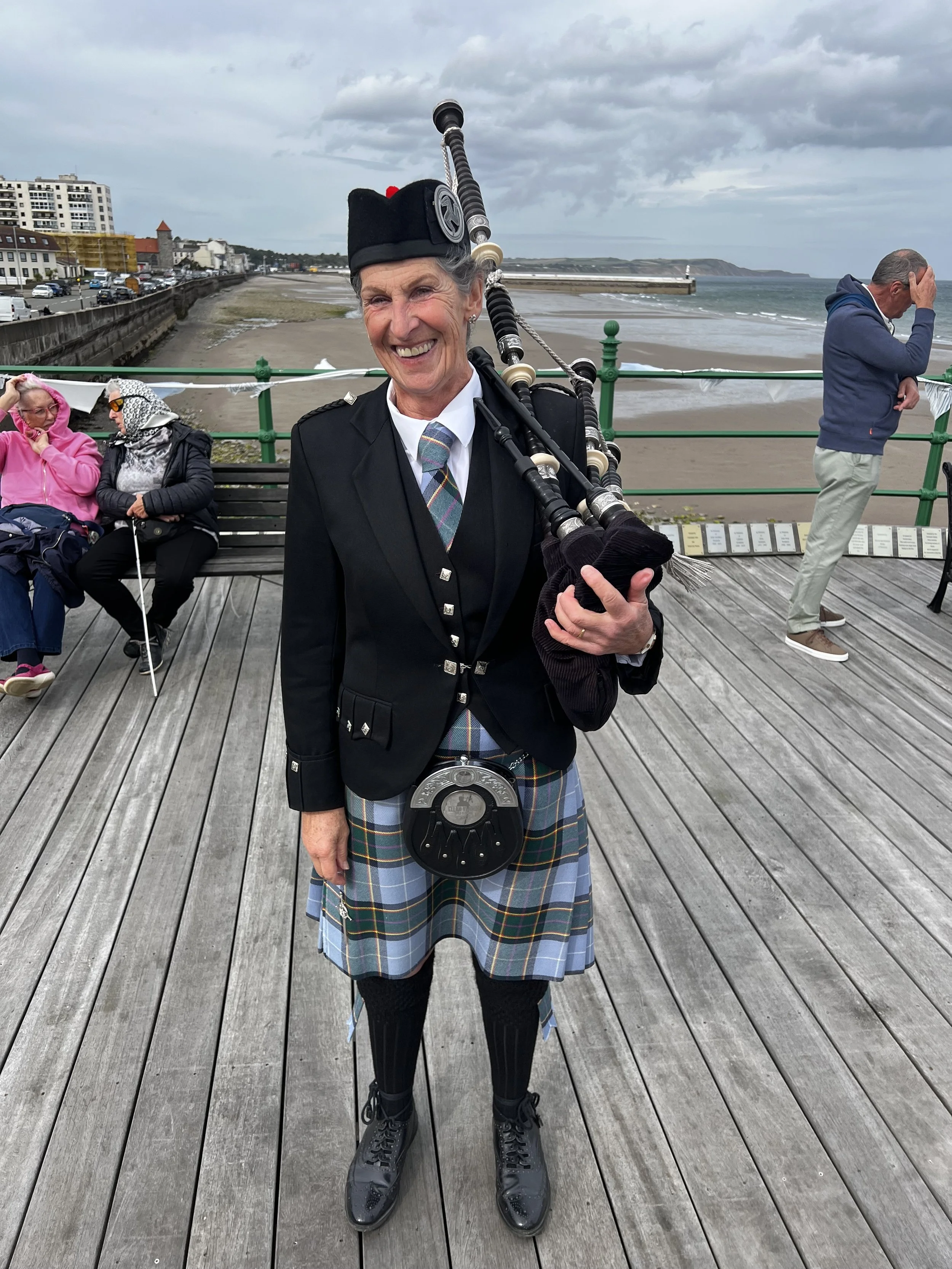
In Ramsey we visited the Queens Pier, a 2241 ft long Victorian pier that is being renovated section by section by local volunteers and private donations. As part of the fundraising effort Fiona was performing with her bagpipe group on the pier. The windy conditions made kilt wearing a risky endeavor.
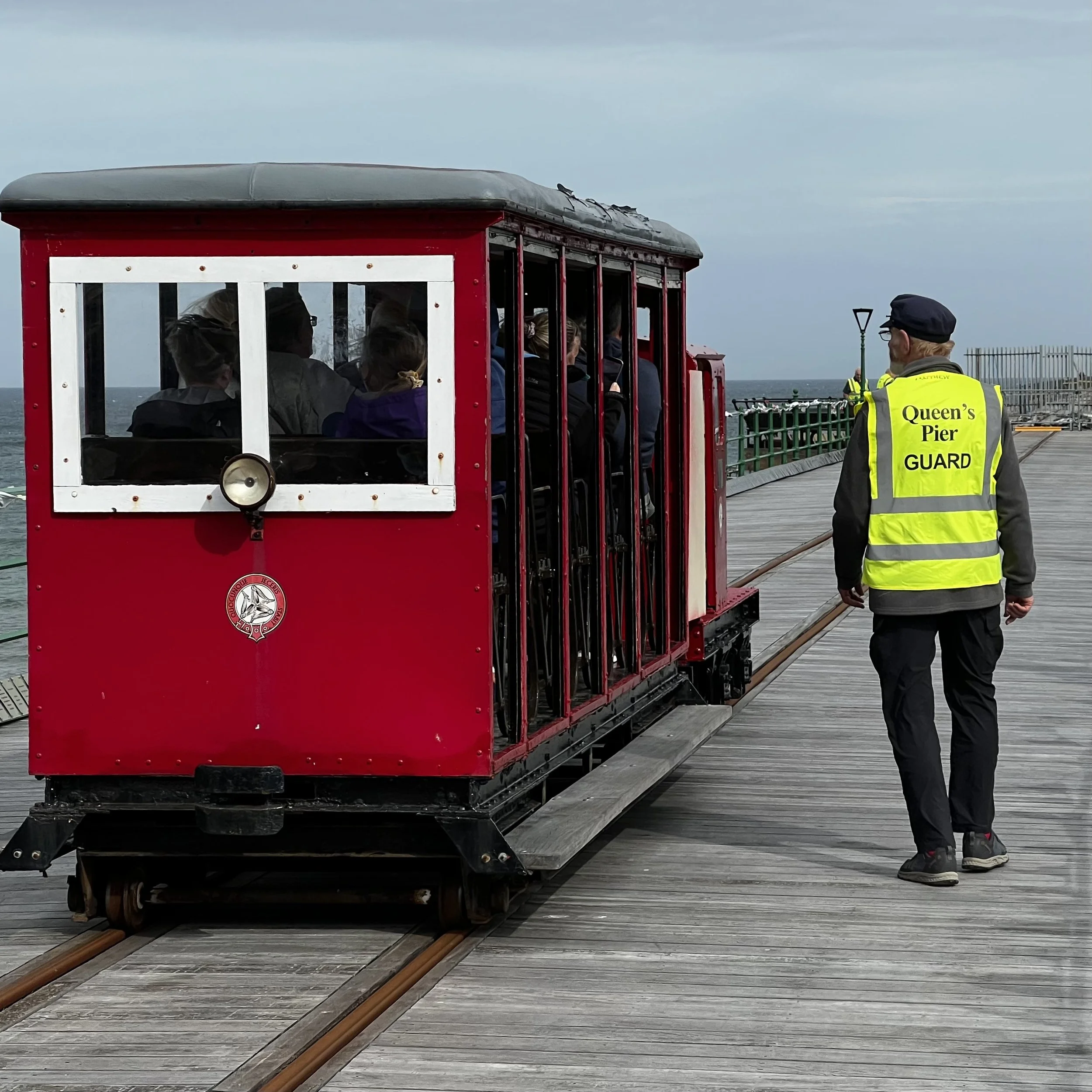
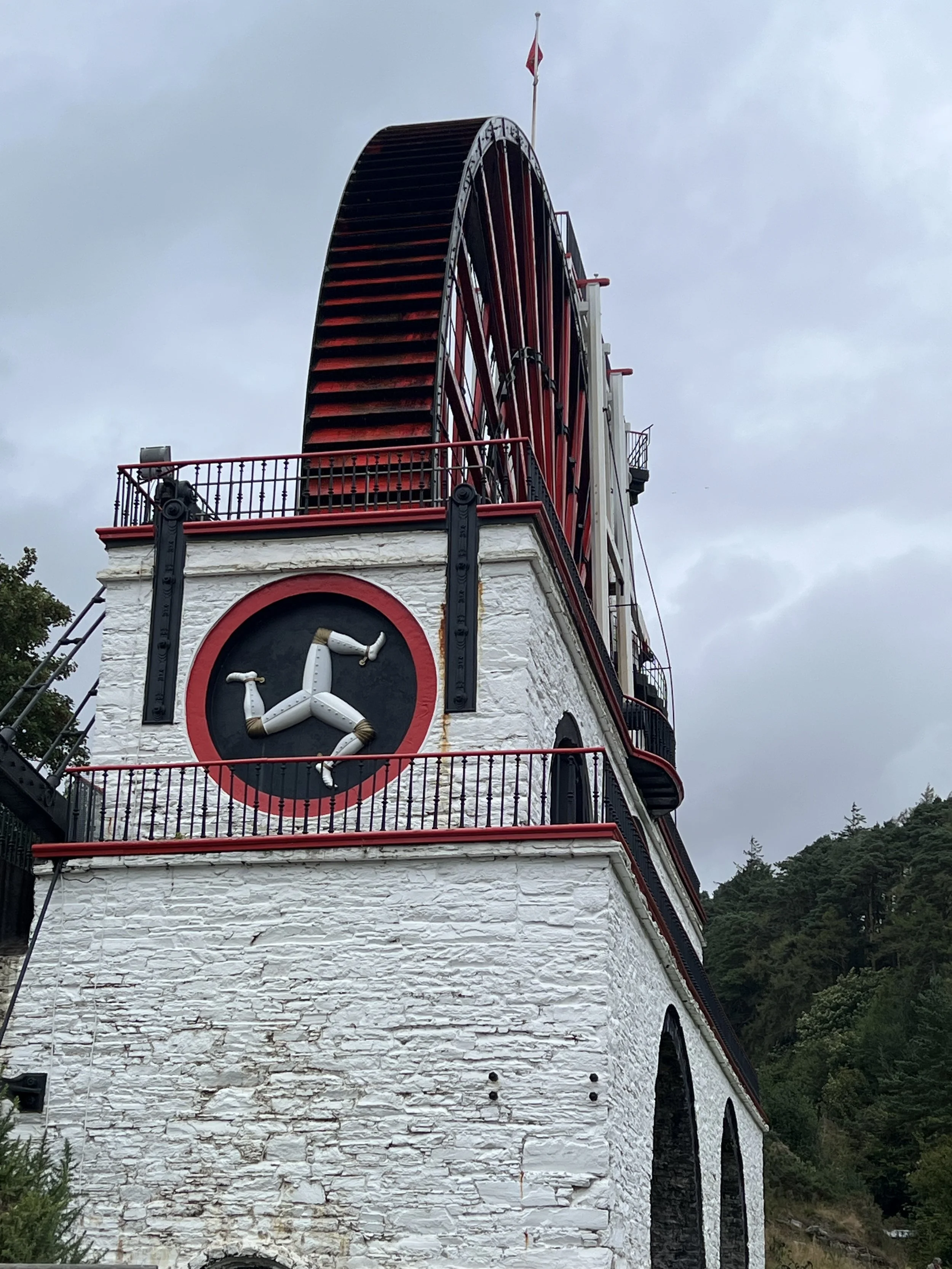
We were taken to see the prehistoric tomb known as King Orry’s grave, Celtic crosses, the Manx electric rail line and the Great Laxey Wheel, a huge water wheel used to pump water out of a mineshaft. Thank you so much Fiona and Terry for showing us your wonderful home. There is no way we could have seen so much without your wheels!
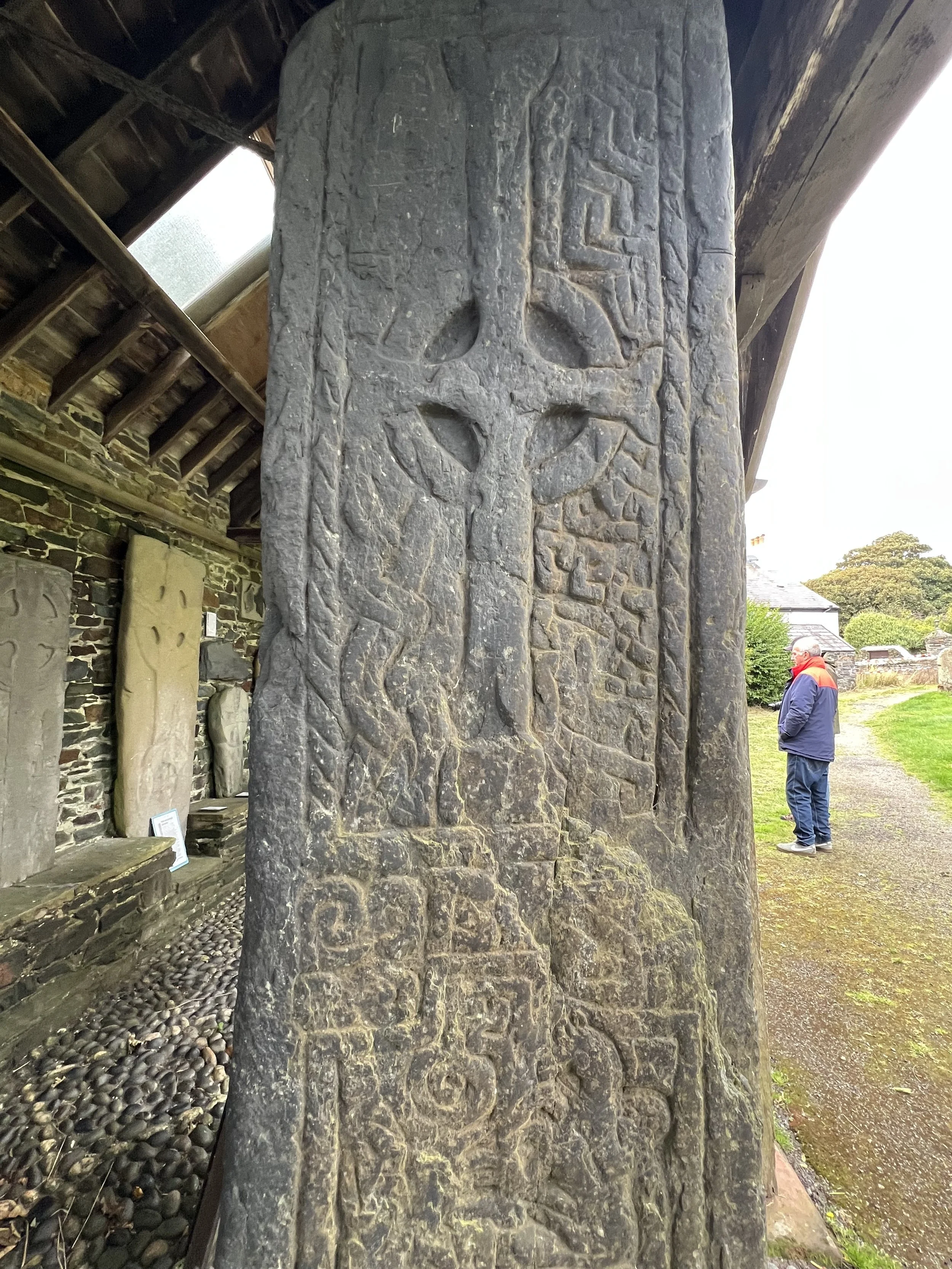
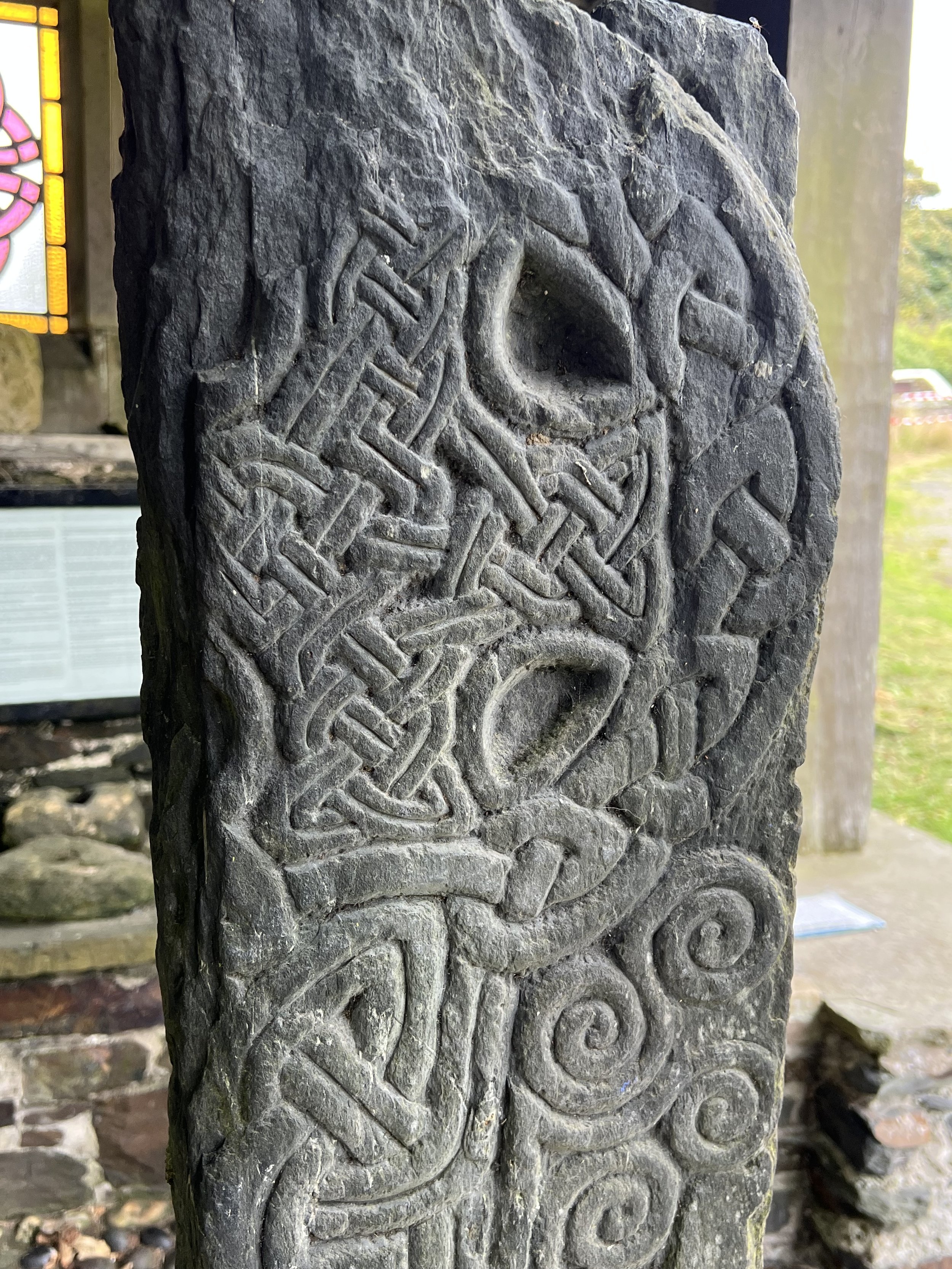
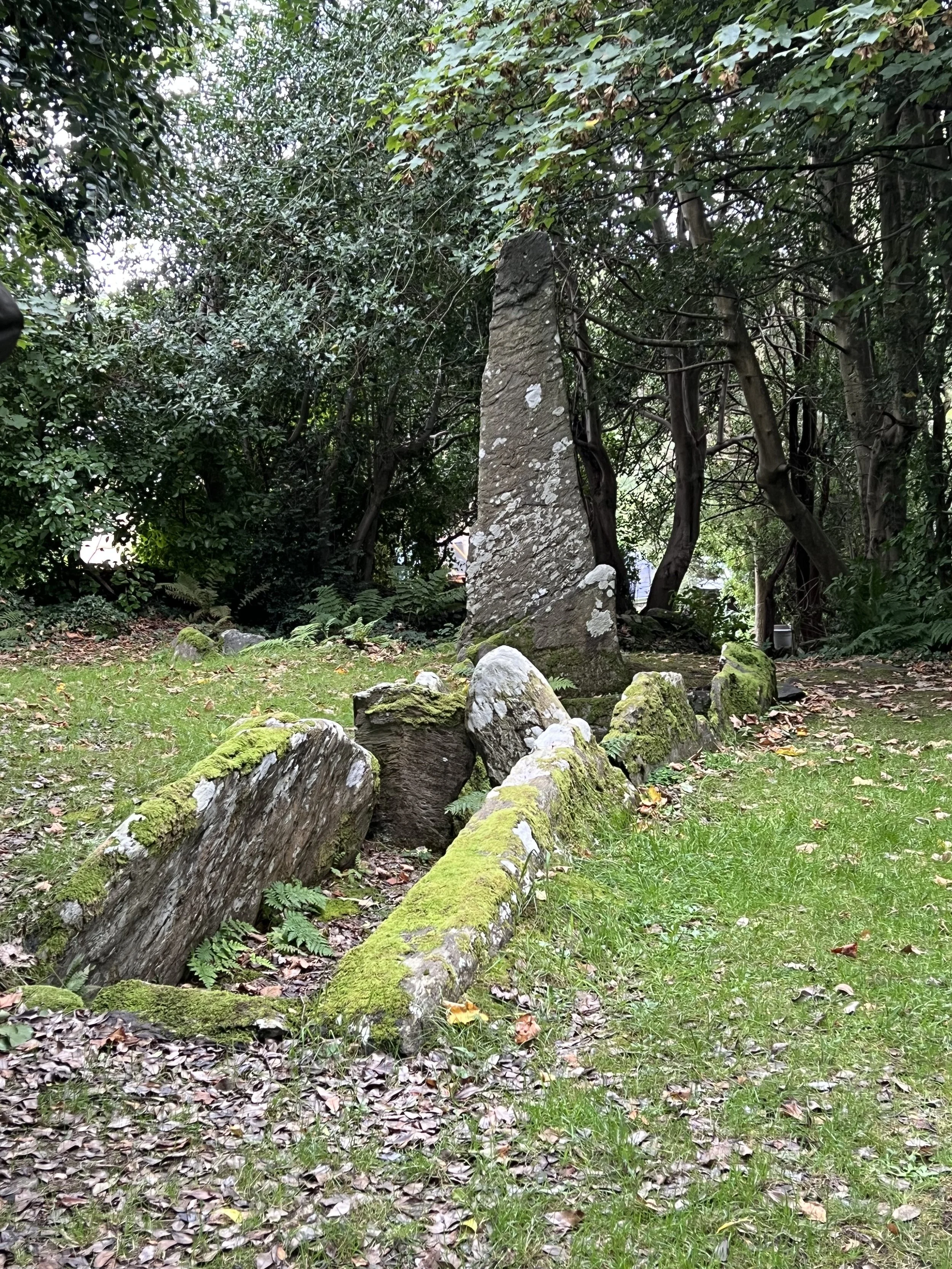
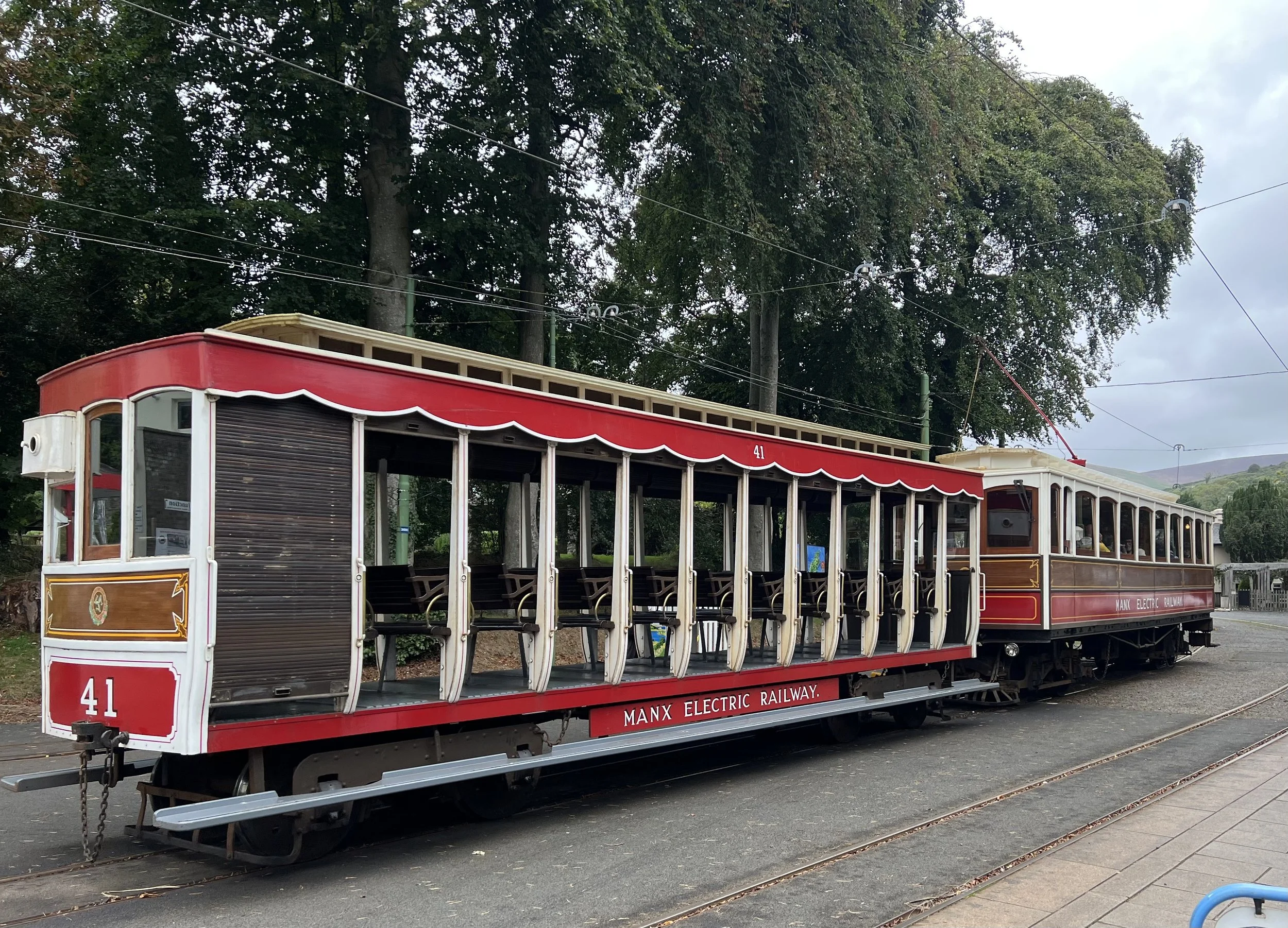
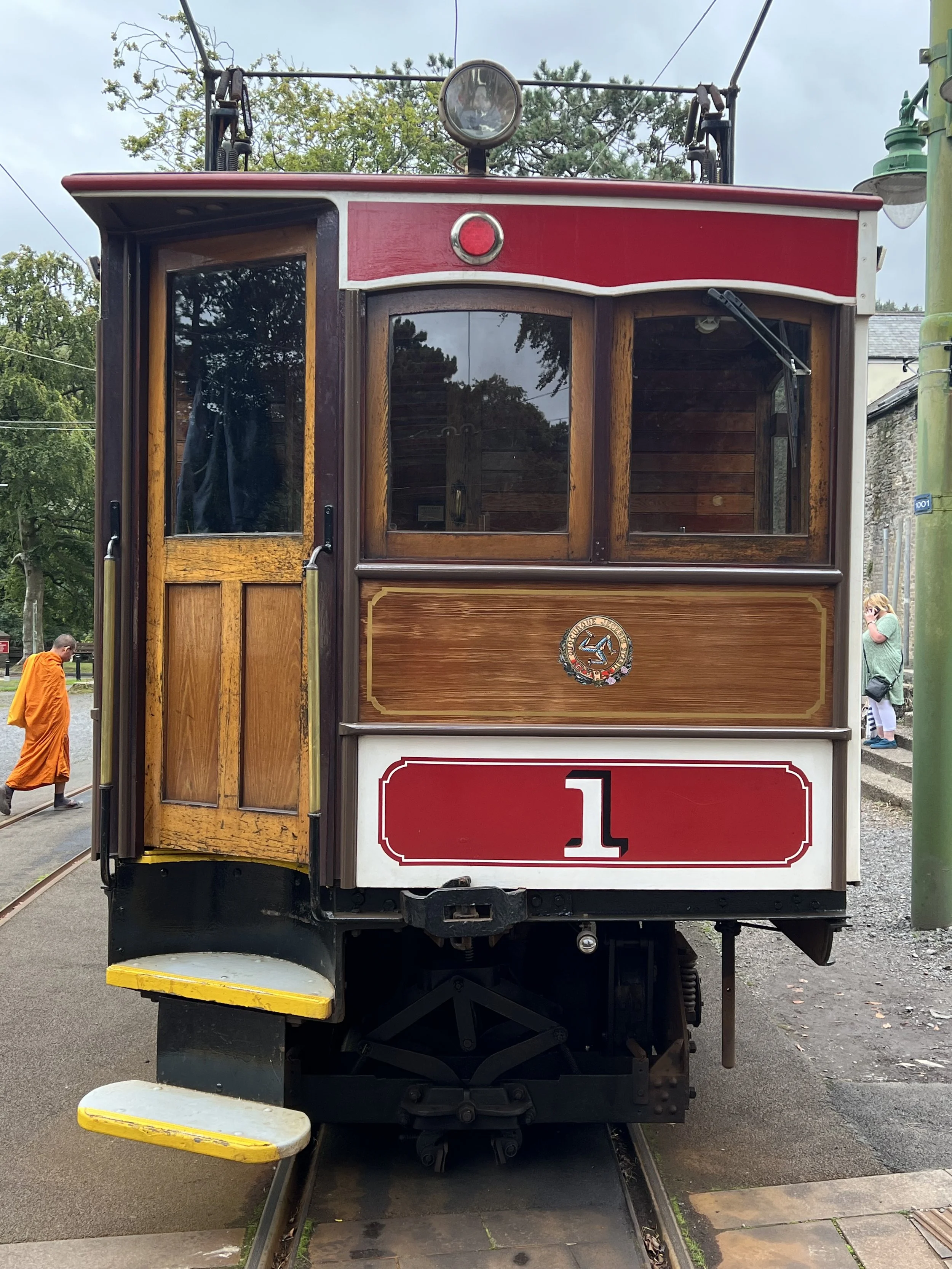
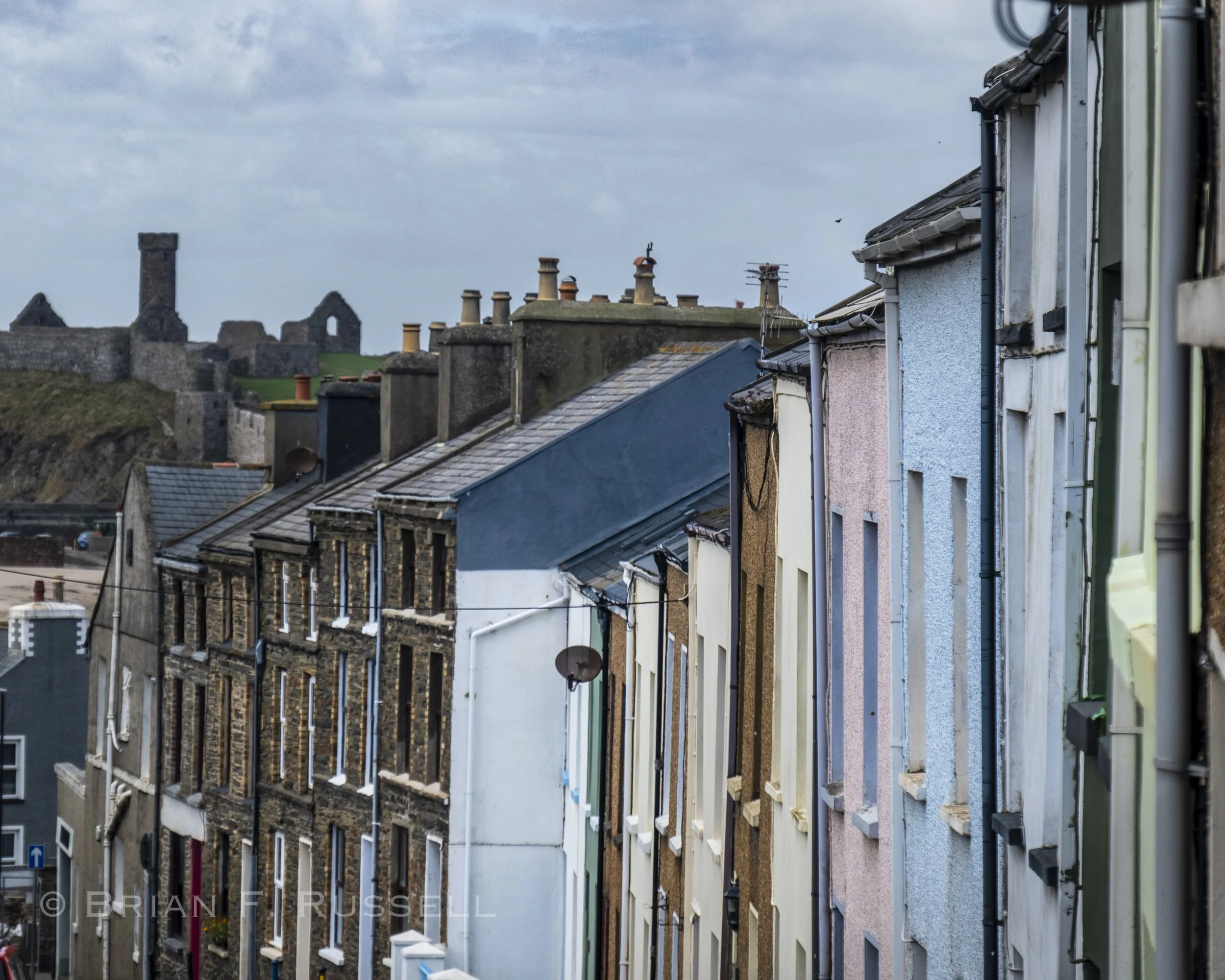
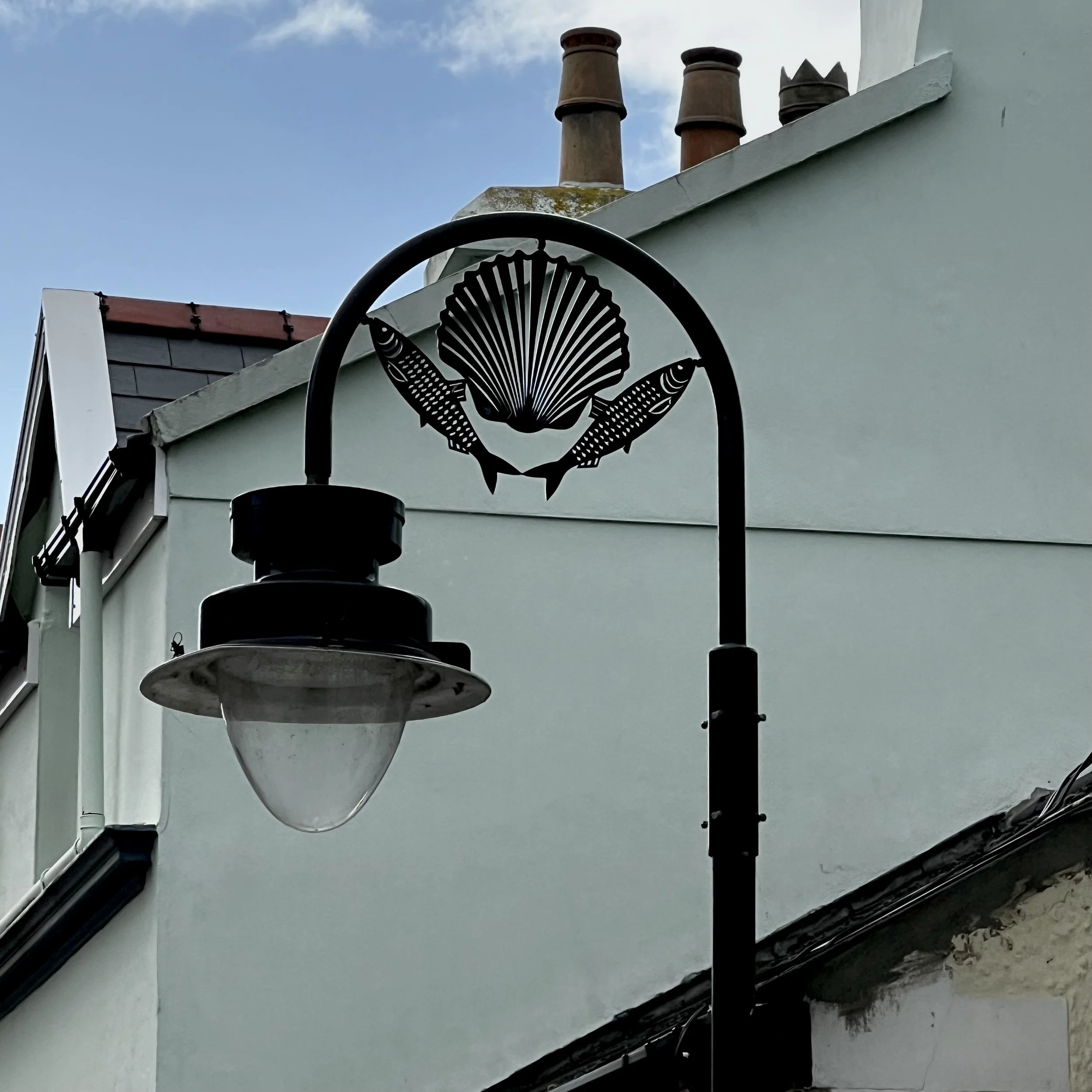
Back in Peel we went for a walk around town. Checked out the small motorcycle museum with a fine collection of old and famous names in motorbikes. Explored the streets and back alleys.
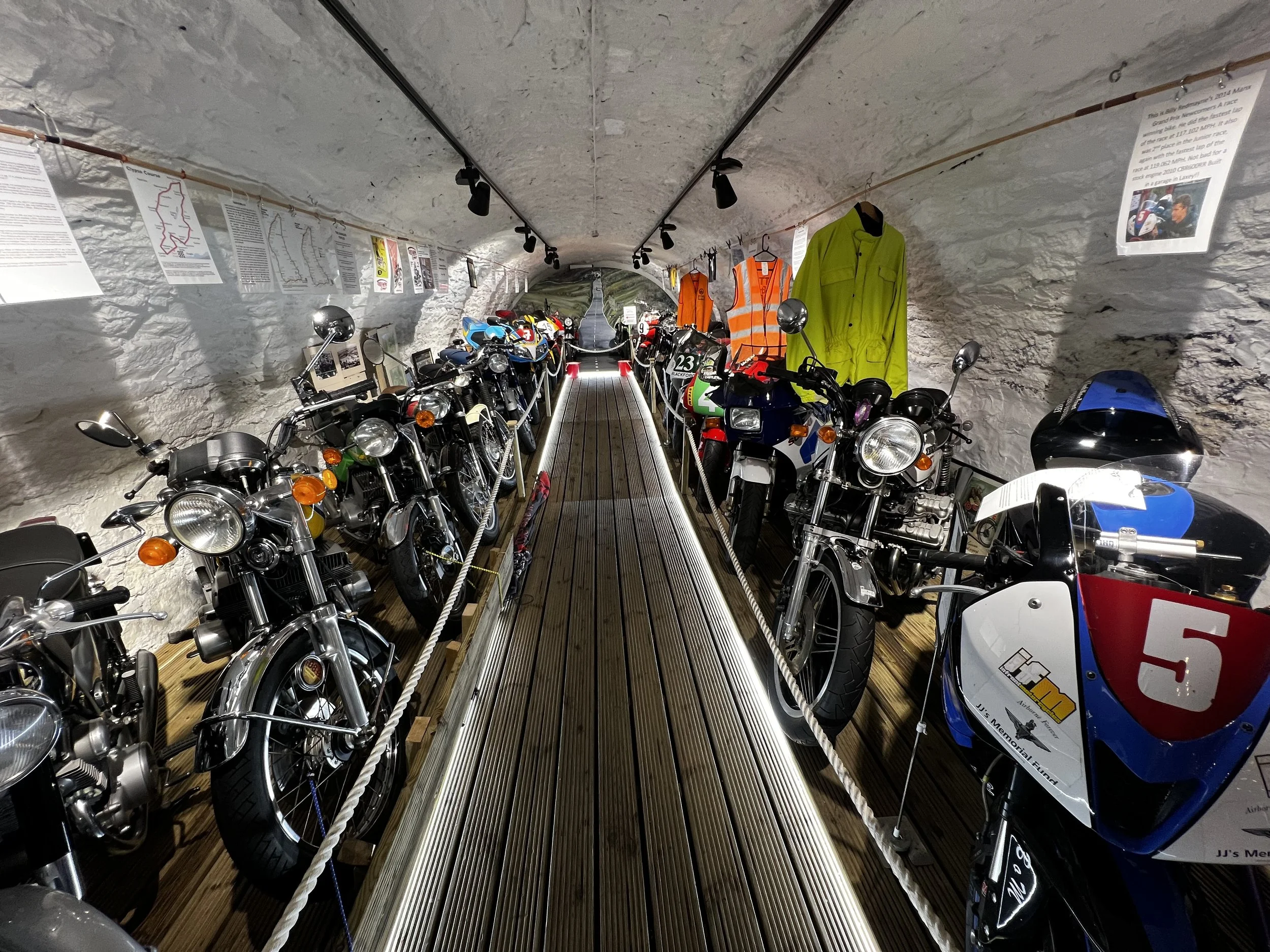
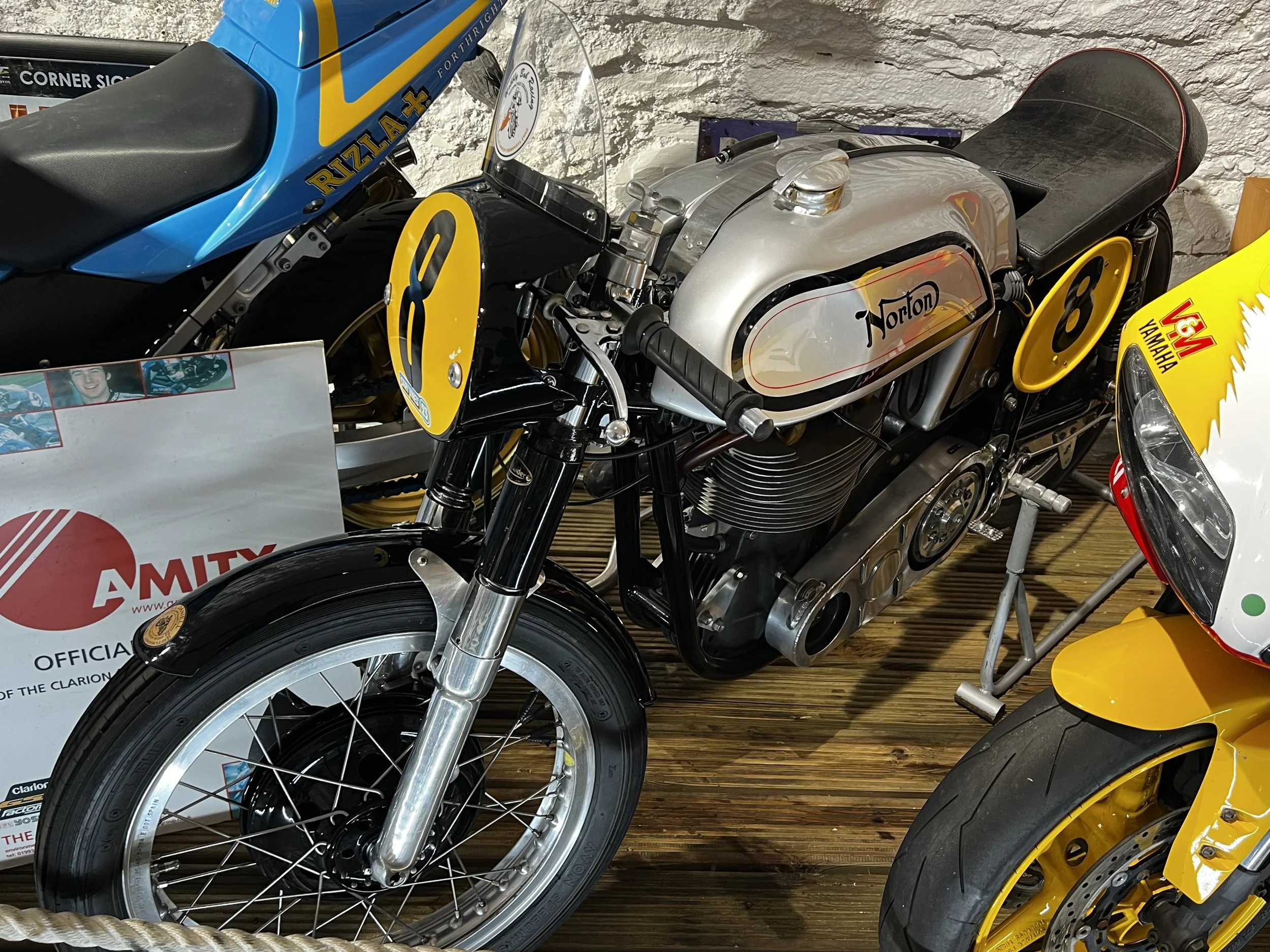
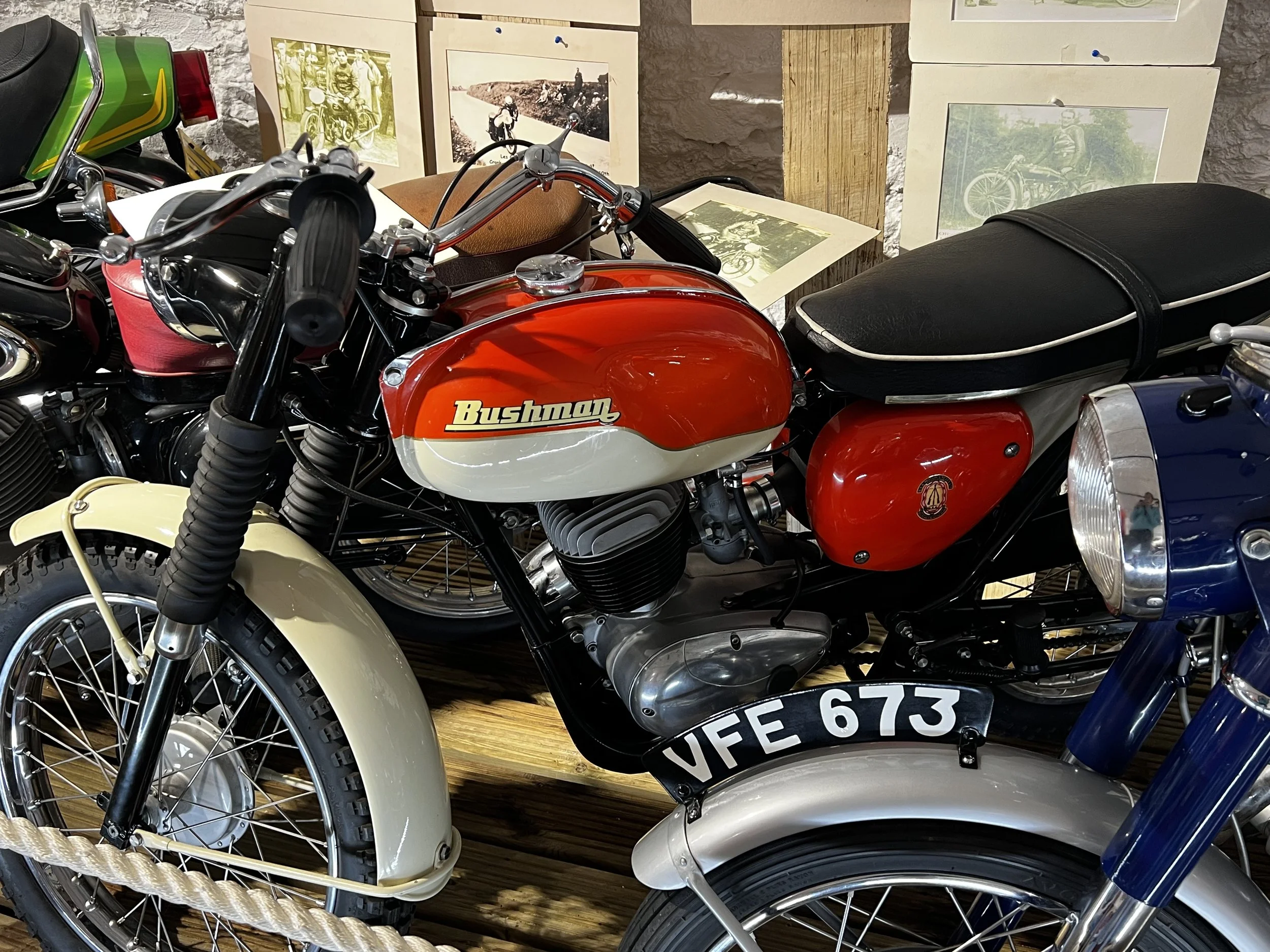
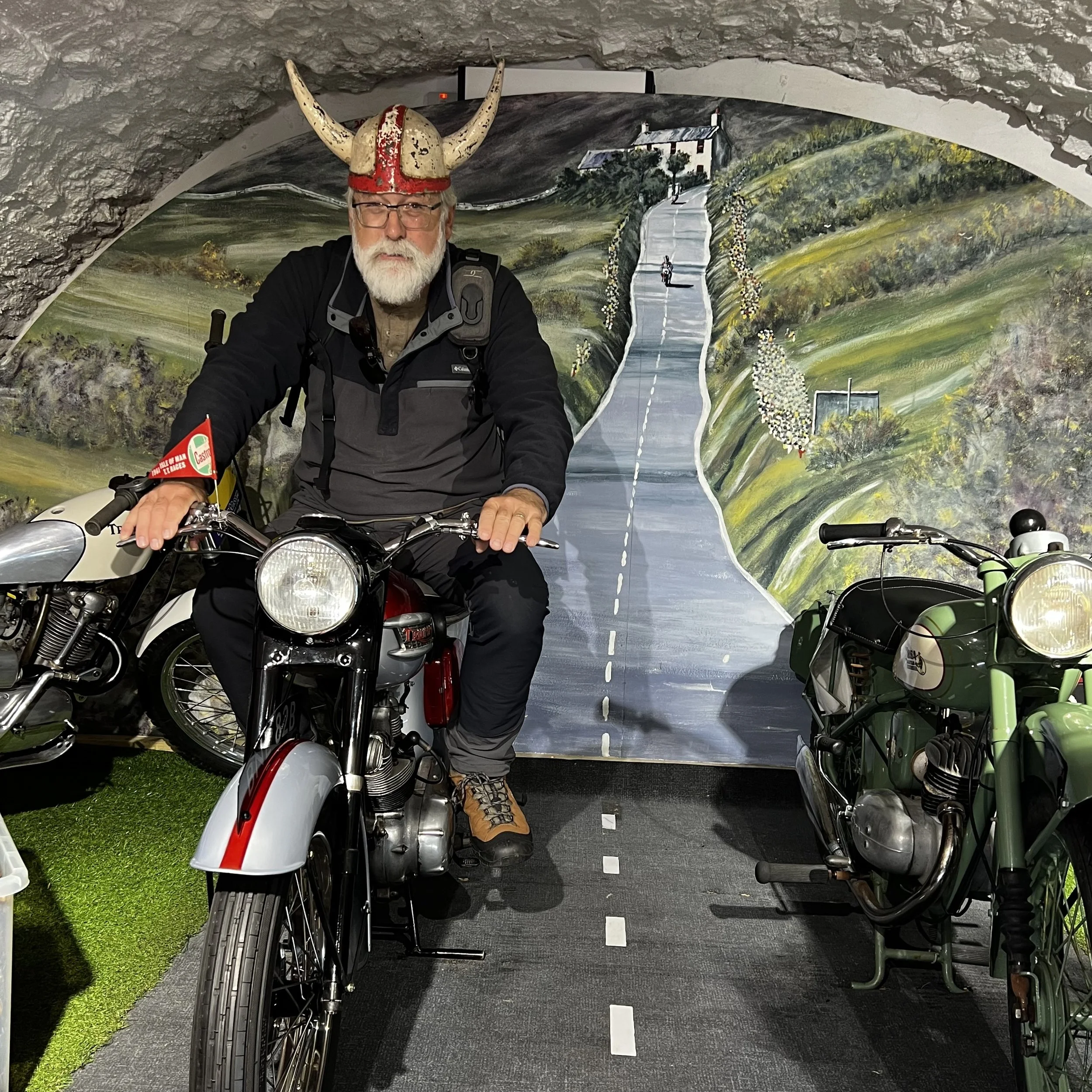
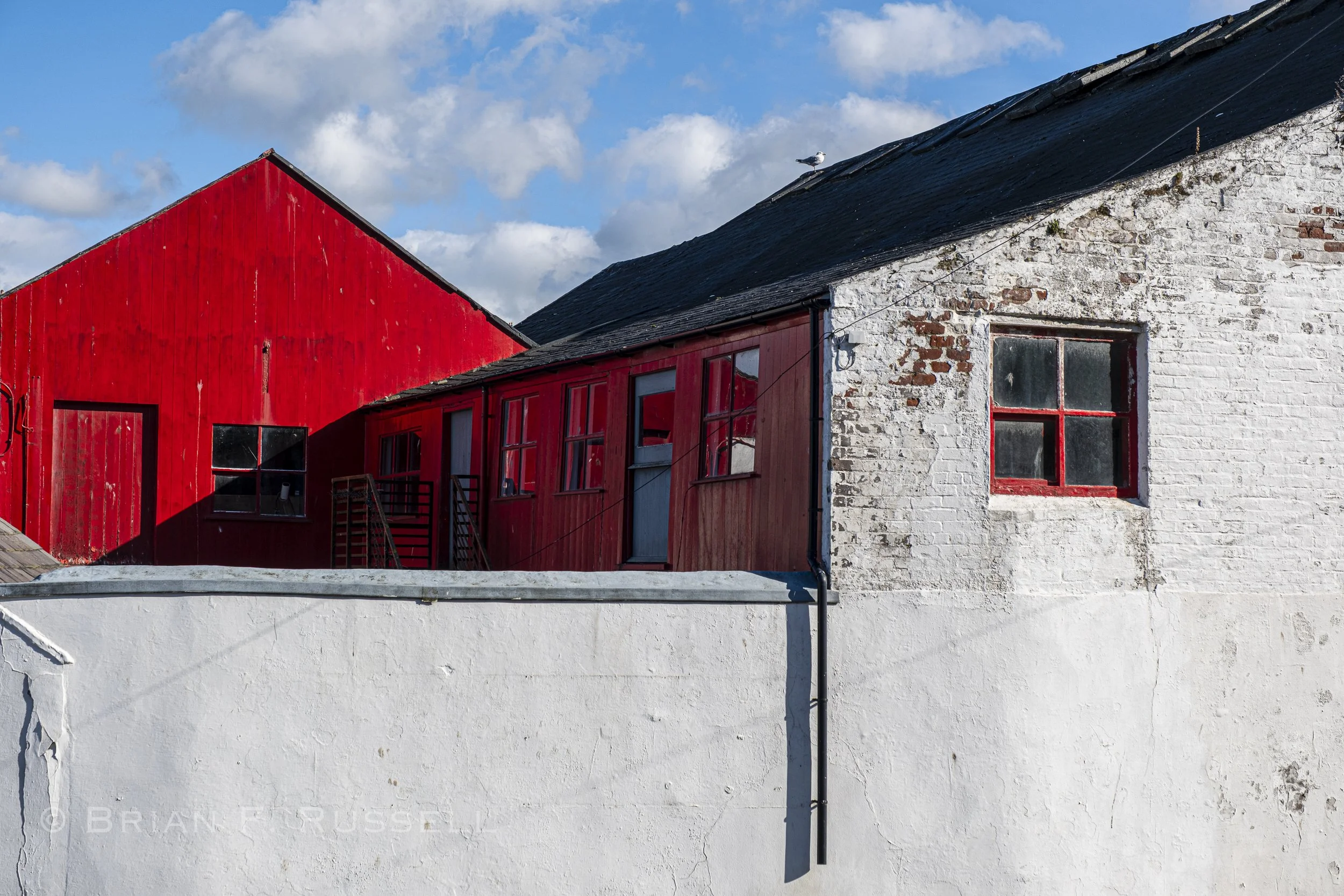
Manx Kipper factory, unfortunately closed now.
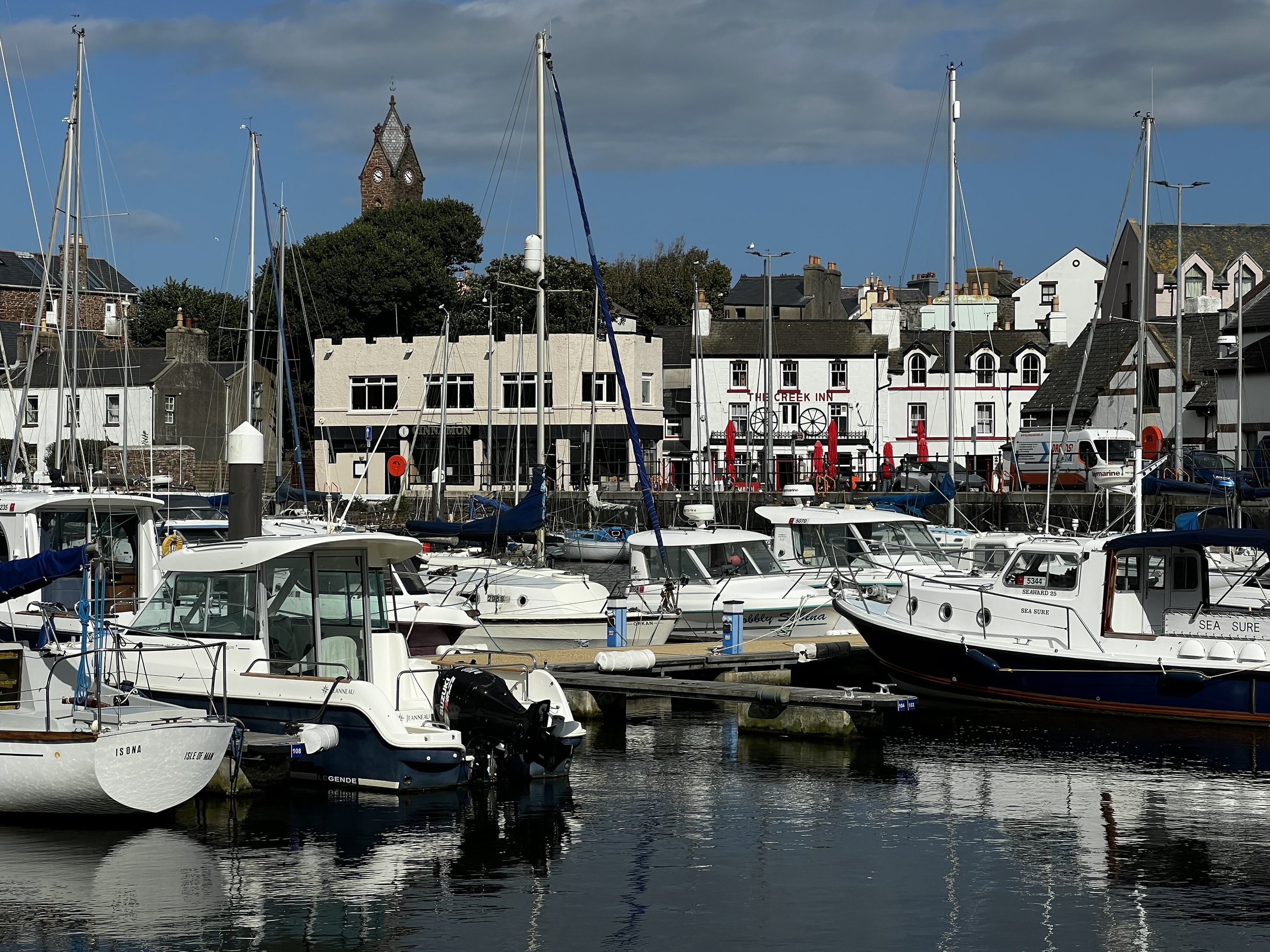
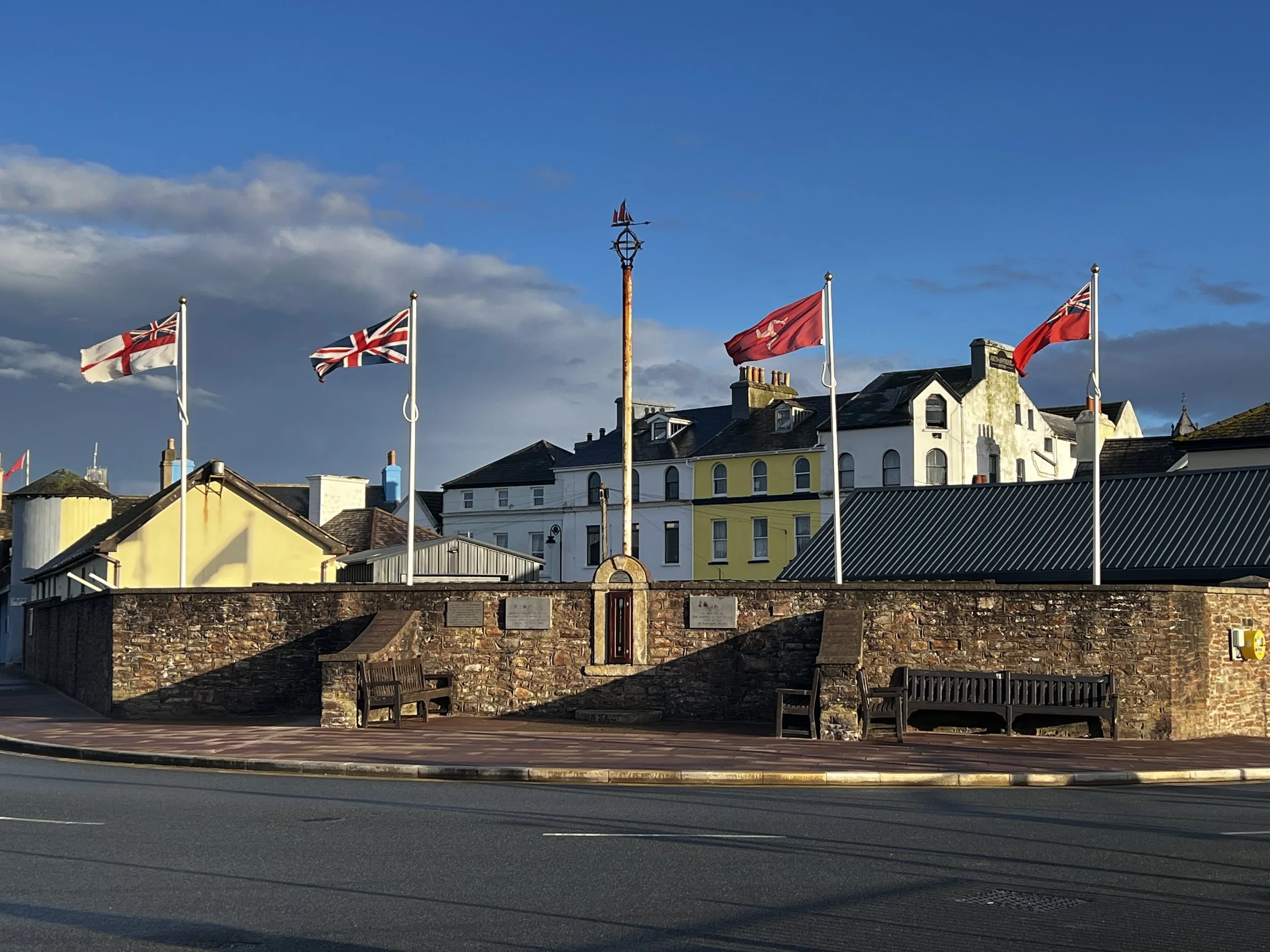
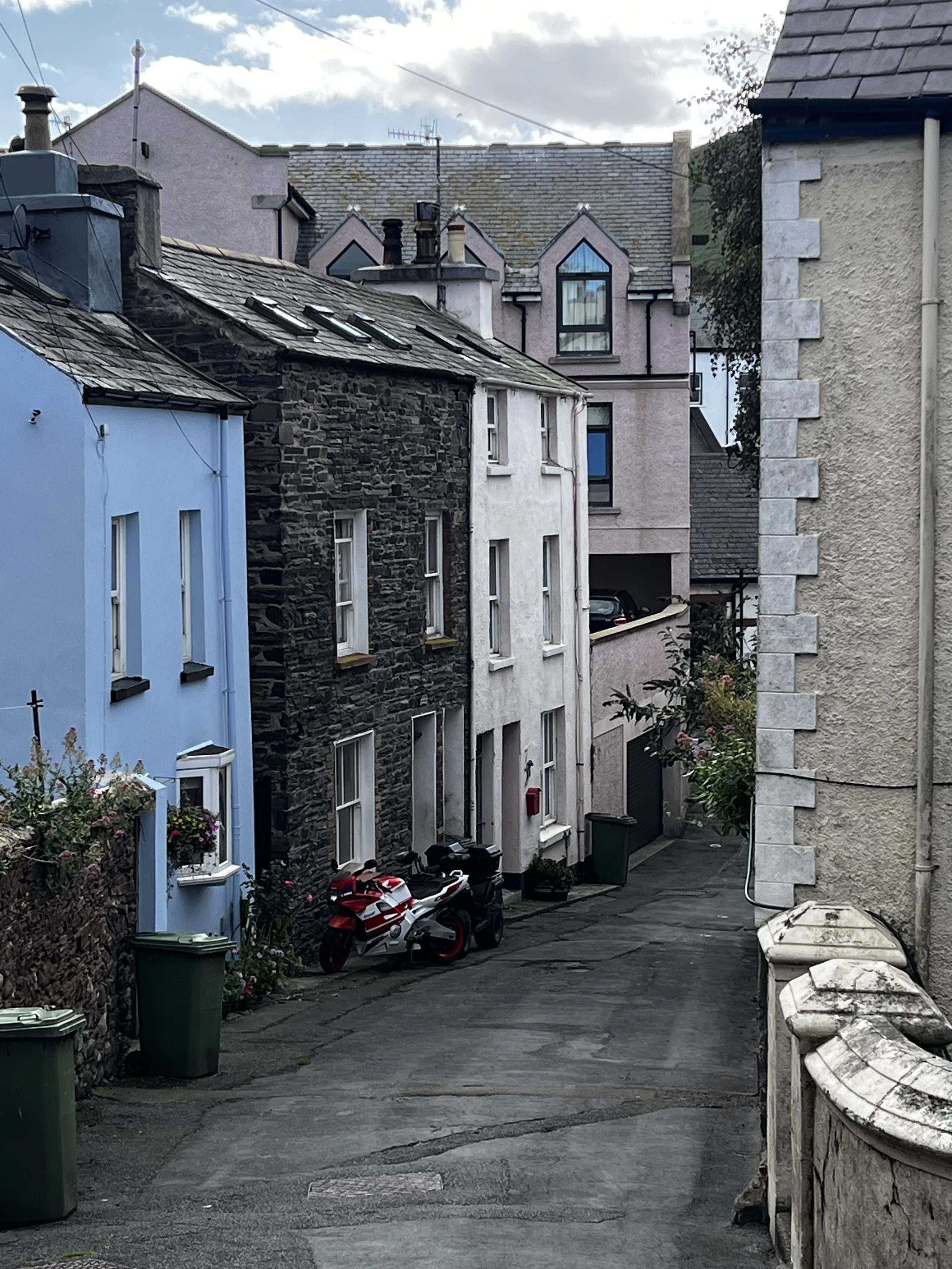
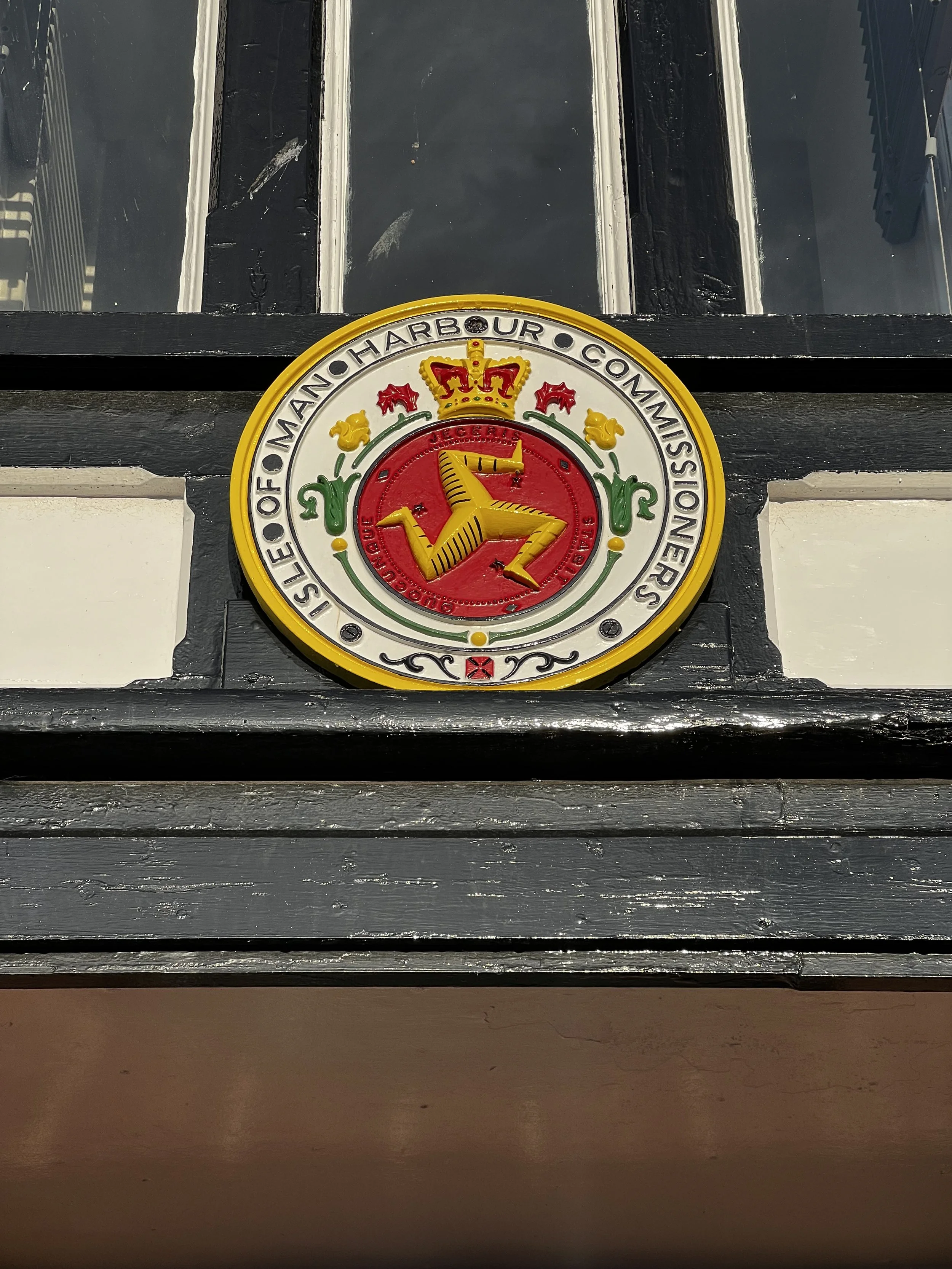
The Manx flag bears the unusual and ancient symbol of a triskelion, three armored legs. Possibly originating in Sicily, it represents progress and self reliance; whatever adversity is thrown its way, the Manx people will land on their feet and endure.
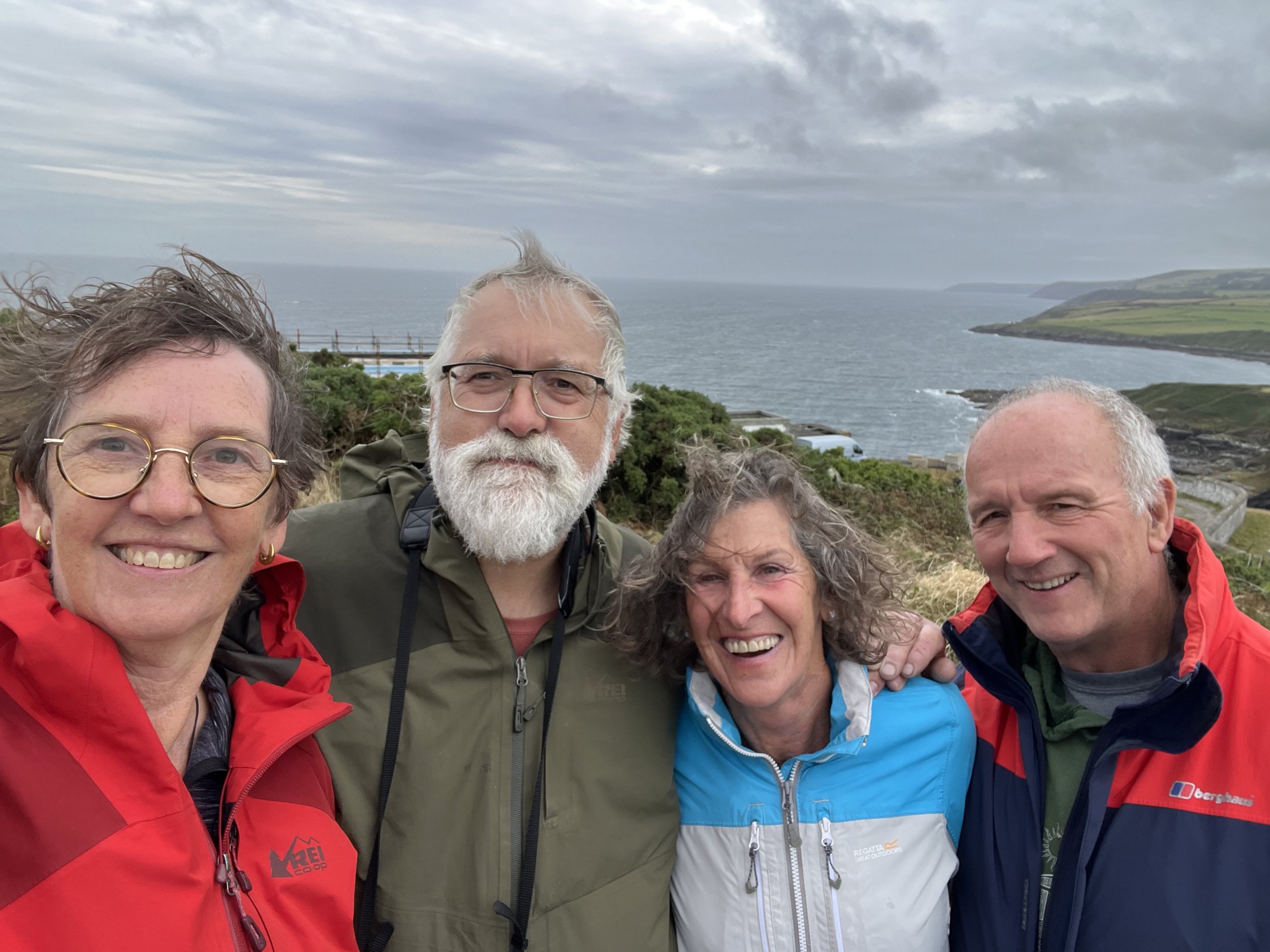
Walks in the hills above town, along the cliffs past Corrin’s Tower and the abandoned sea water swimming pool, the wood sculptures along the trail and the fine views. The weather was lovely, but the strong wind continued to blow from the south. We were trapped, not a bad place to be stuck at all.
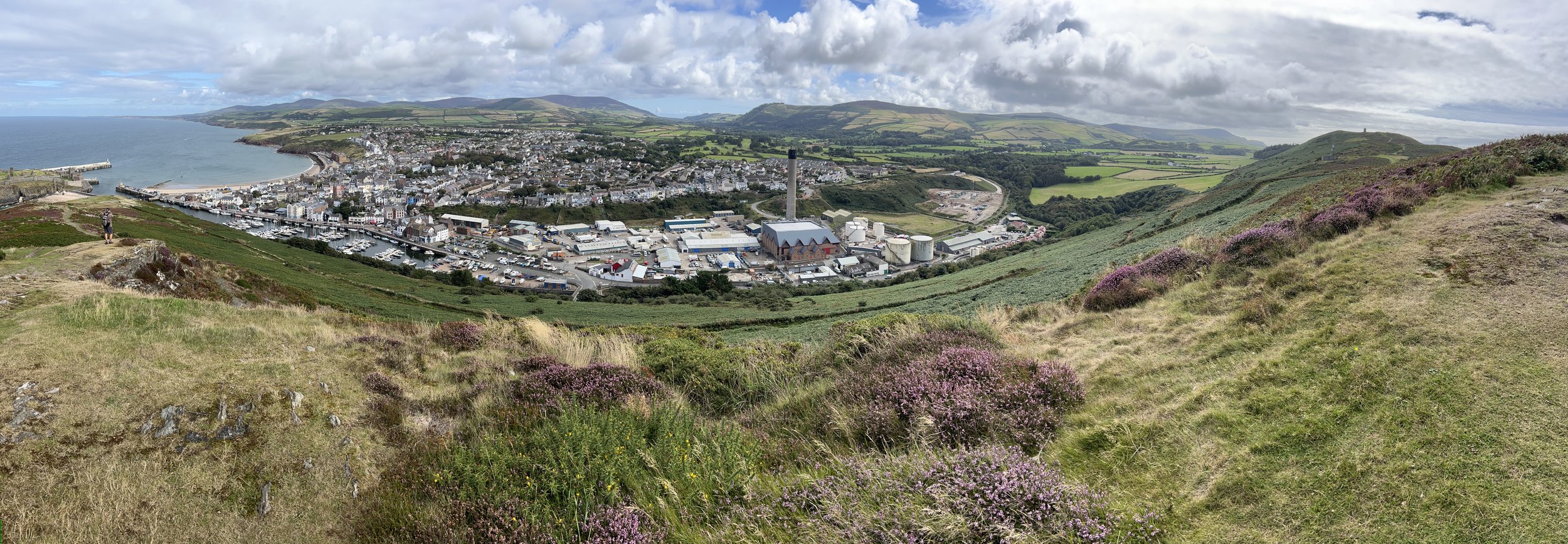
Panorama of Peel from the hills above.
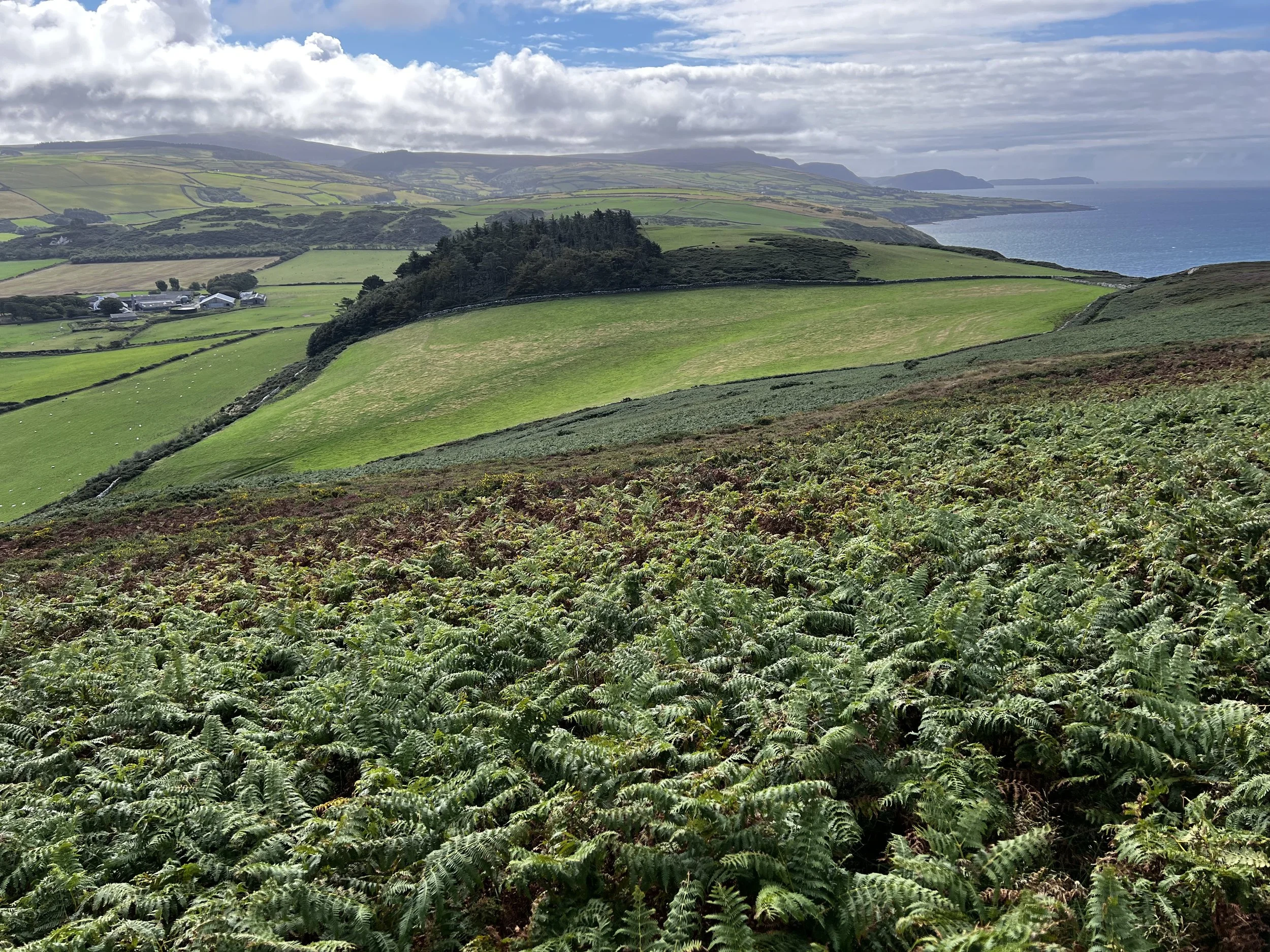
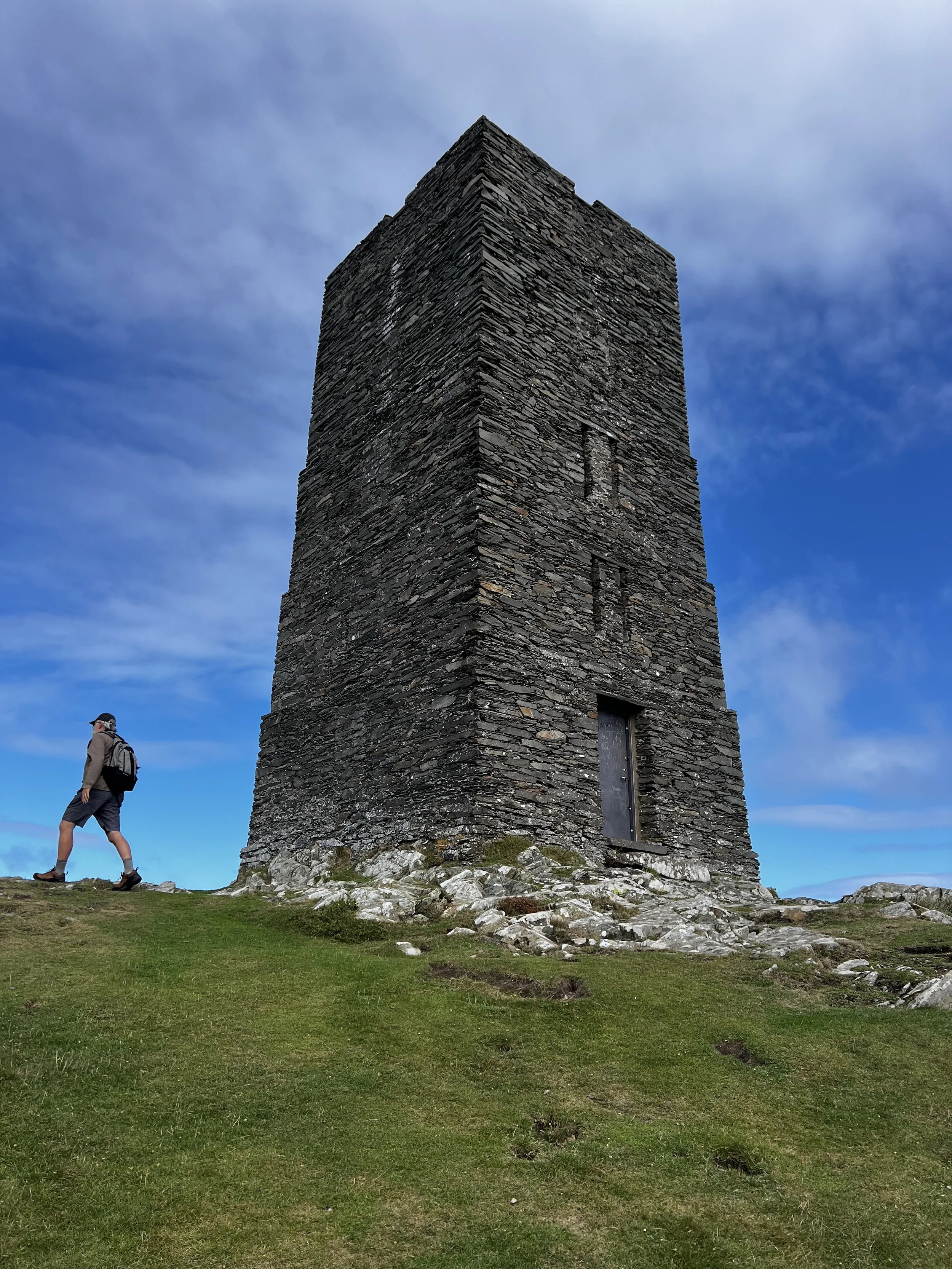
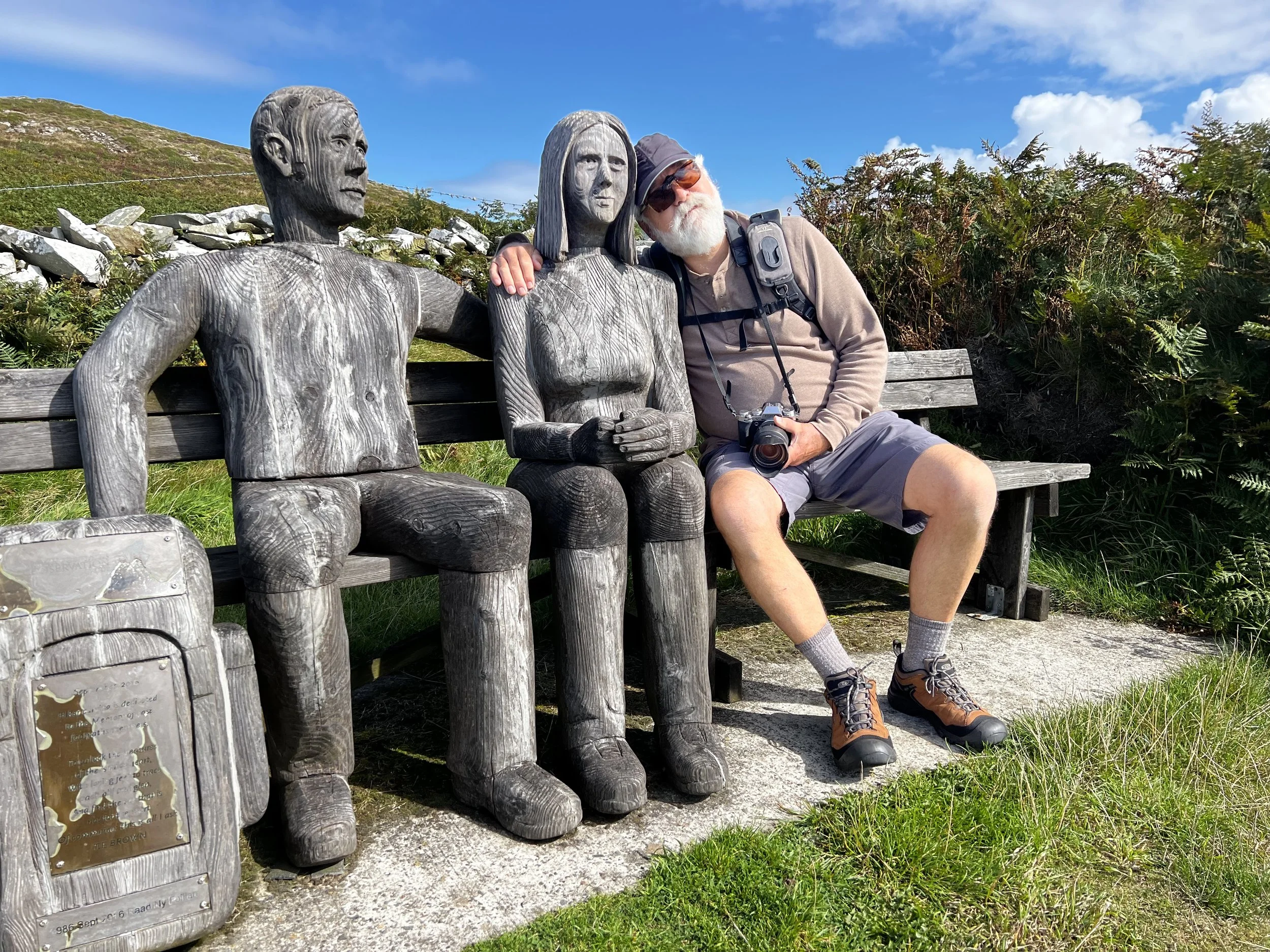
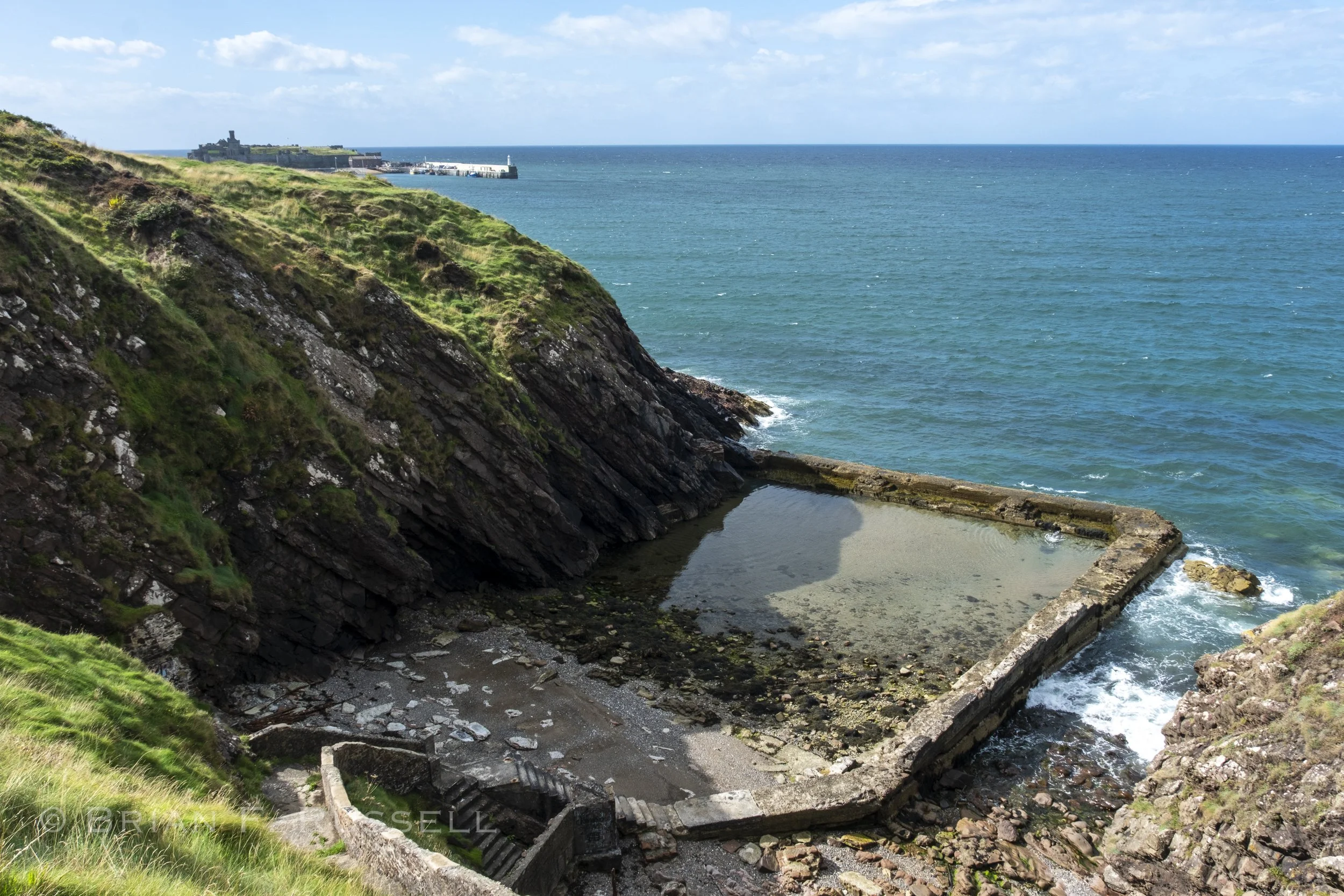
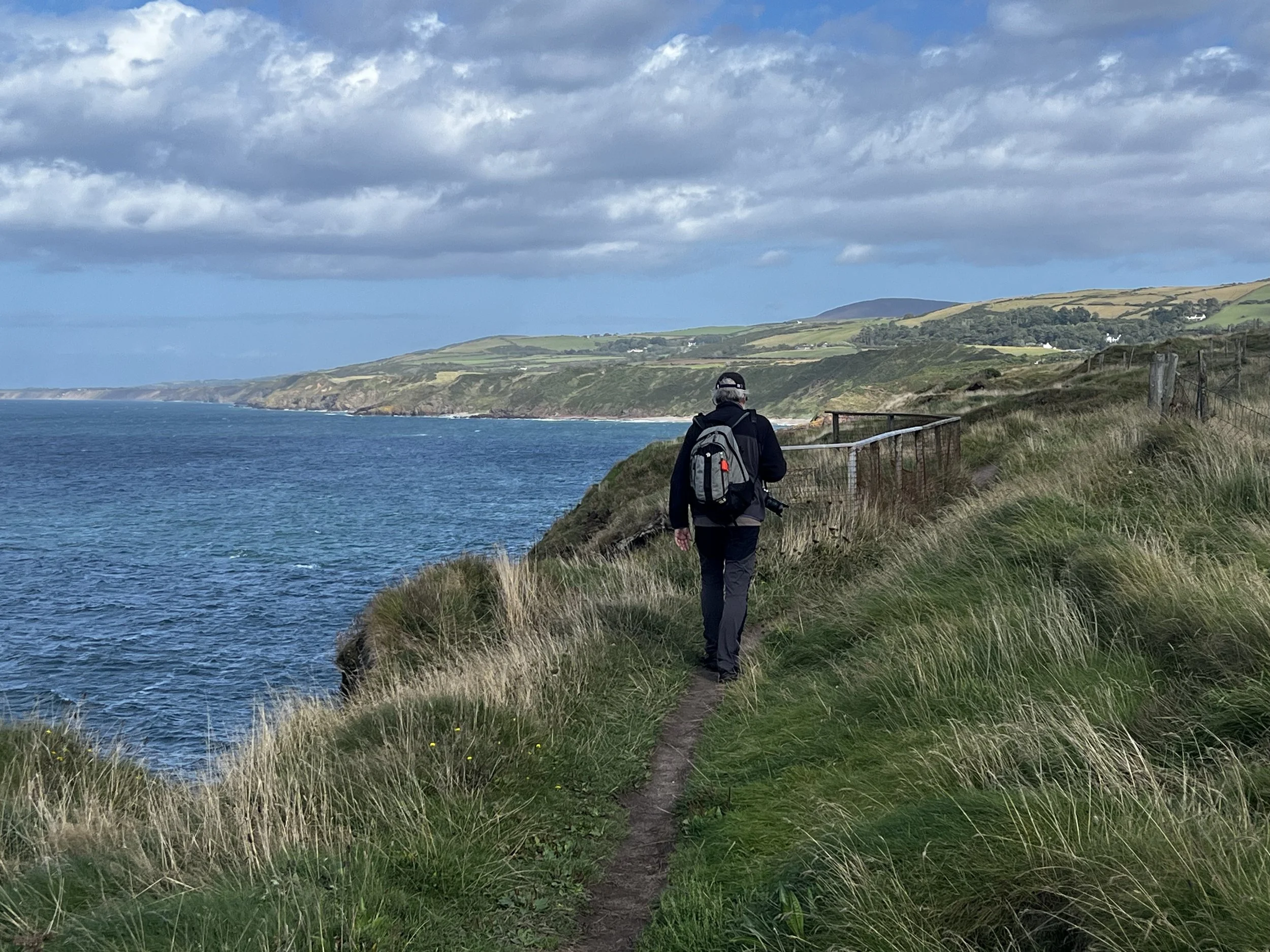
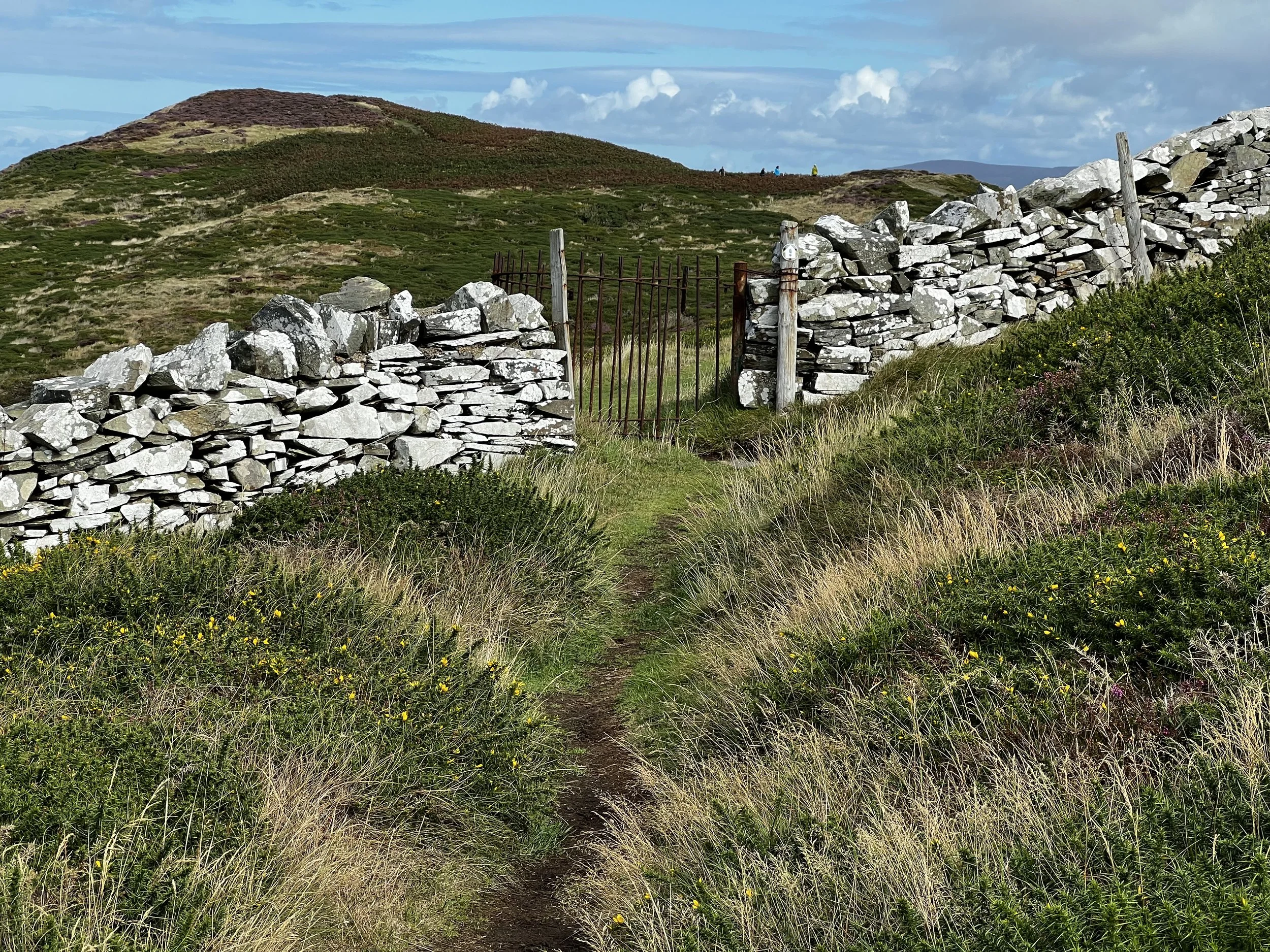
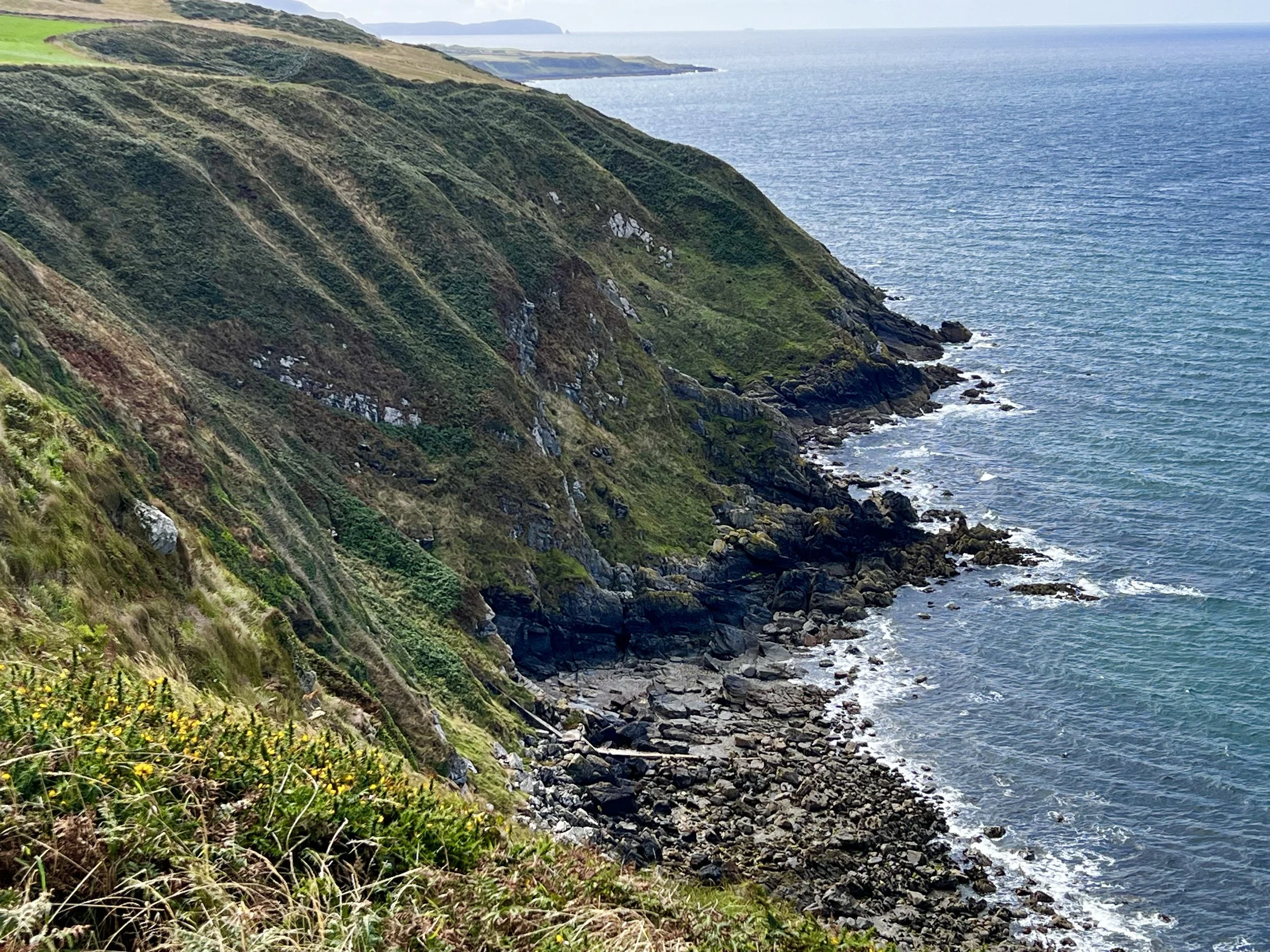
Rugged cliffs along the western shore.
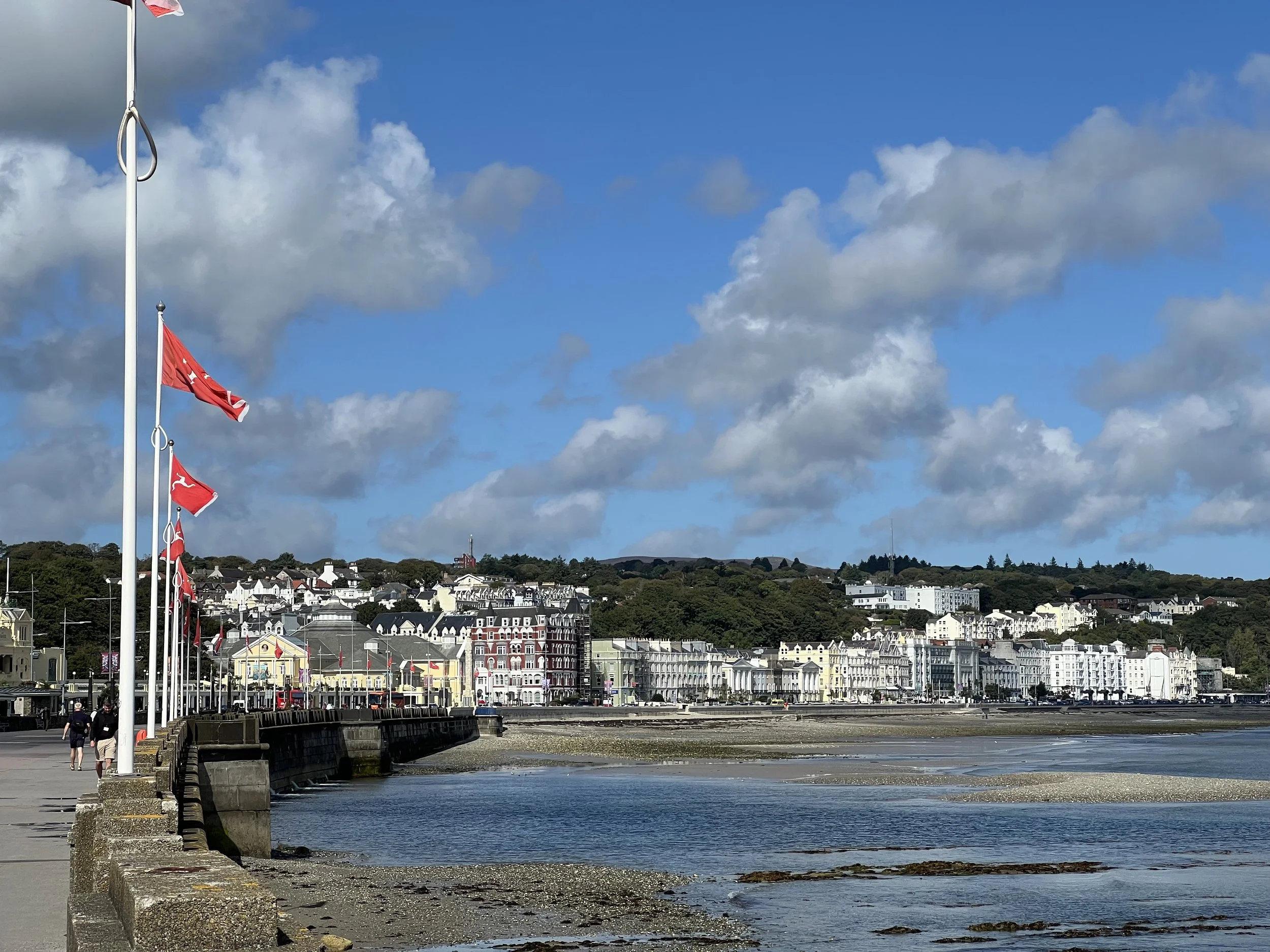
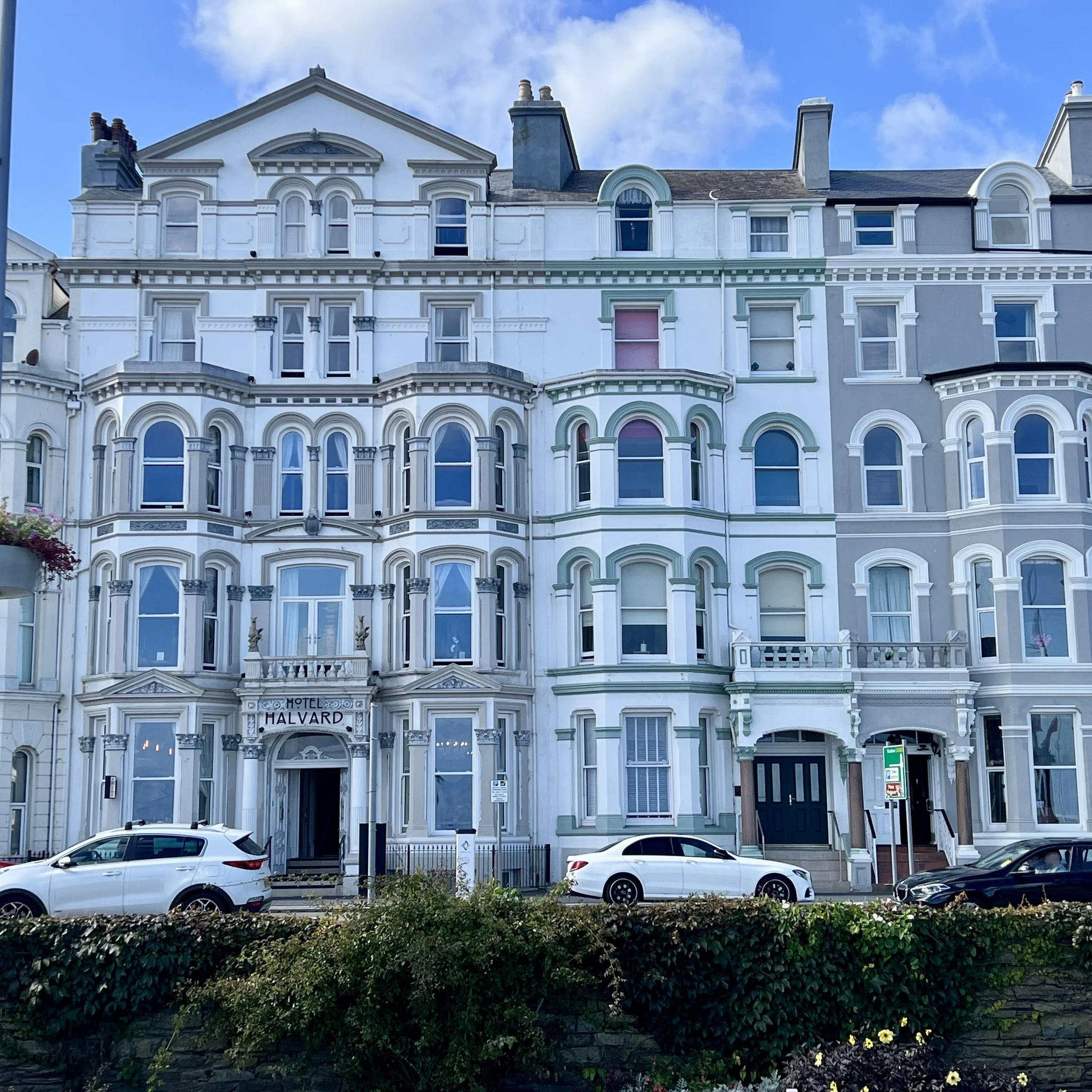
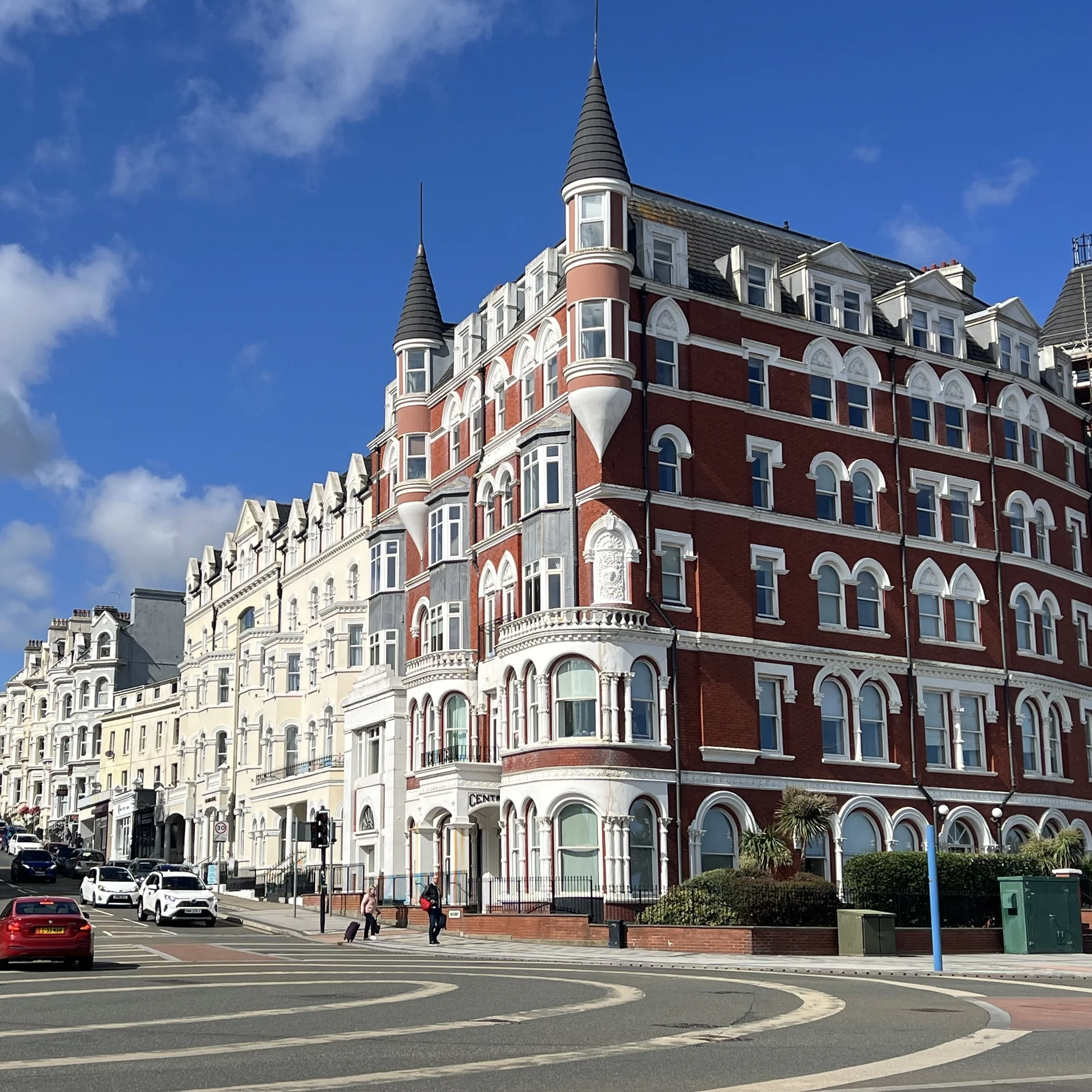
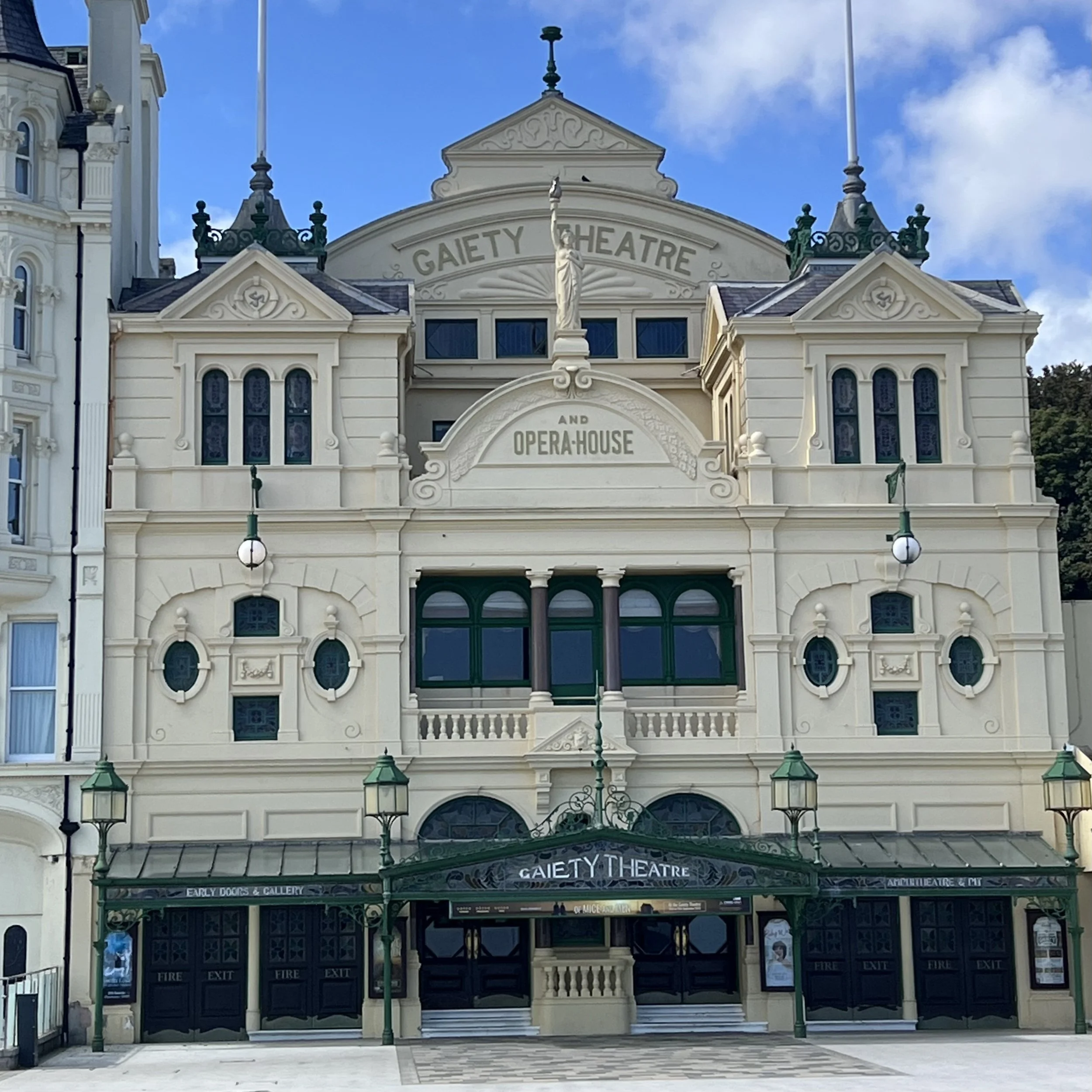
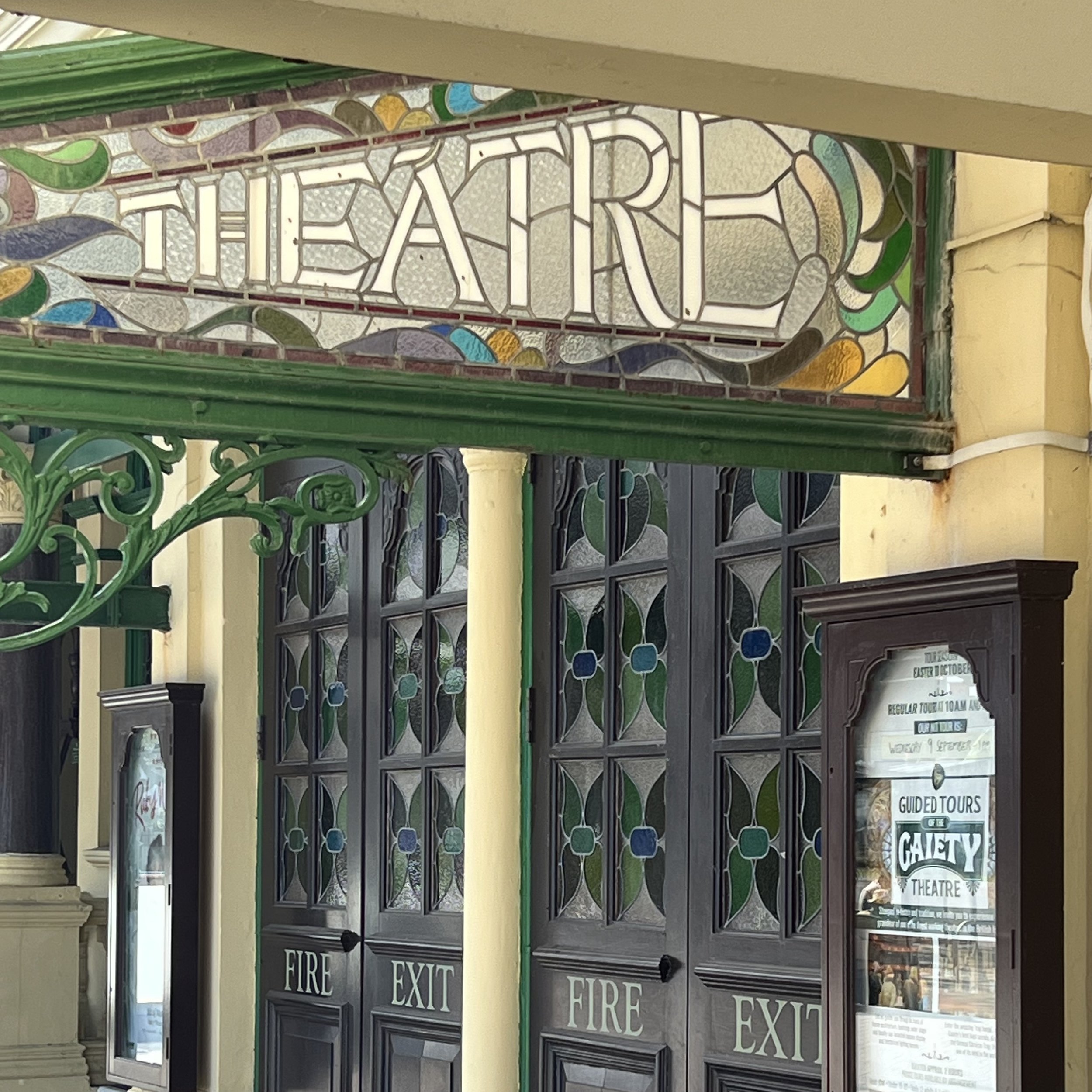
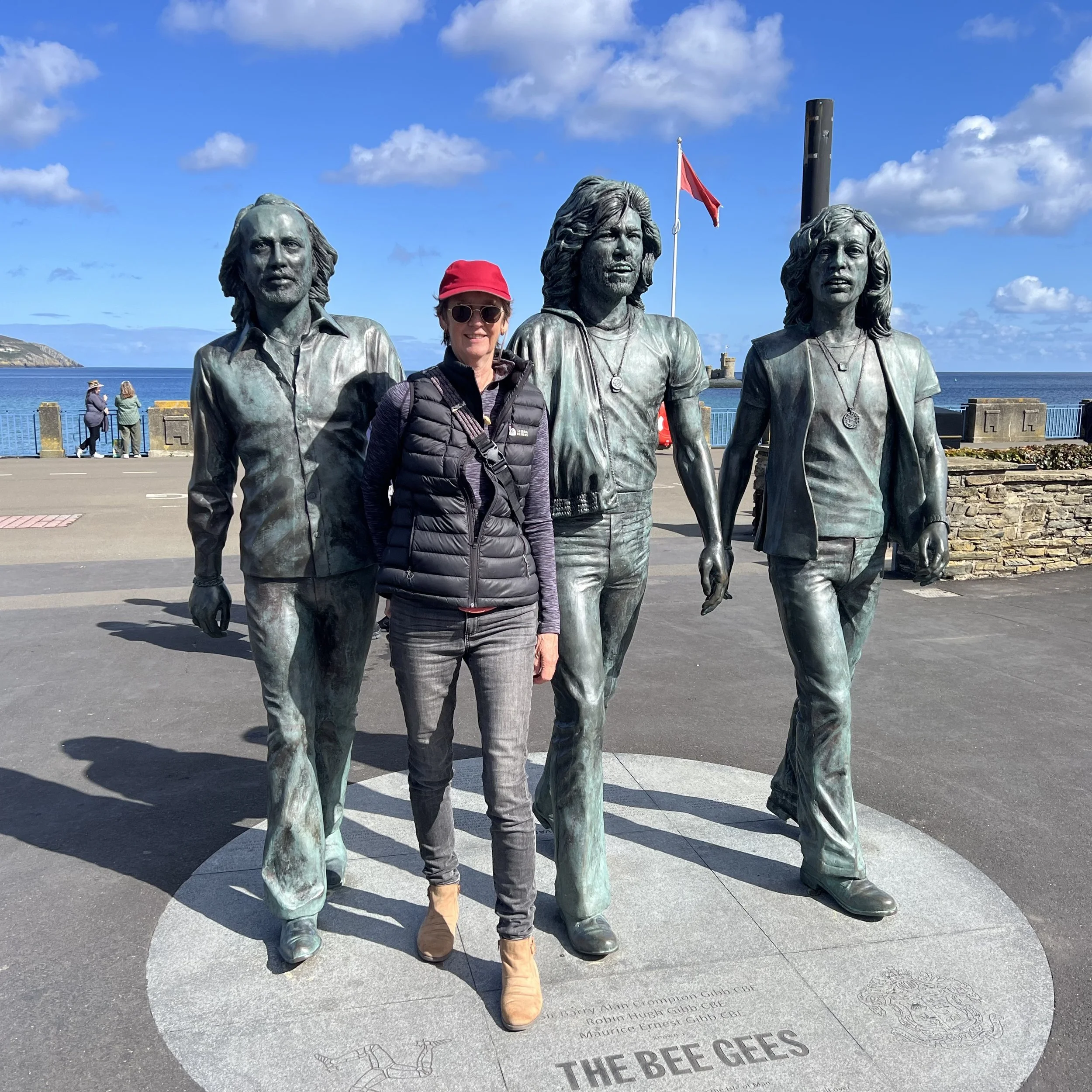
The Isle of Man was a very popular holiday destination for the wealthy Victorians that could afford both the time and money to take a vacation. The larger towns have long seafront parades of fine old Victorian buildings. We took a bus to Douglas, the capital of the Isle of Man. It was a particularly splendid waterfront, with its beautifully restored Gaiety Theater. Also, who knew the Bee Gees were originally Manx?
After more than a week the weather finally promised to blow from the northwest. We contacted the harbormaster to arrange our exit. We needed to leave at noon, at high tide, when the sill could be lowered, and then wait on the mooring in the bay before leaving in the evening. We were planning an overnight passage back to Ireland - off to Dublin!