Art and History in Dublin
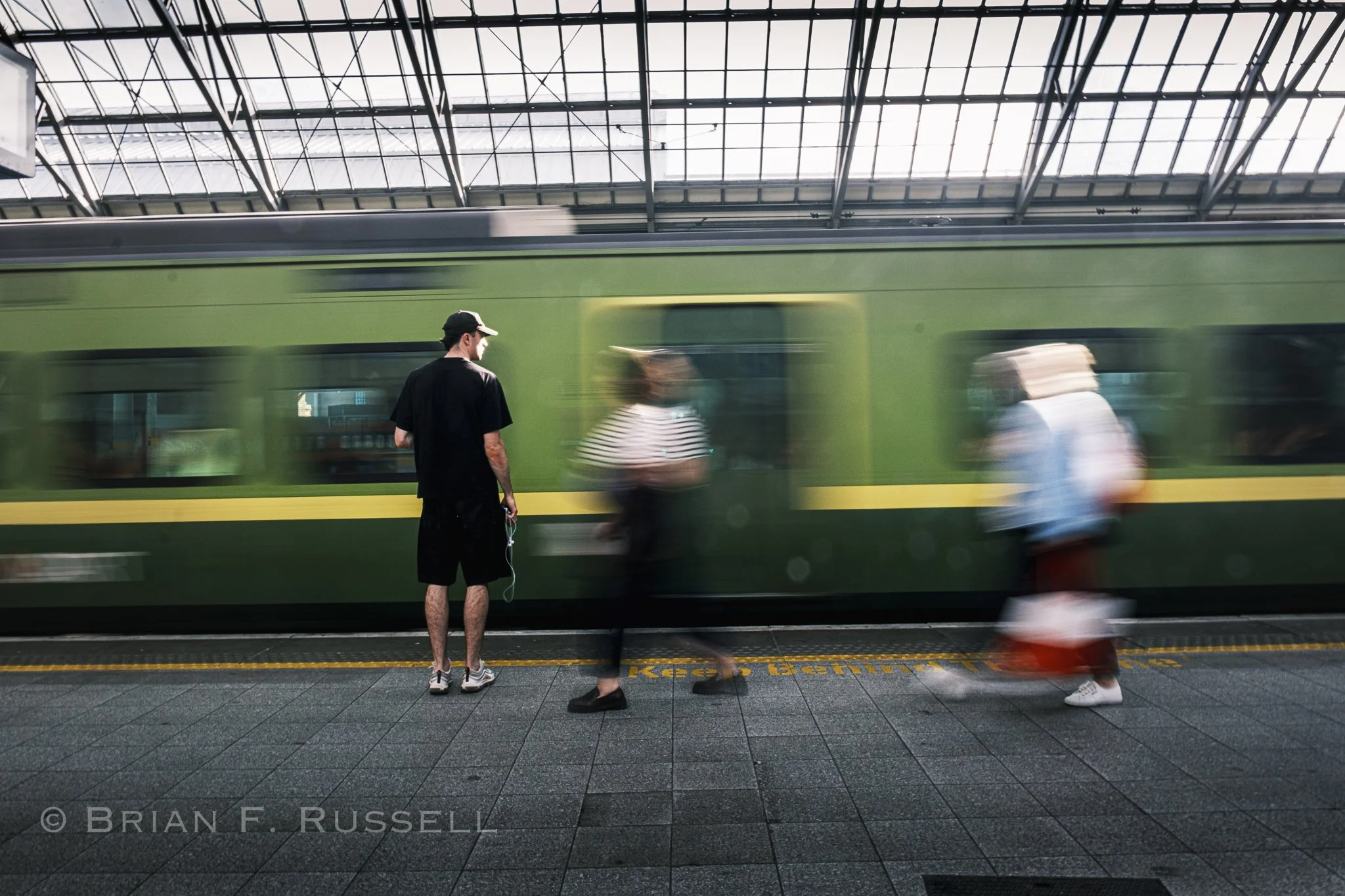
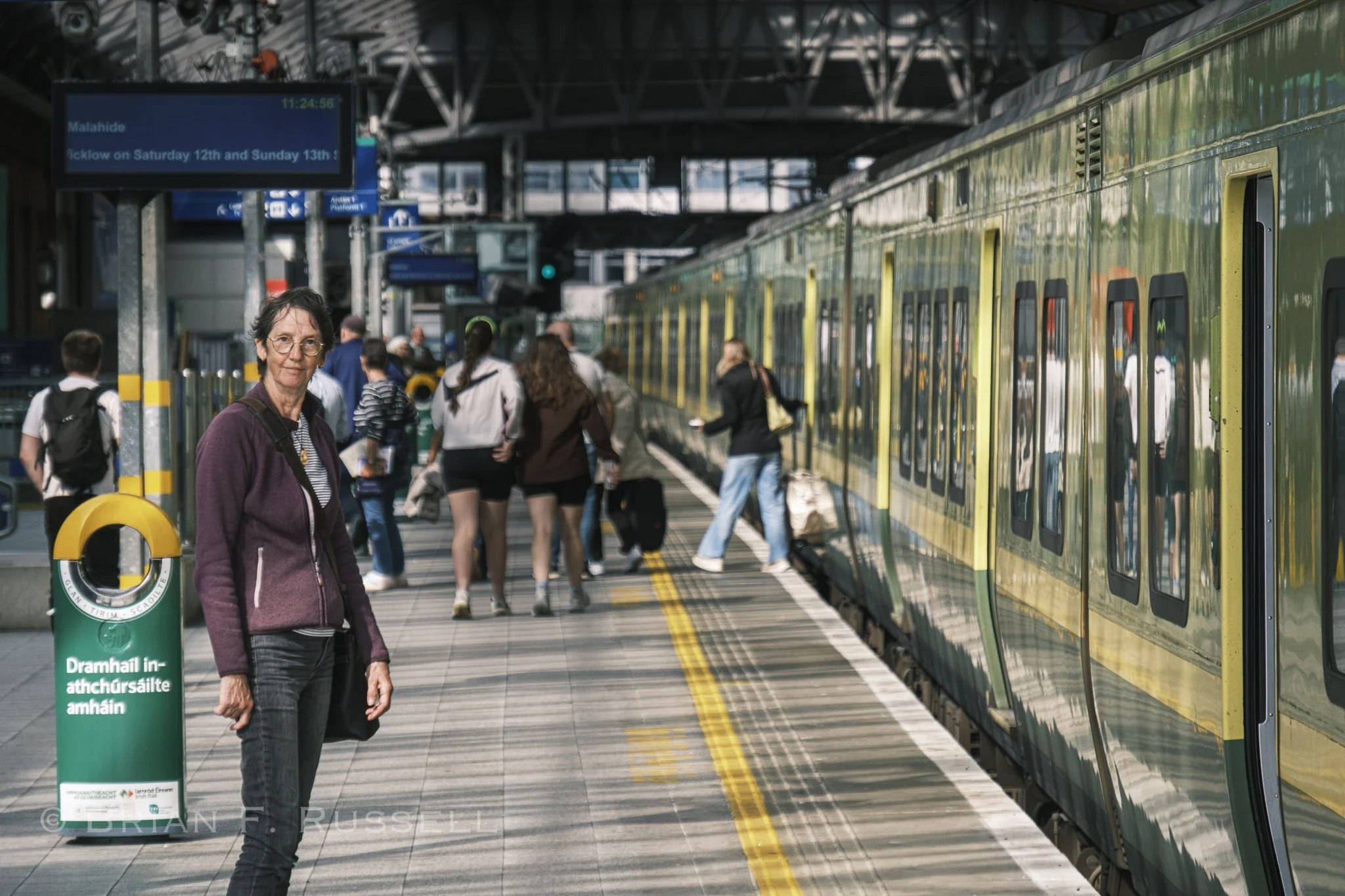
Waiting on the train in Dublin.
The overnight passage from Isle of Man to Dublin was not very comfortable, it was a close haul and the wind was not as steady as expected. We arrived in the morning and slipped in to Dún Laoghaire marina on the south coast of Dublin Bay. It is no longer possible to take a yacht in to the center of Dublin, there is only a very small marina next to the cargo terminal and beyond that many low bridges. Dún Laoghaire (pronounced Done Leery) was a good alternative, with a frequent train connection to the center of Dublin for the 20 minute ride.
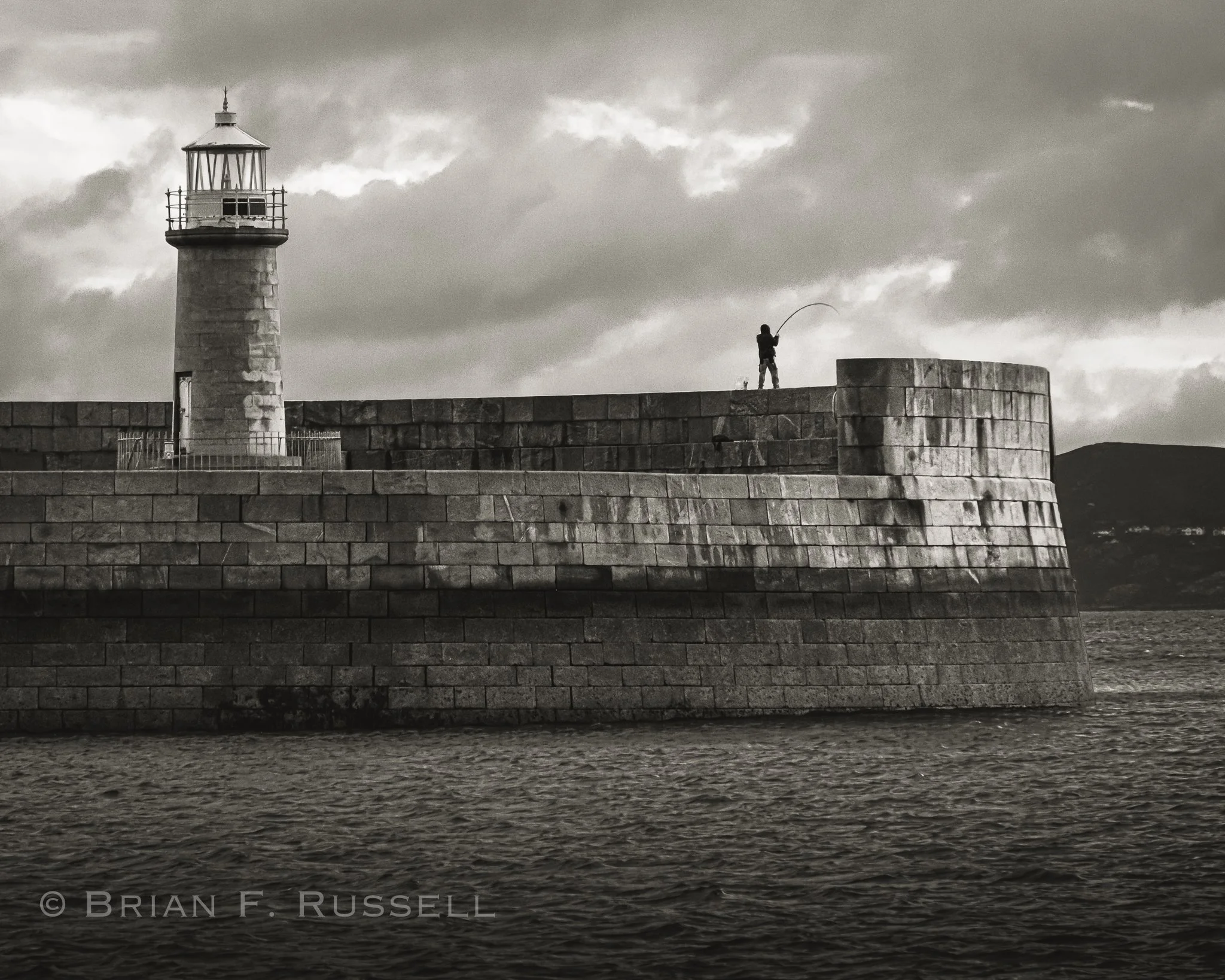
Arriving in Dún Laoghaire harbor, passing the early morning fishermen.
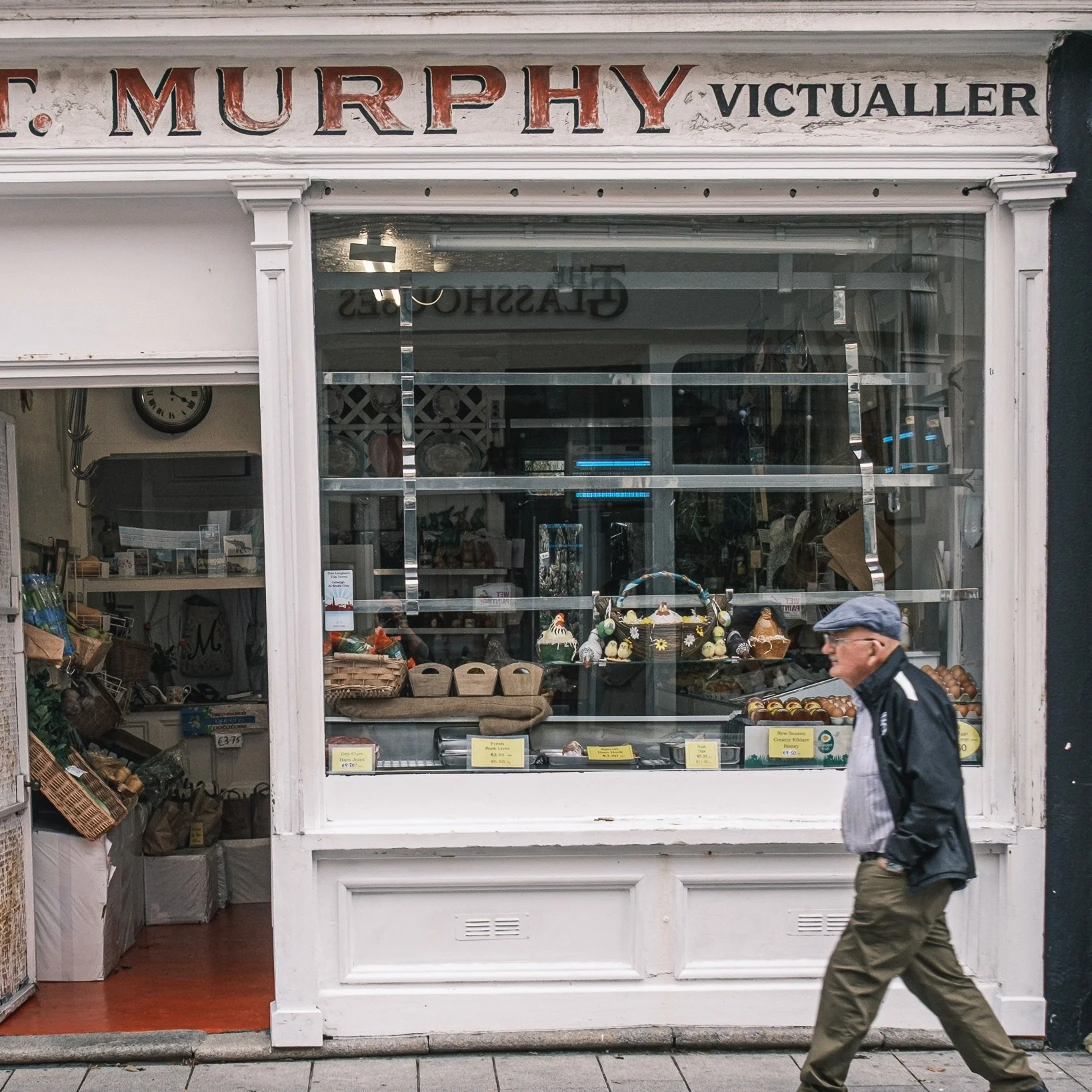
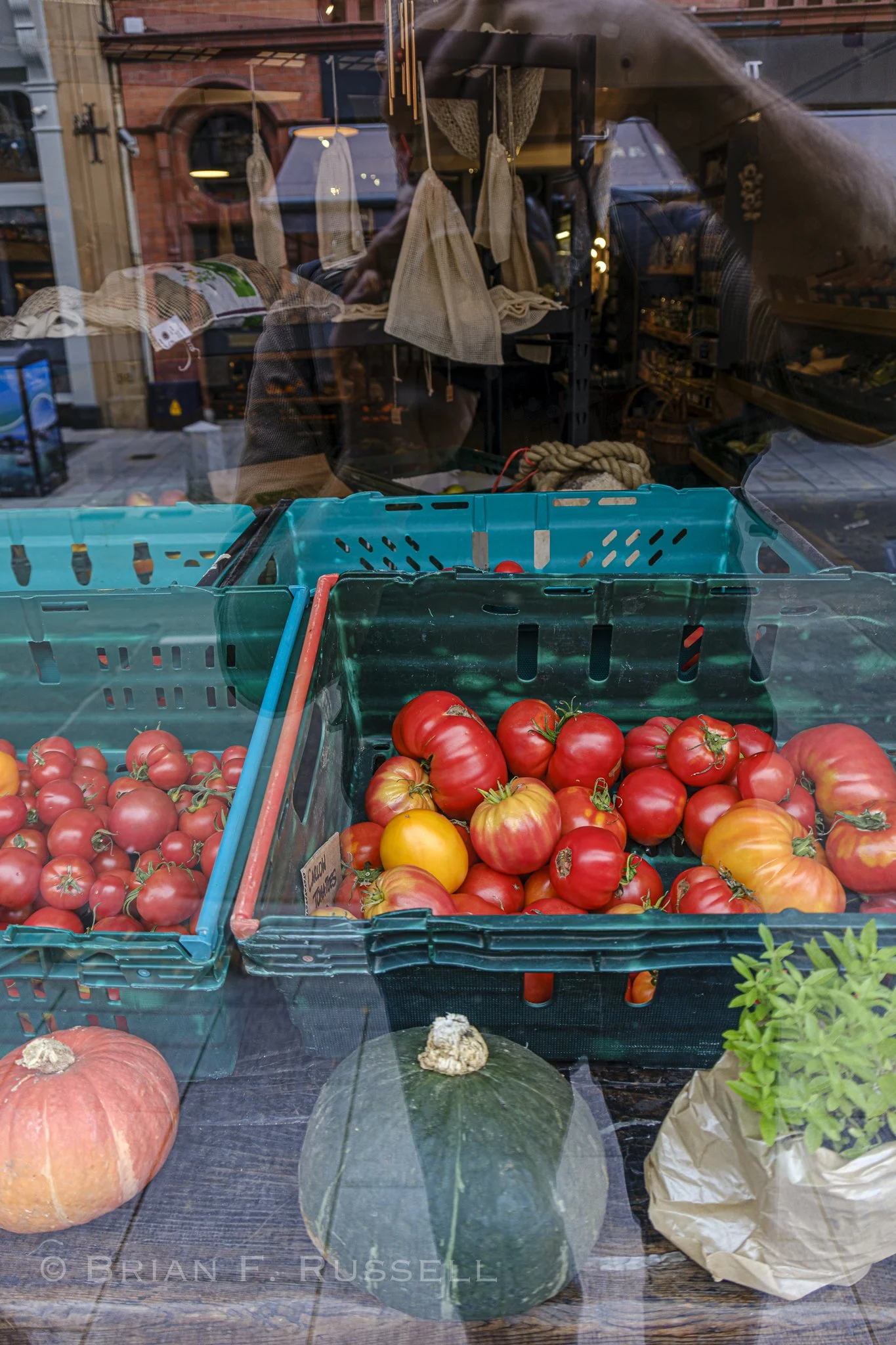
That afternoon we had to visit the local Garda station to present ourselves to the authorities in lieu of visiting customs and immigration at the airport. We then wandered around town to get a feel for the area. It had a lively town center with many independent stores that appeared to be thriving. We bought some butcher-made sausages, local cheese and heirloom tomatoes.
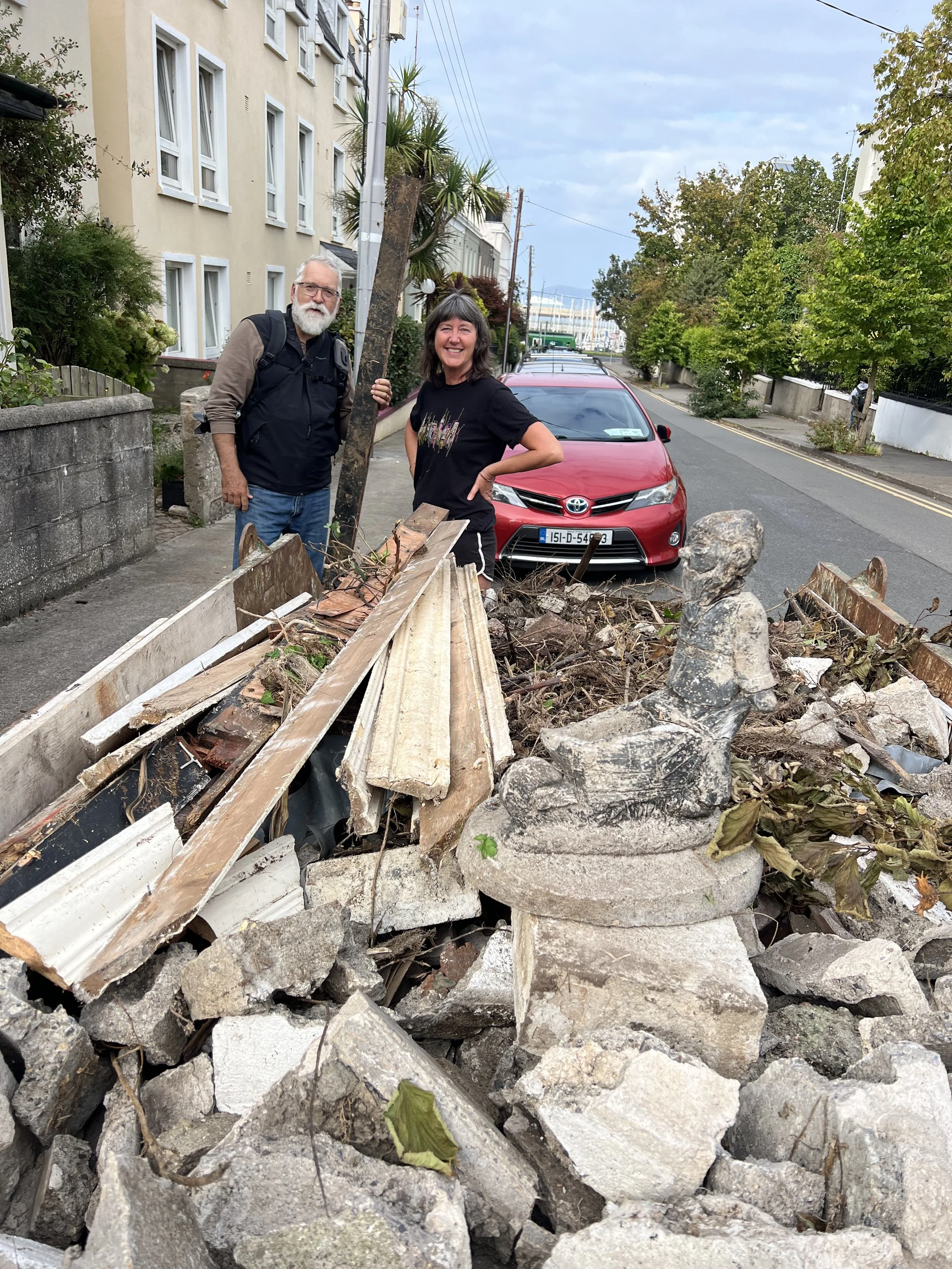
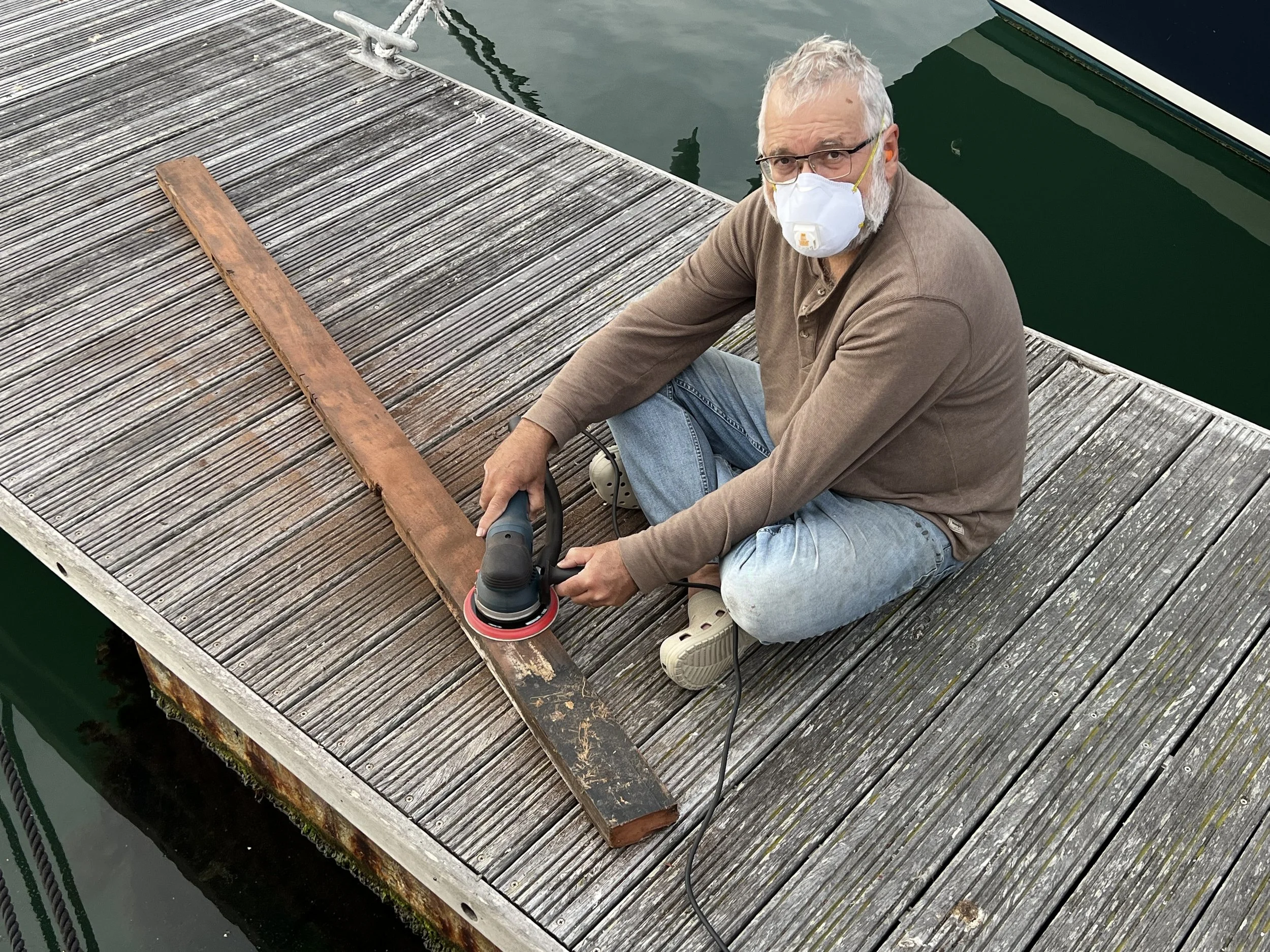
On the way back to the boat as we wandered through a neighborhood we passed JoJo loading up a skip with the remains of her backyard shed. Brian spotted a door jam that looked like it was made from mahogany, and asked to take a look. Well one thing led to another, and after visiting her home to view the chair she recently made, we were the proud owners of a mahogany door jam.
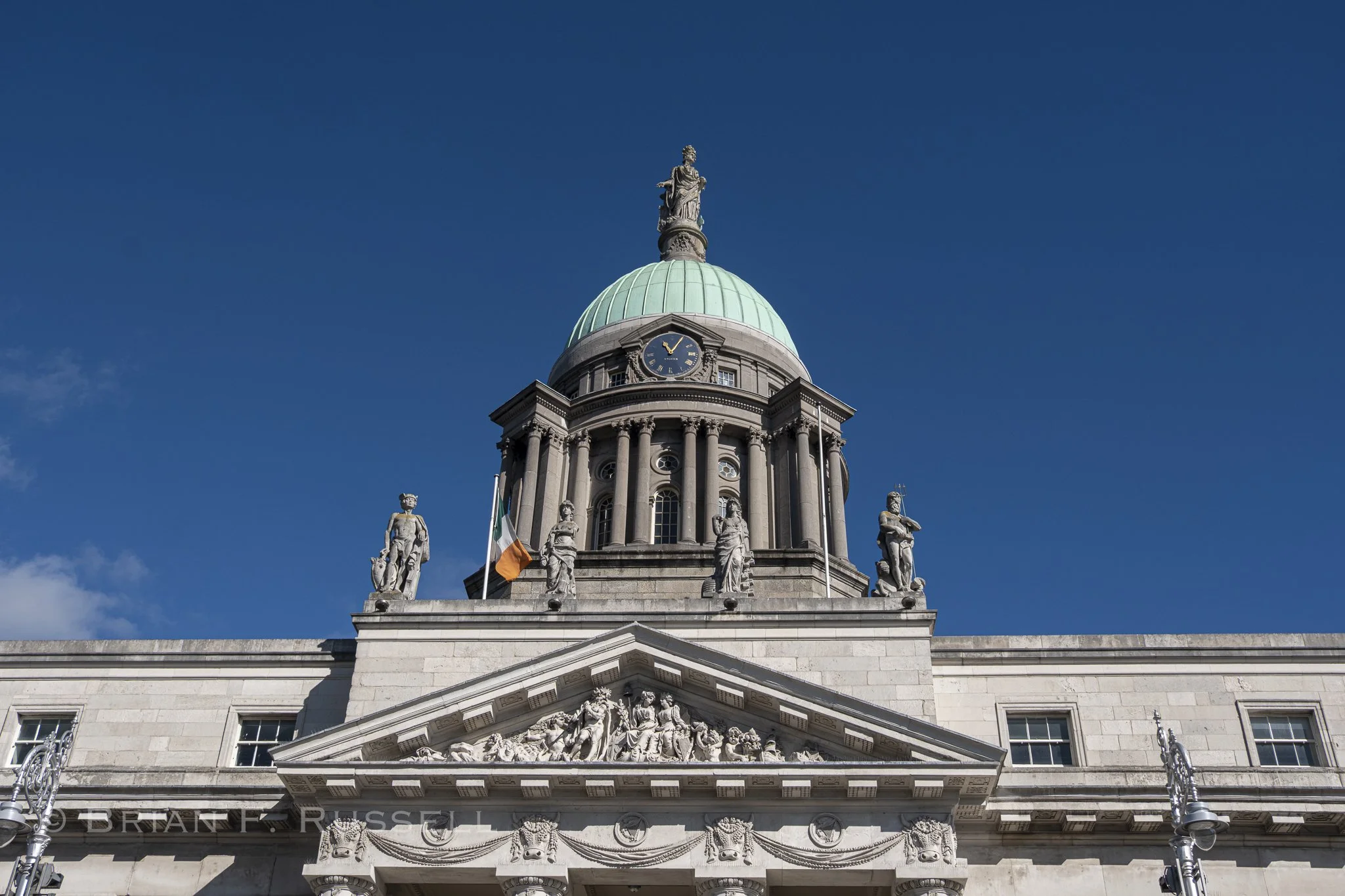
The following day we took ourselves to Dublin. We enjoyed the grand buildings of the Customs House, St Paul’s church, Christ Church cathedral and all the bridges.
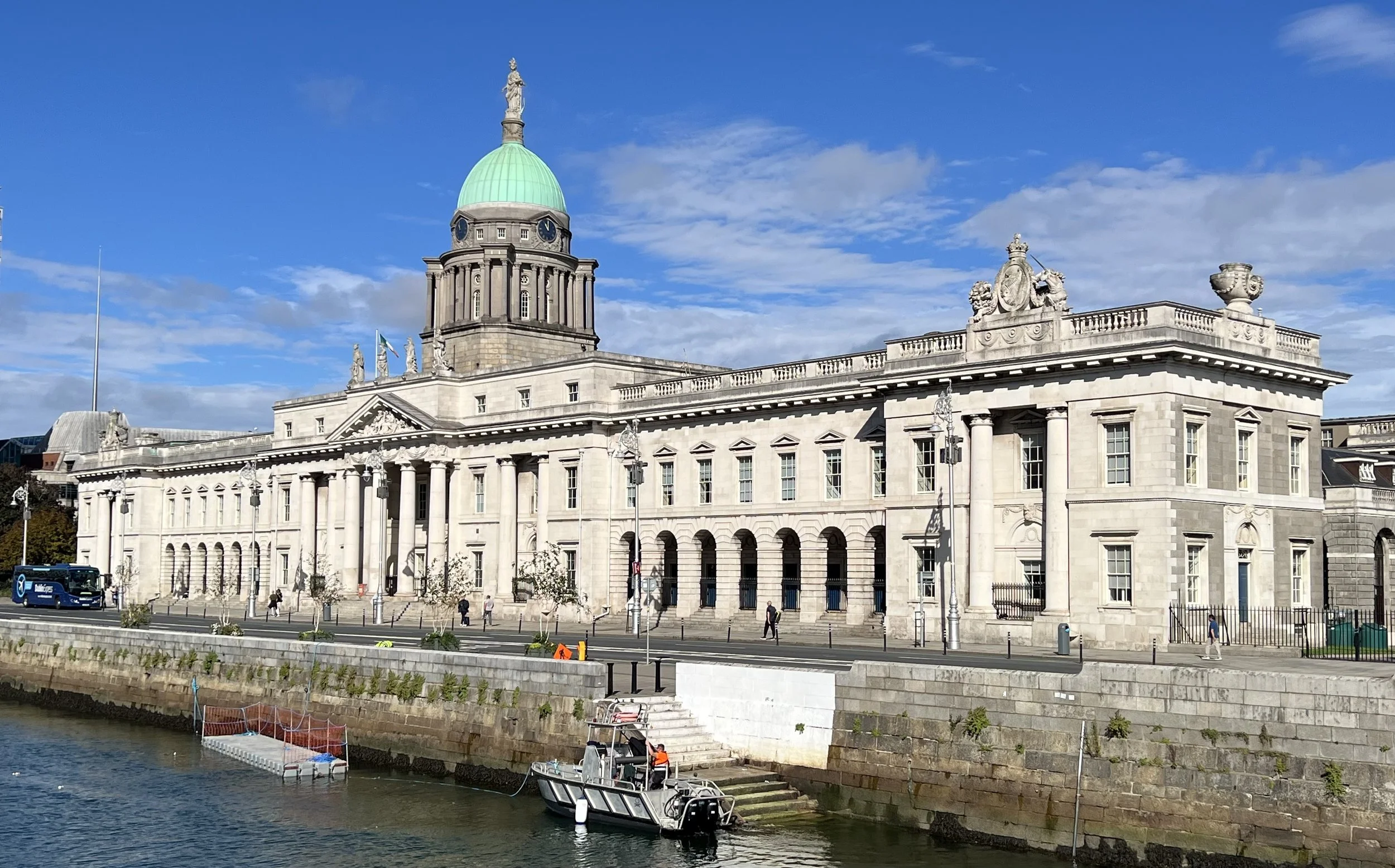
The Customs House.
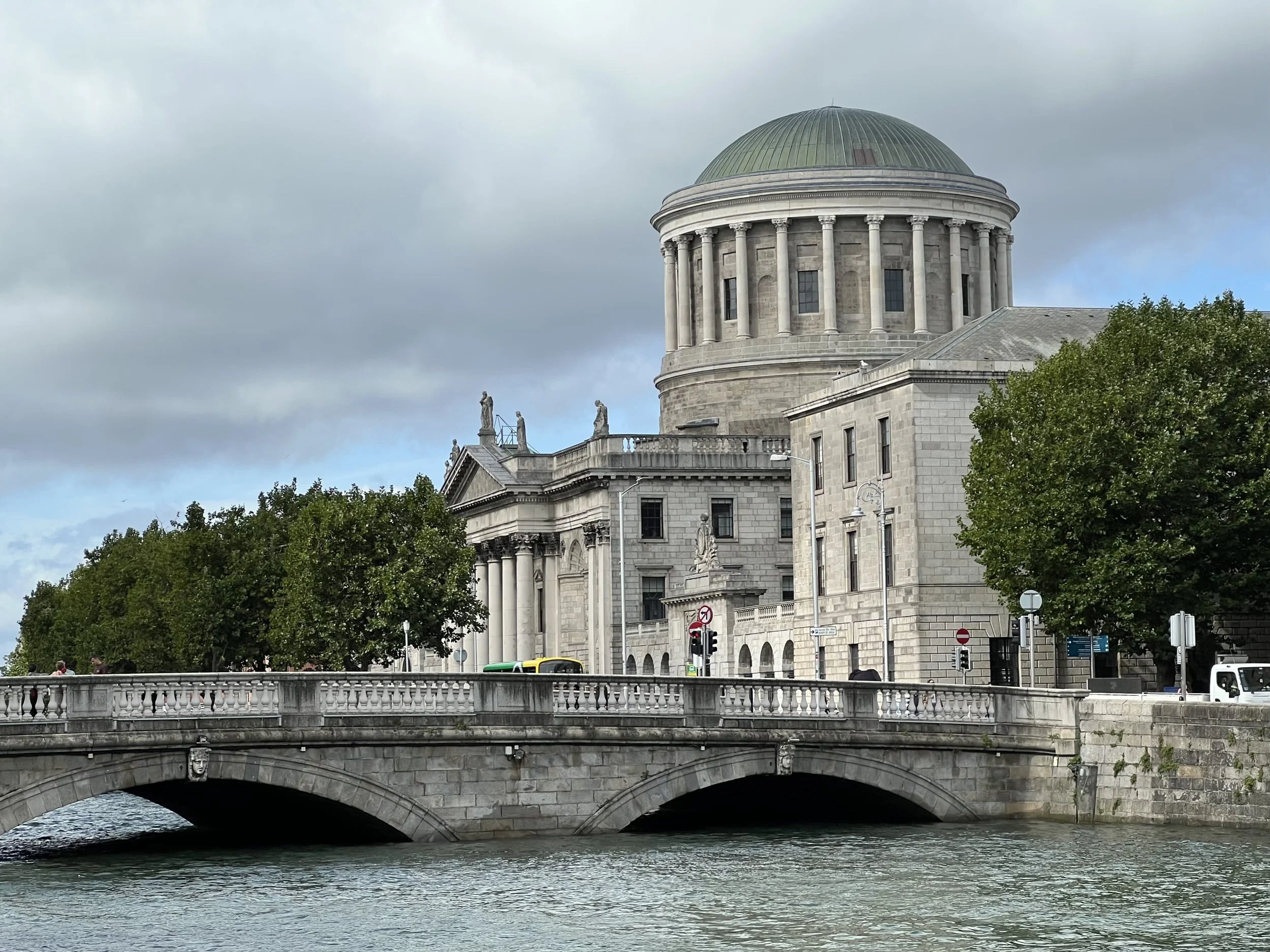
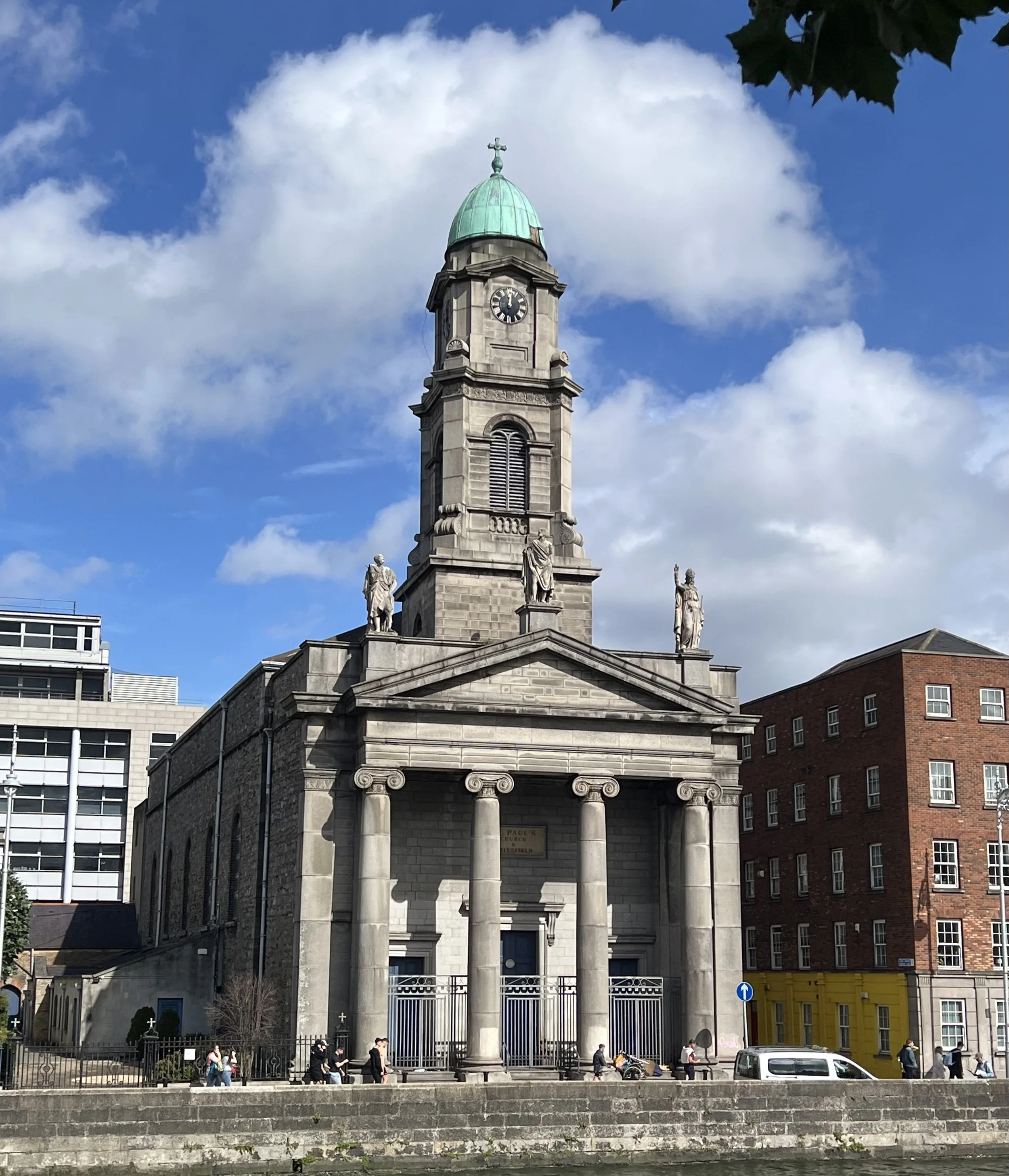
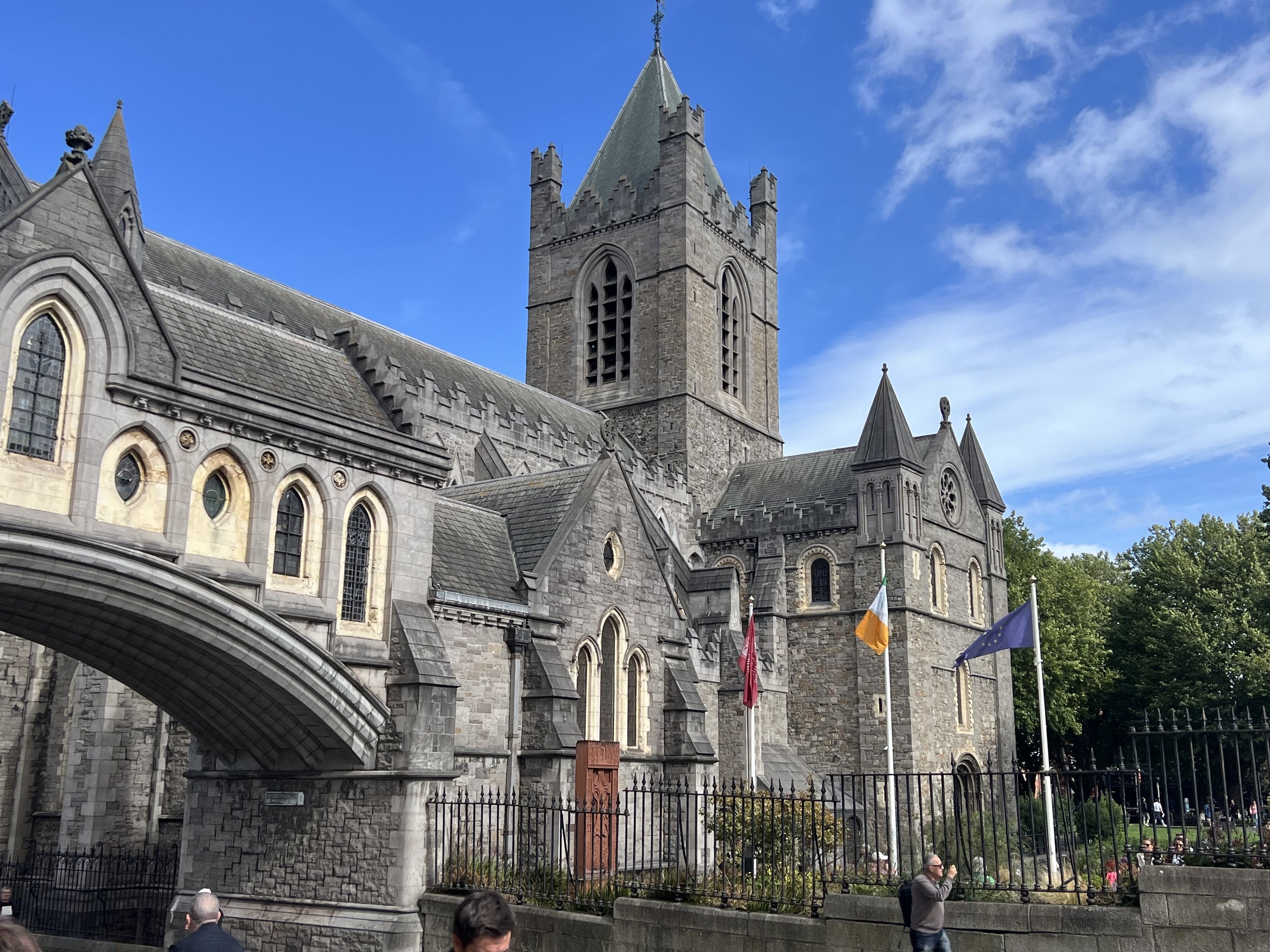
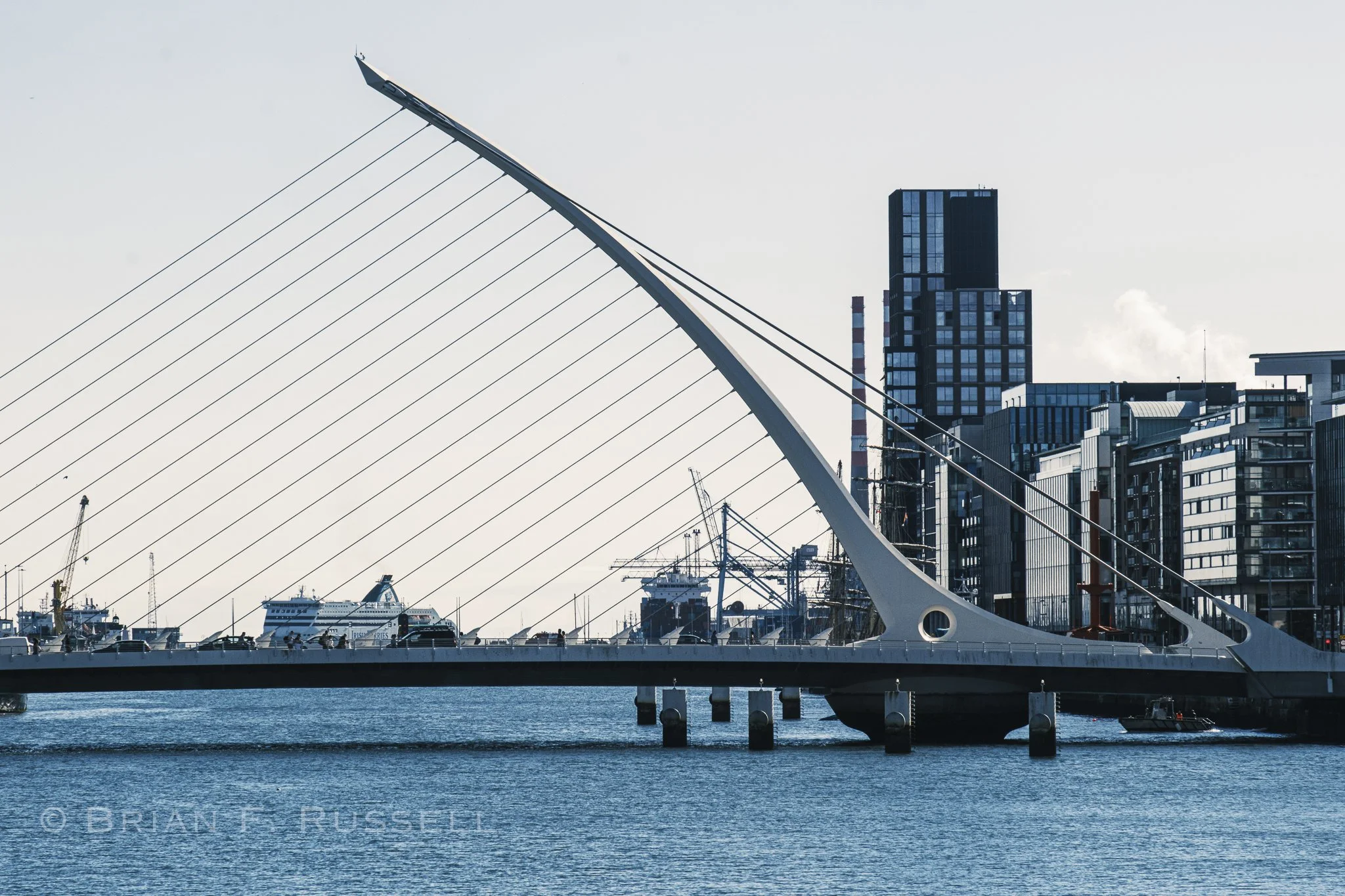
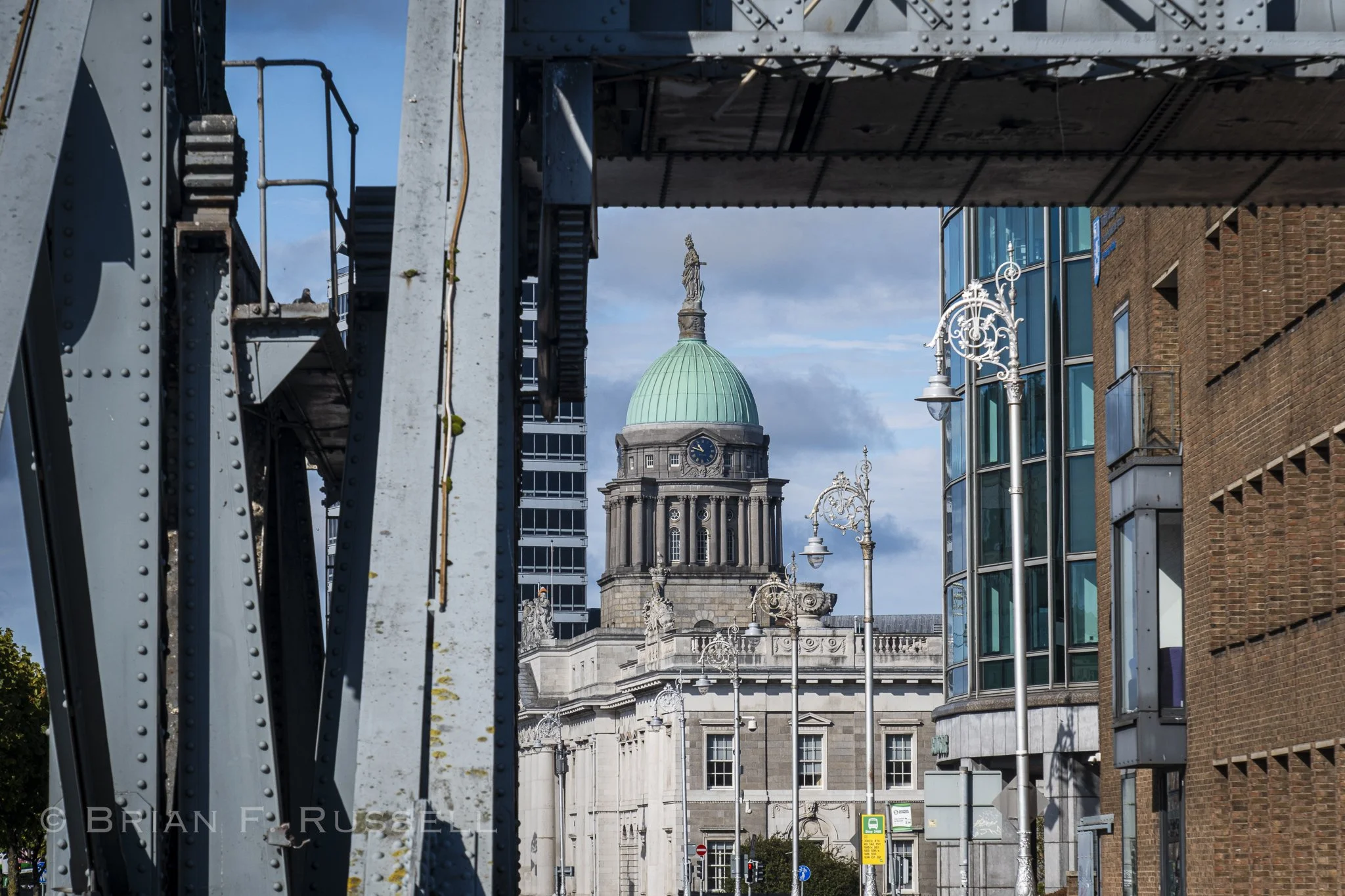
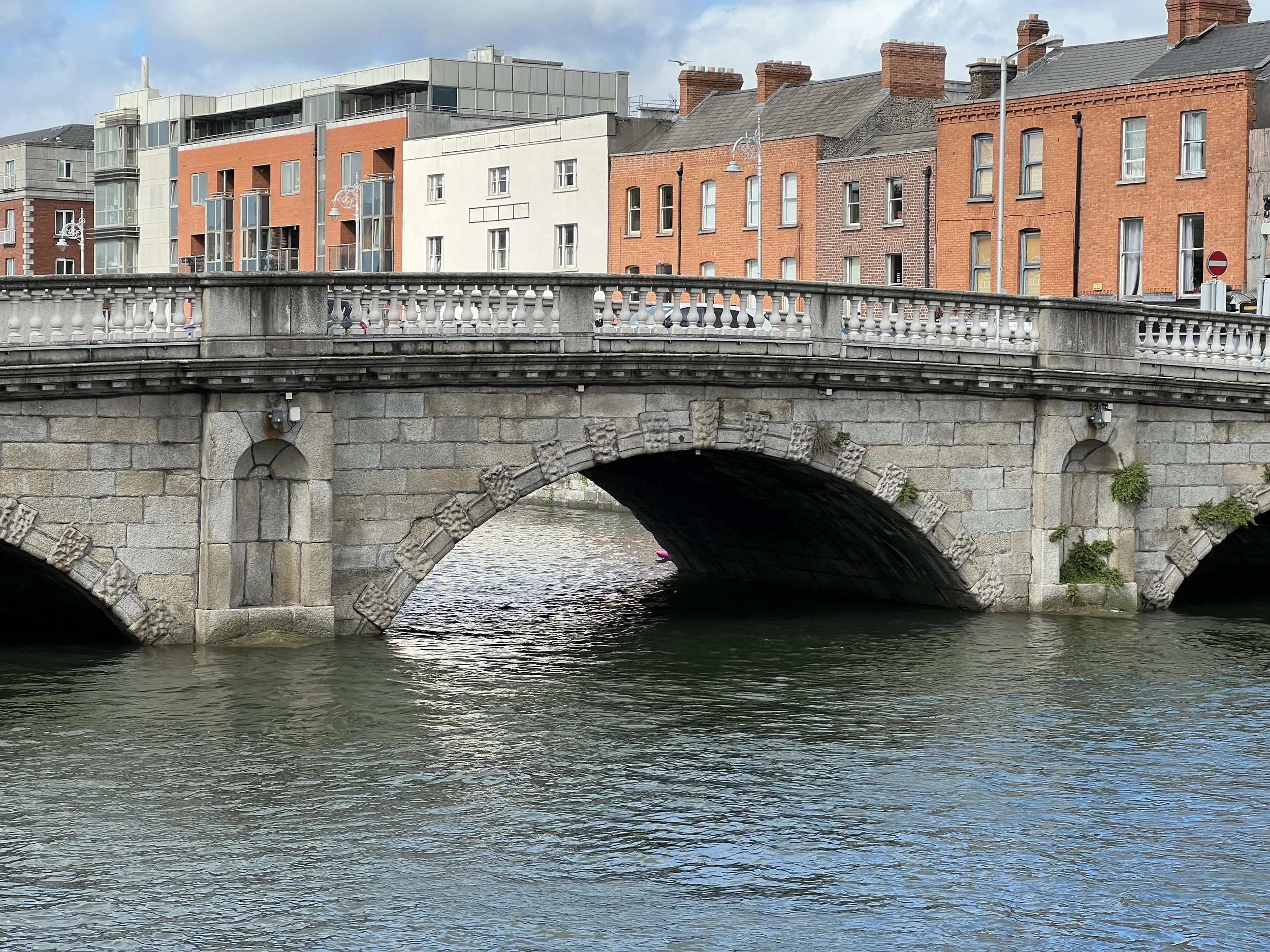
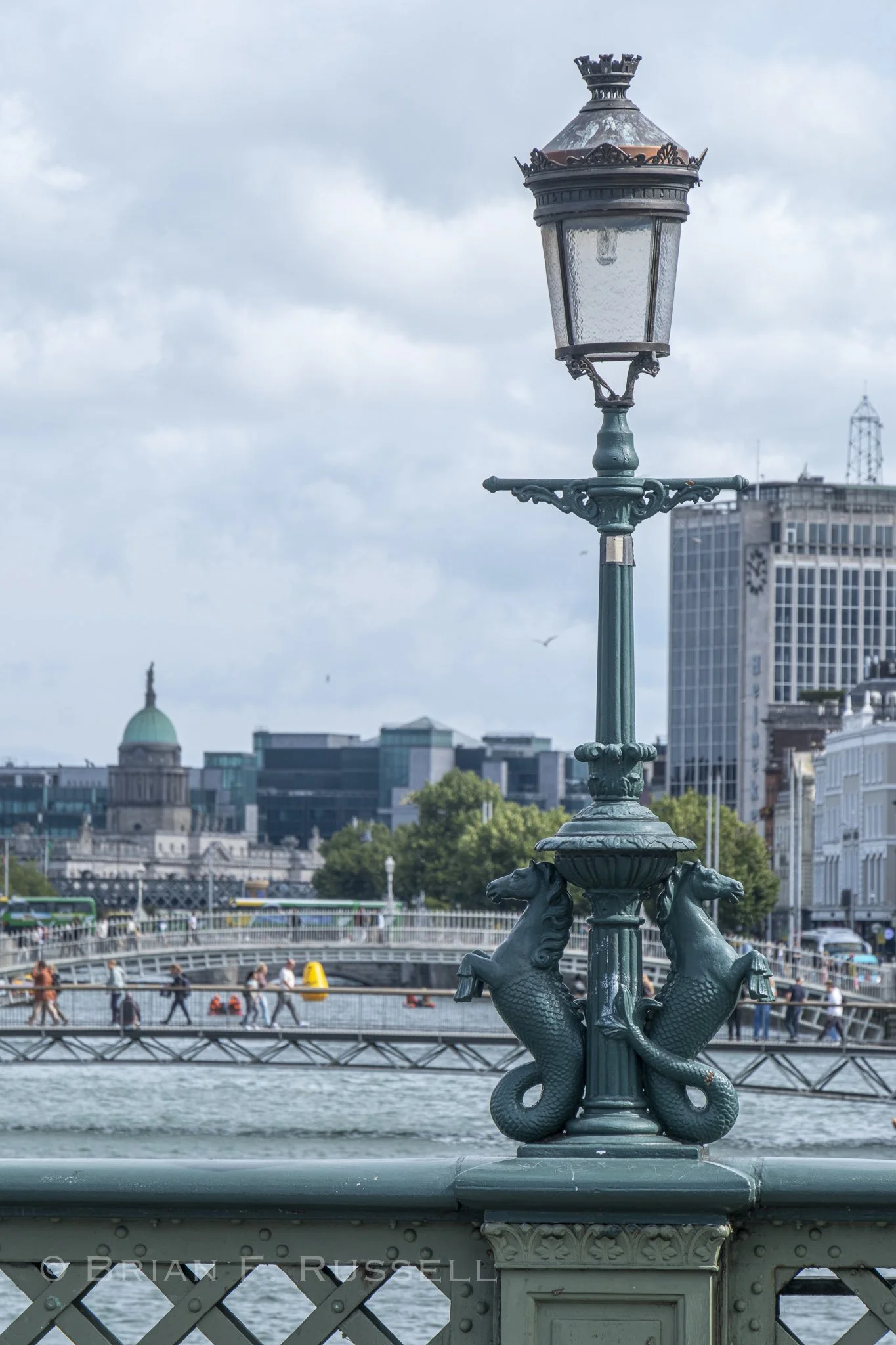
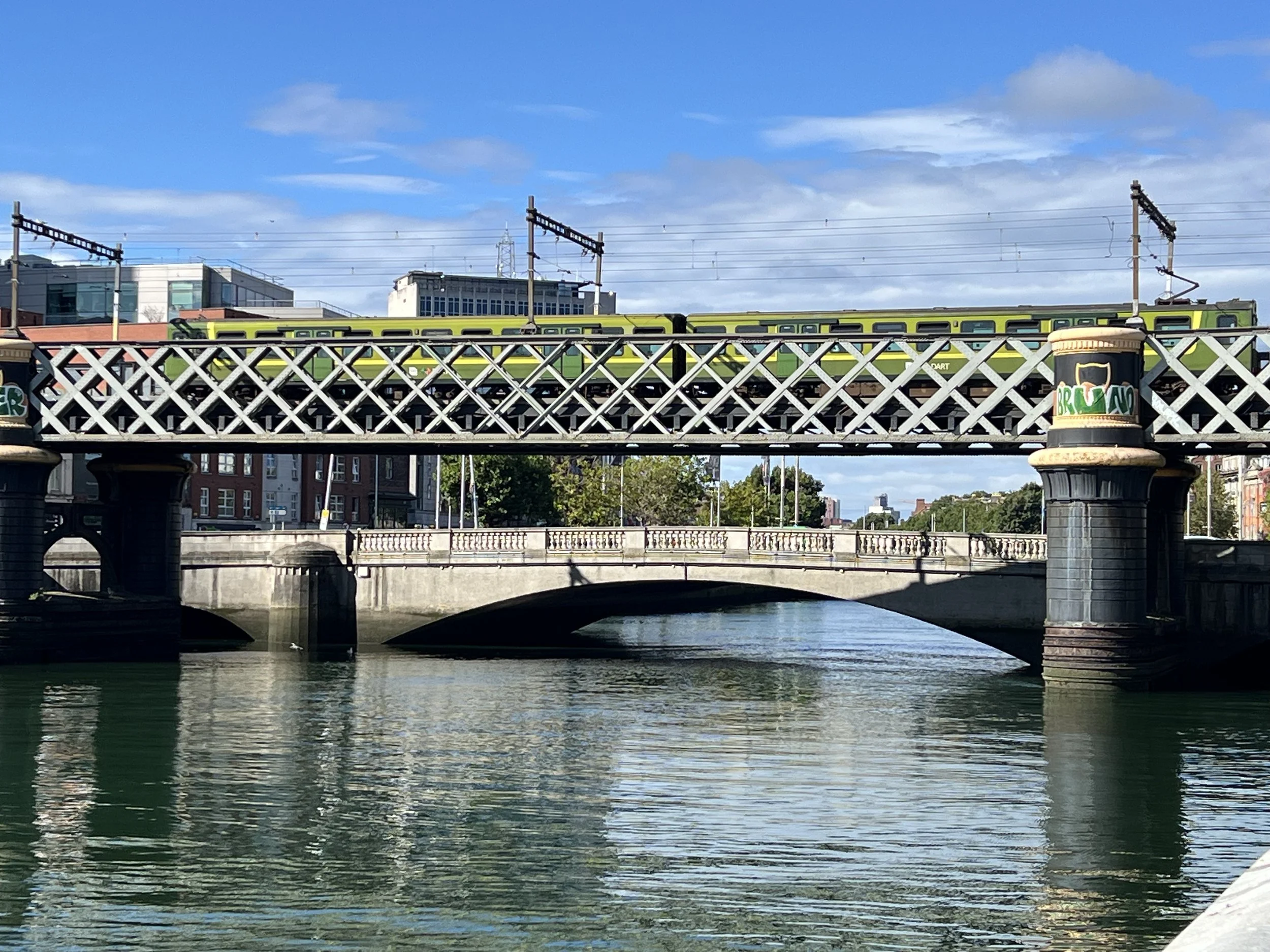
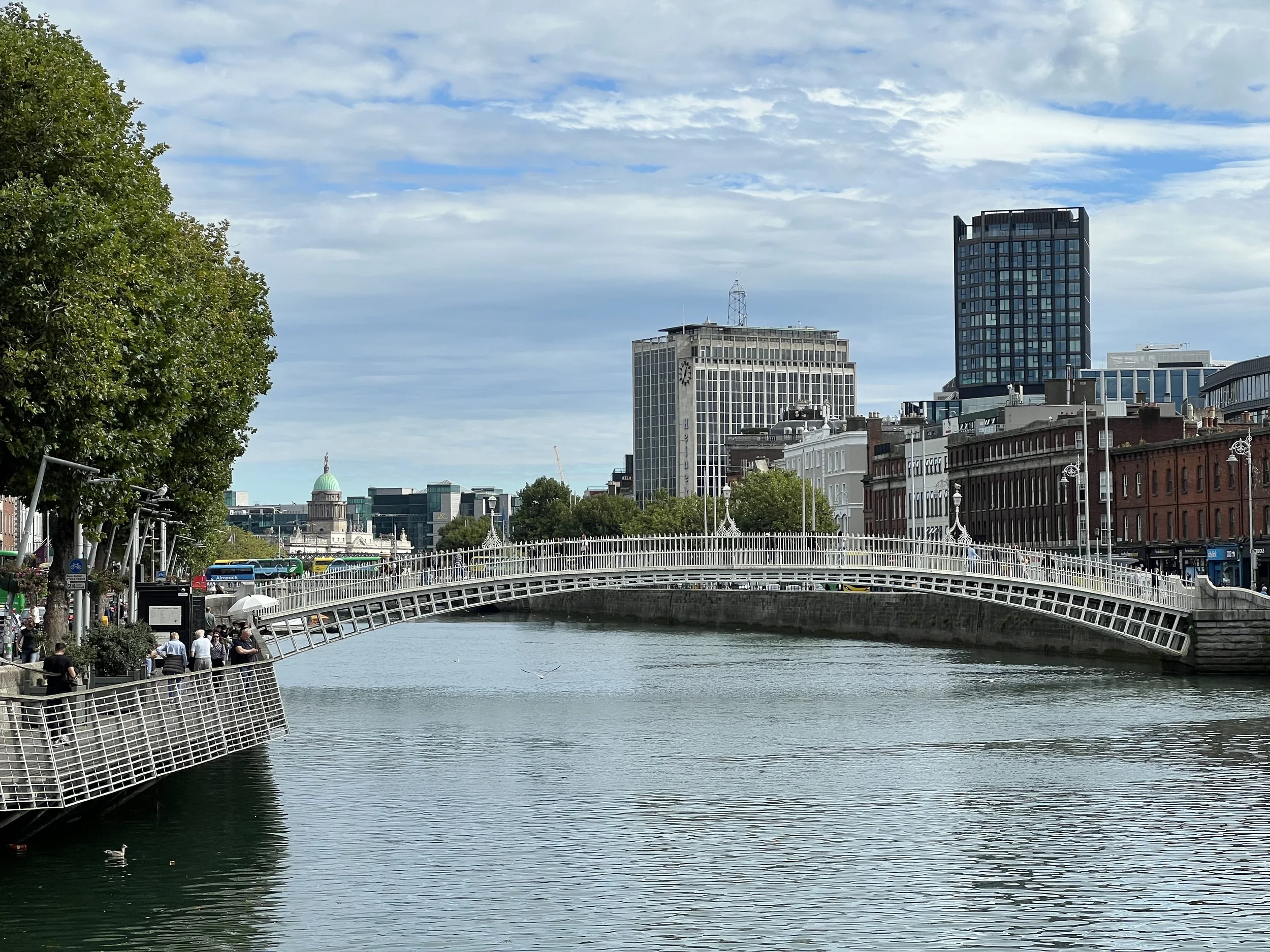
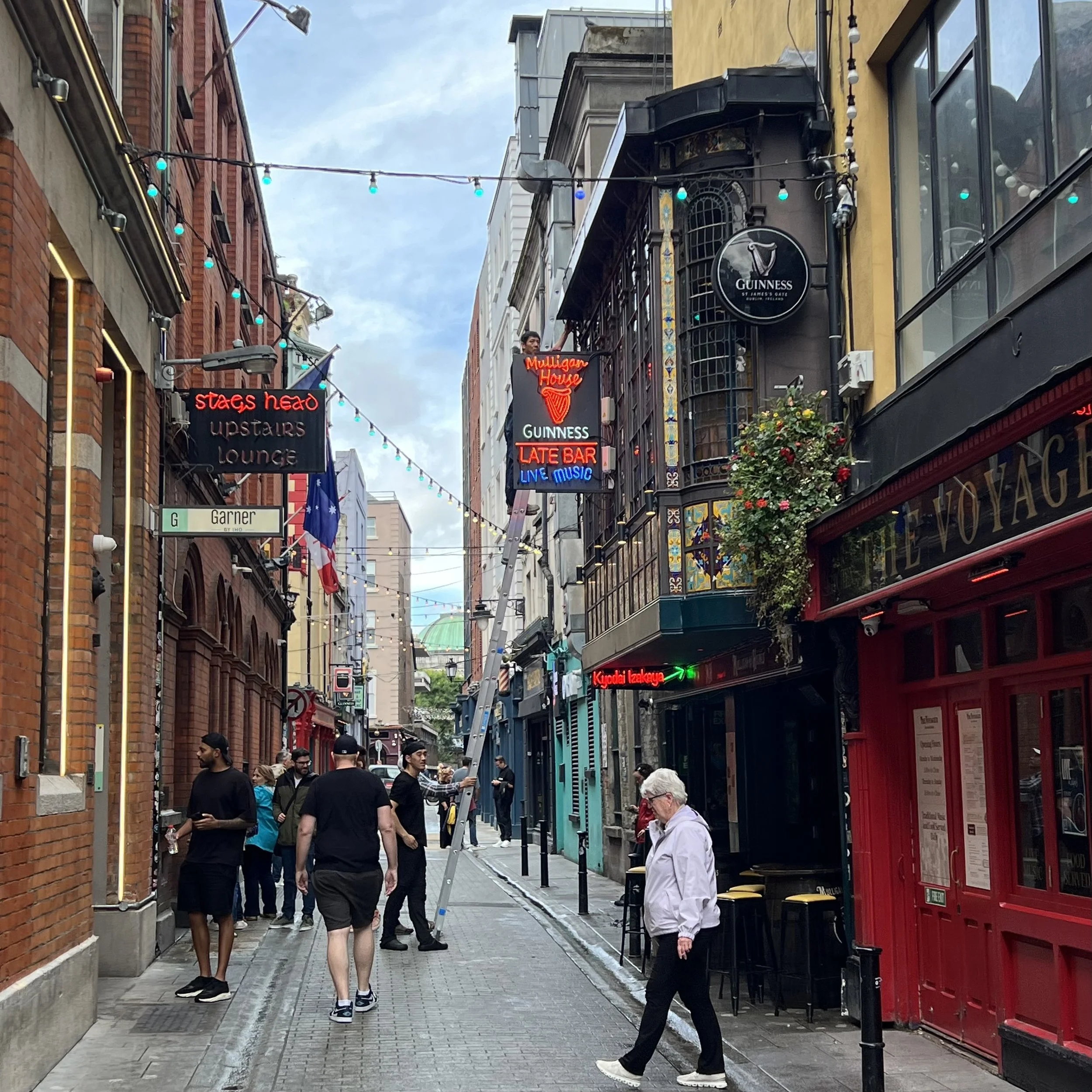
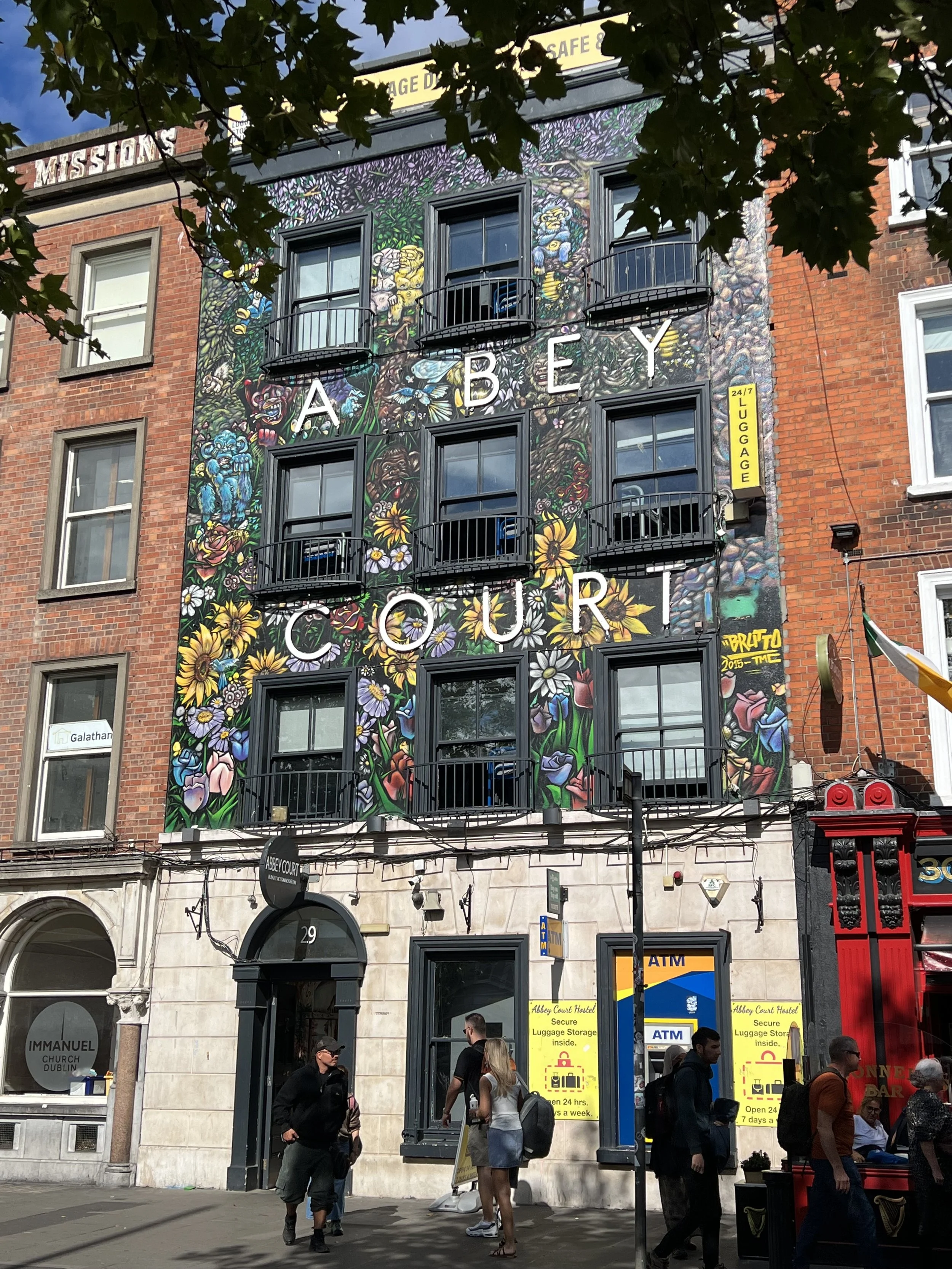
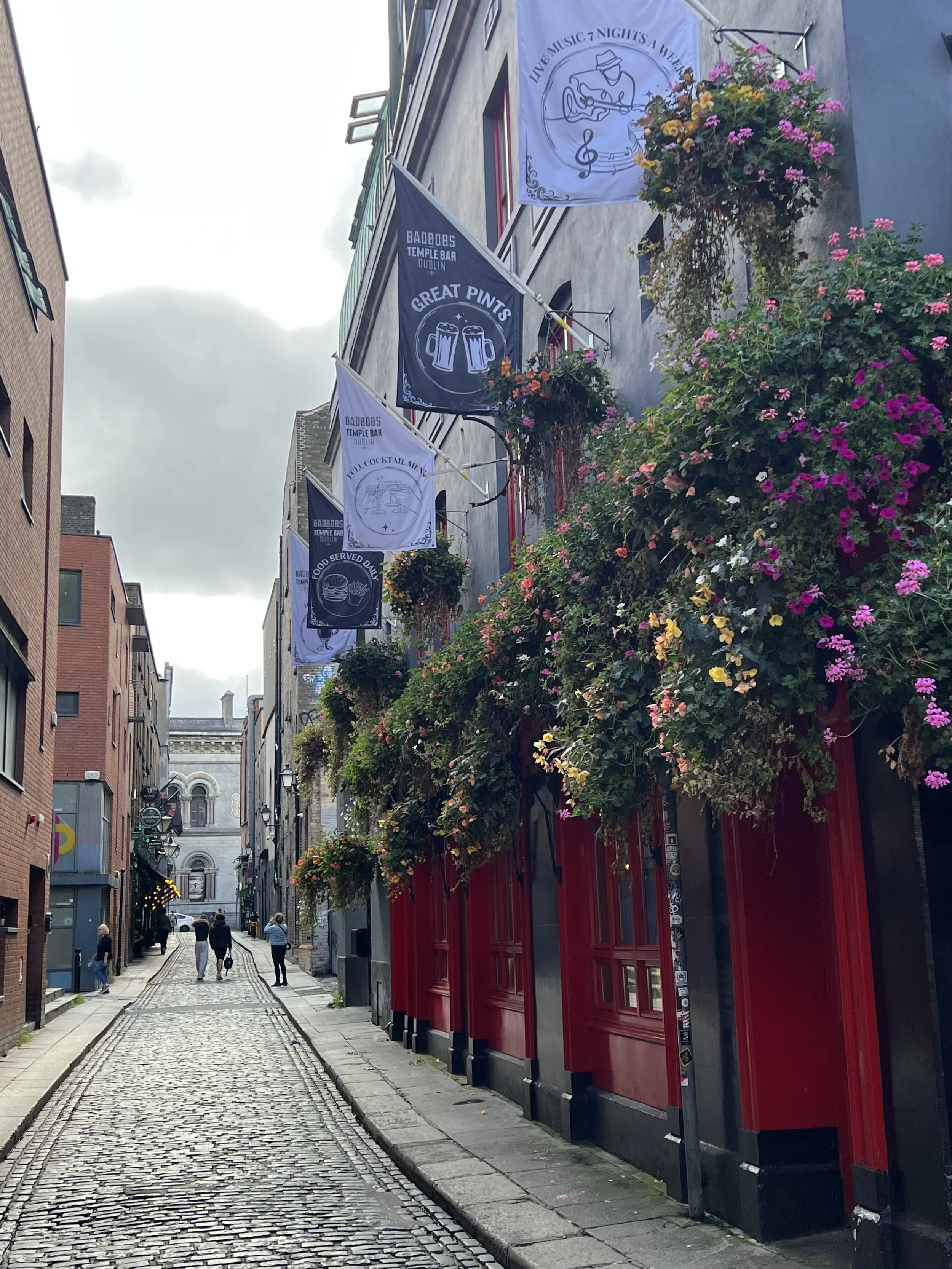
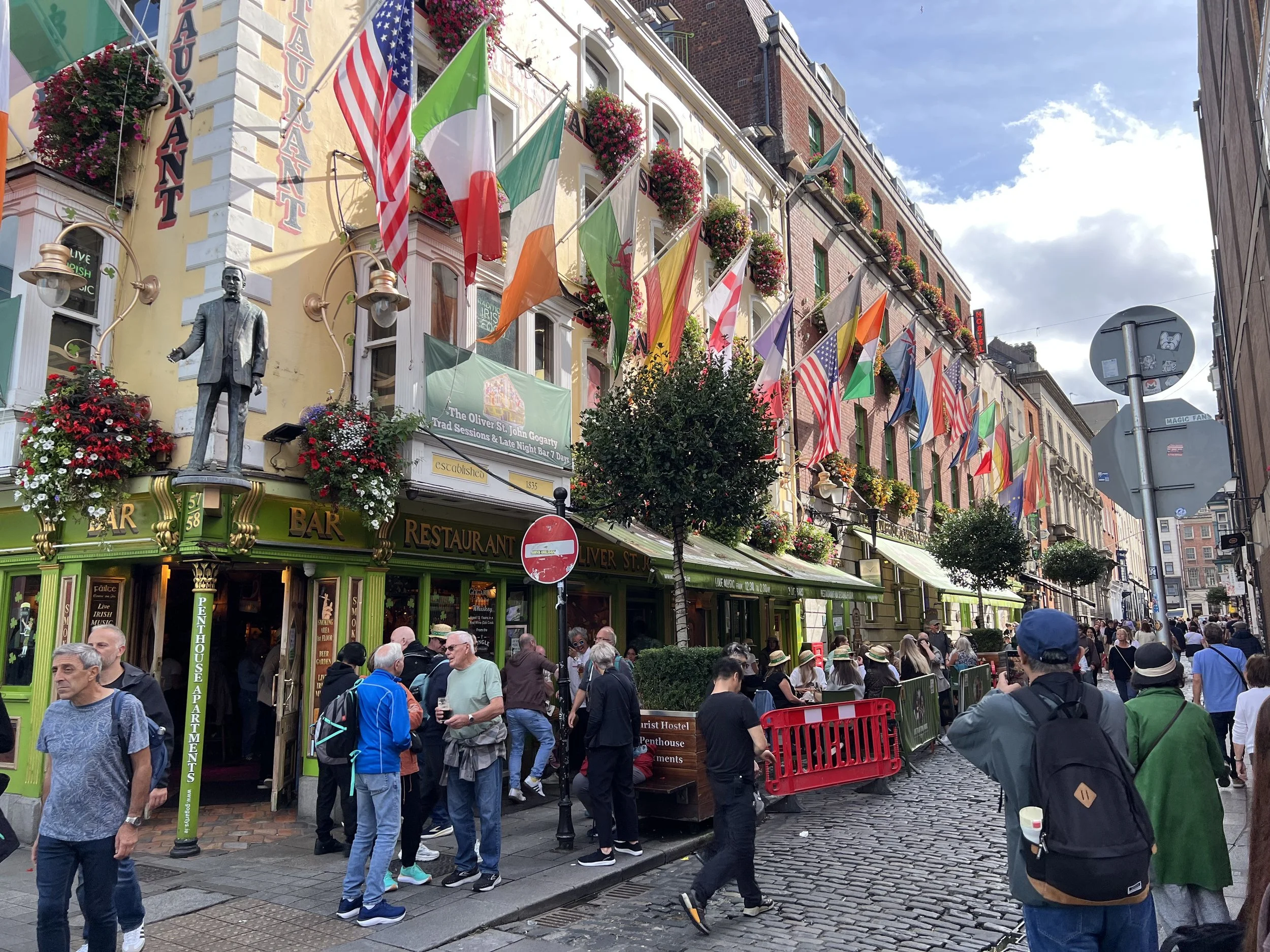
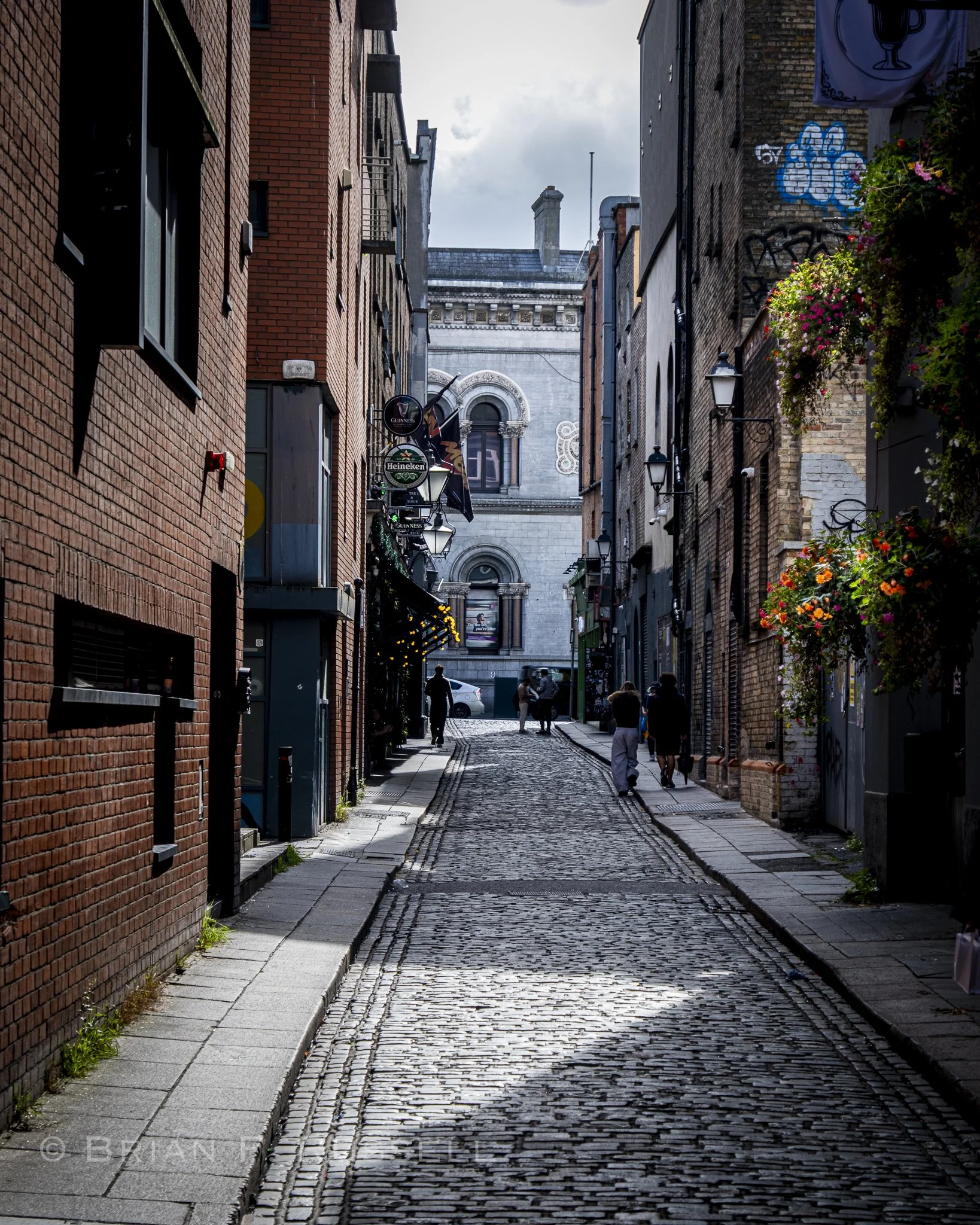
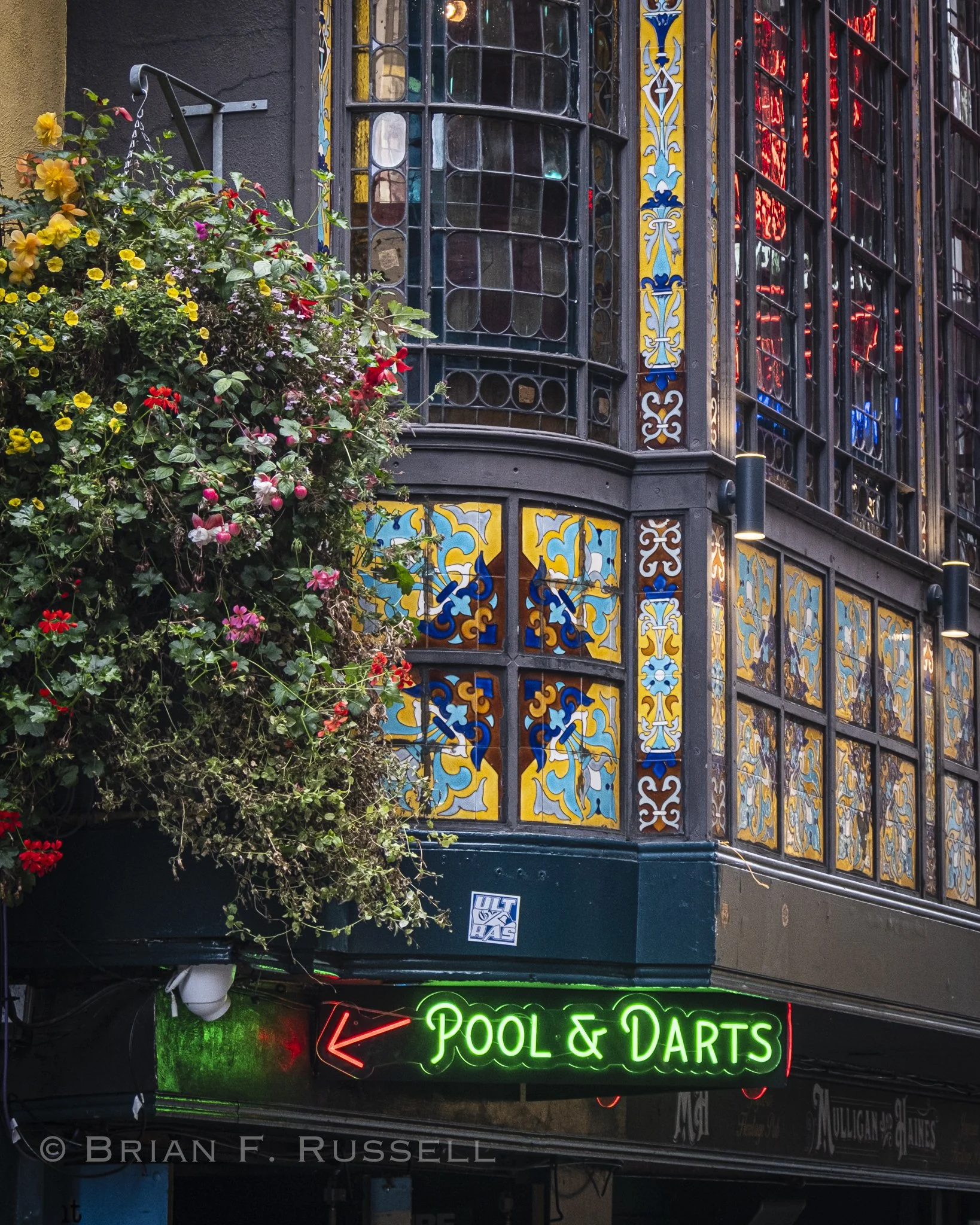
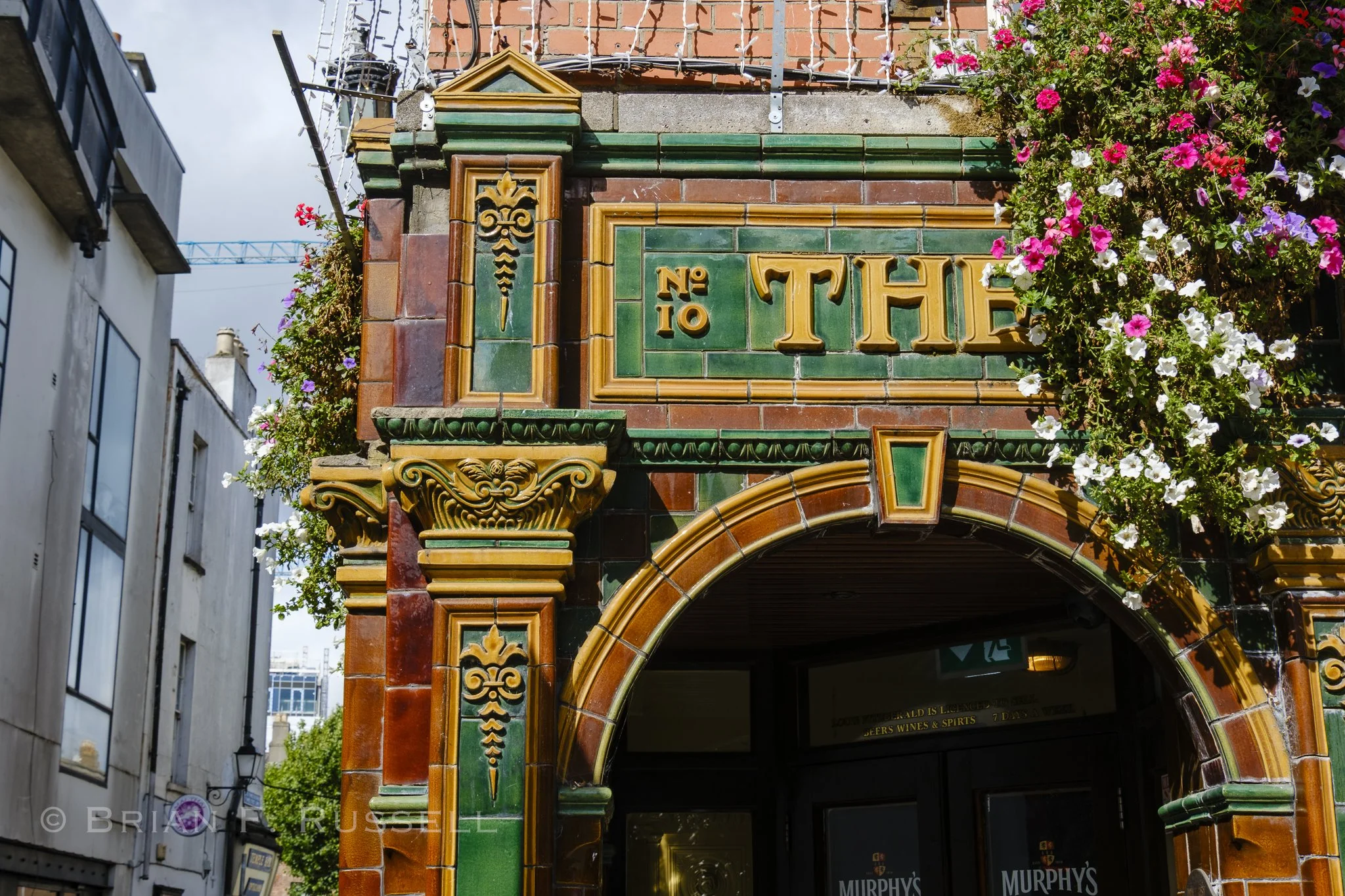
The tourist area was fun to walk around with the bars all spilling out into the street in the warm weather, the bunting and overflowing window boxes of flowers. Molly Malone’s statue of course, but there were also reminders of the turbulent history Ireland has suffered.
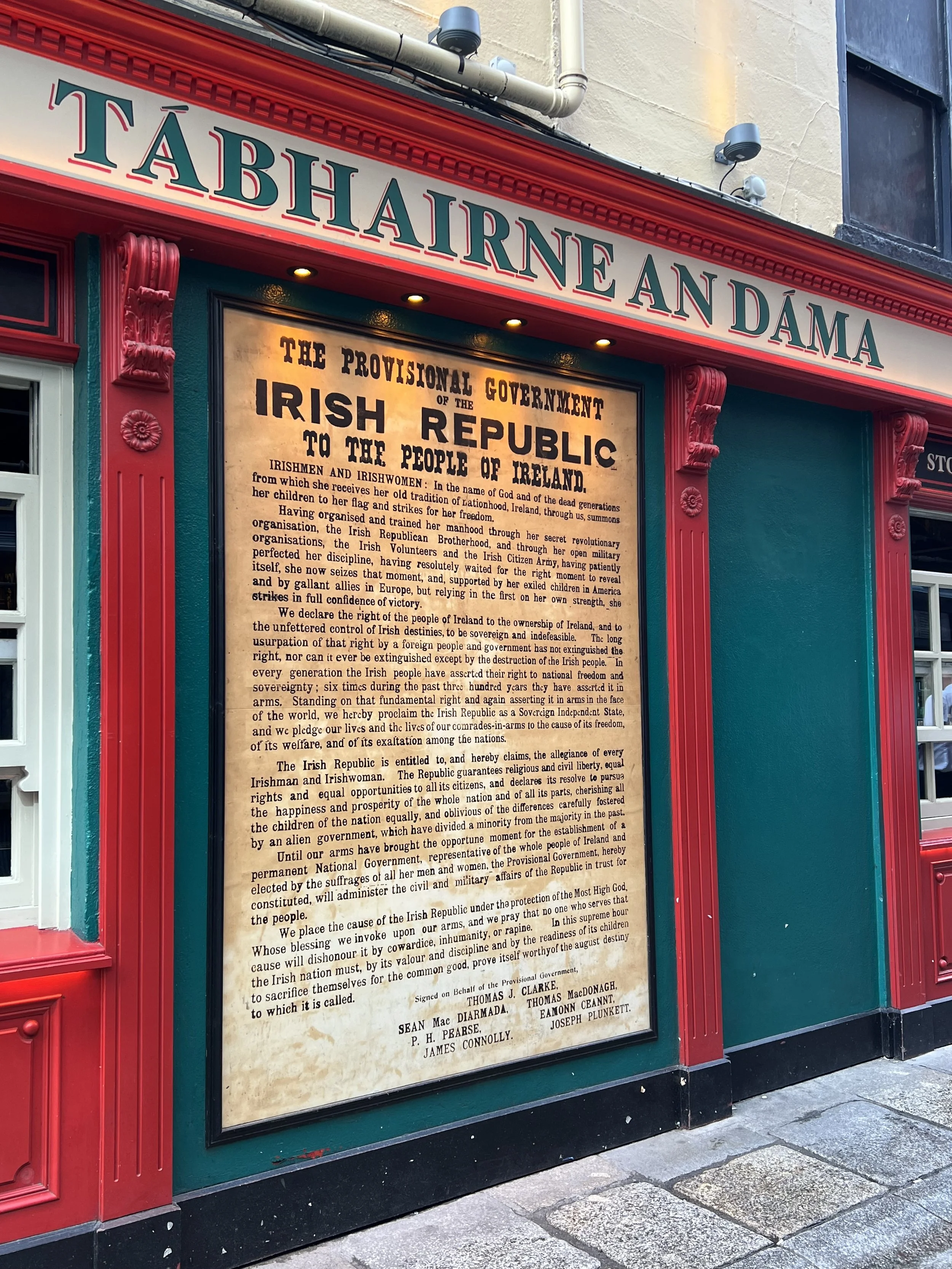
The Proclamation of the Irish Republic.
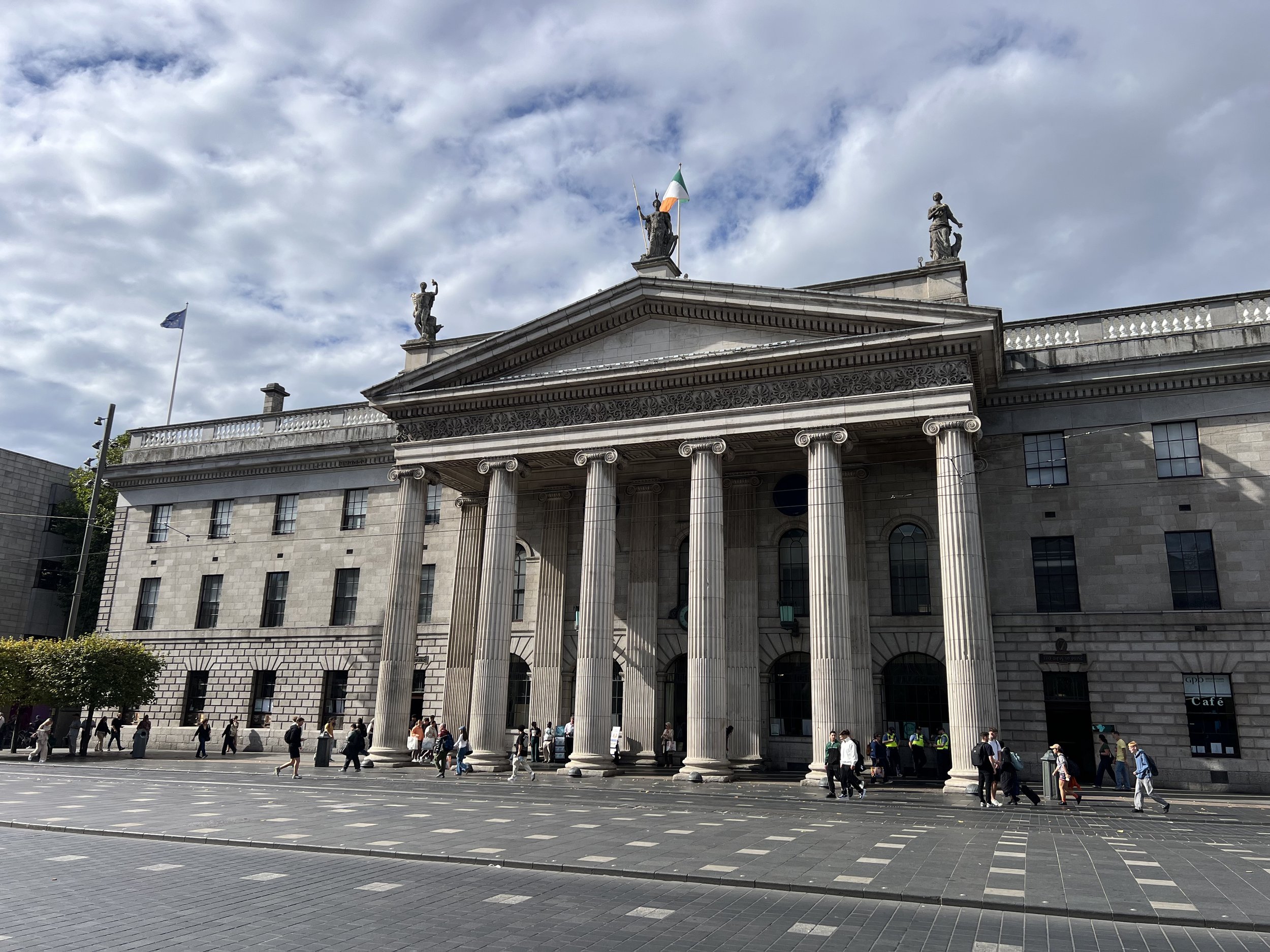
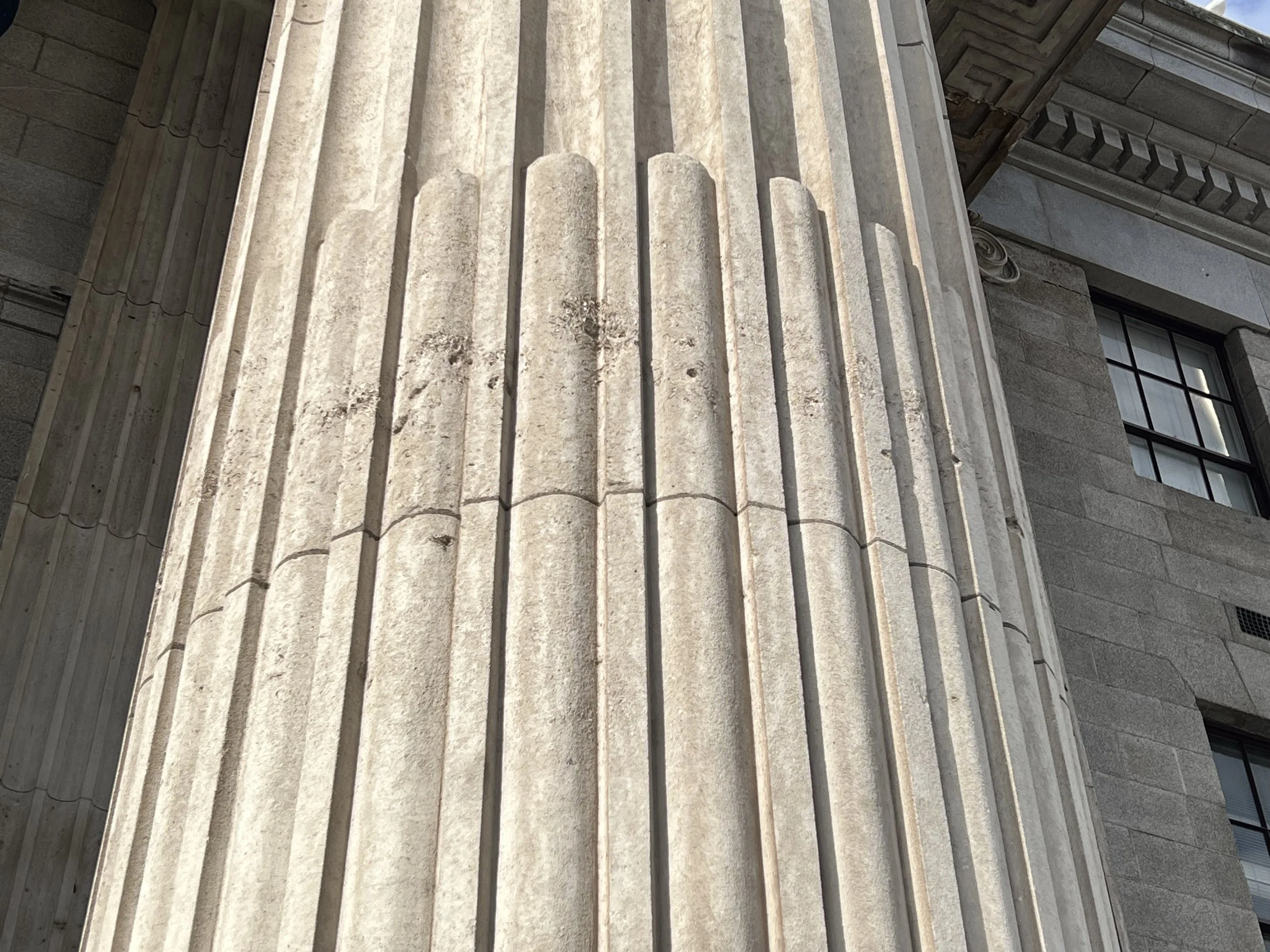
The Proclamation was first read out at the General Post Office in Dublin, Easter Monday 1916, starting the Easter Uprising and the push for Irish independence. At this time the Post Office building was an important and strategic site, controlling the communications for the whole of Ireland. We visited the Post Office, an imposing building that still stands, with lines of bullet holes from machine gun fire of the British forces trying to evict the Irish rebels from the building.
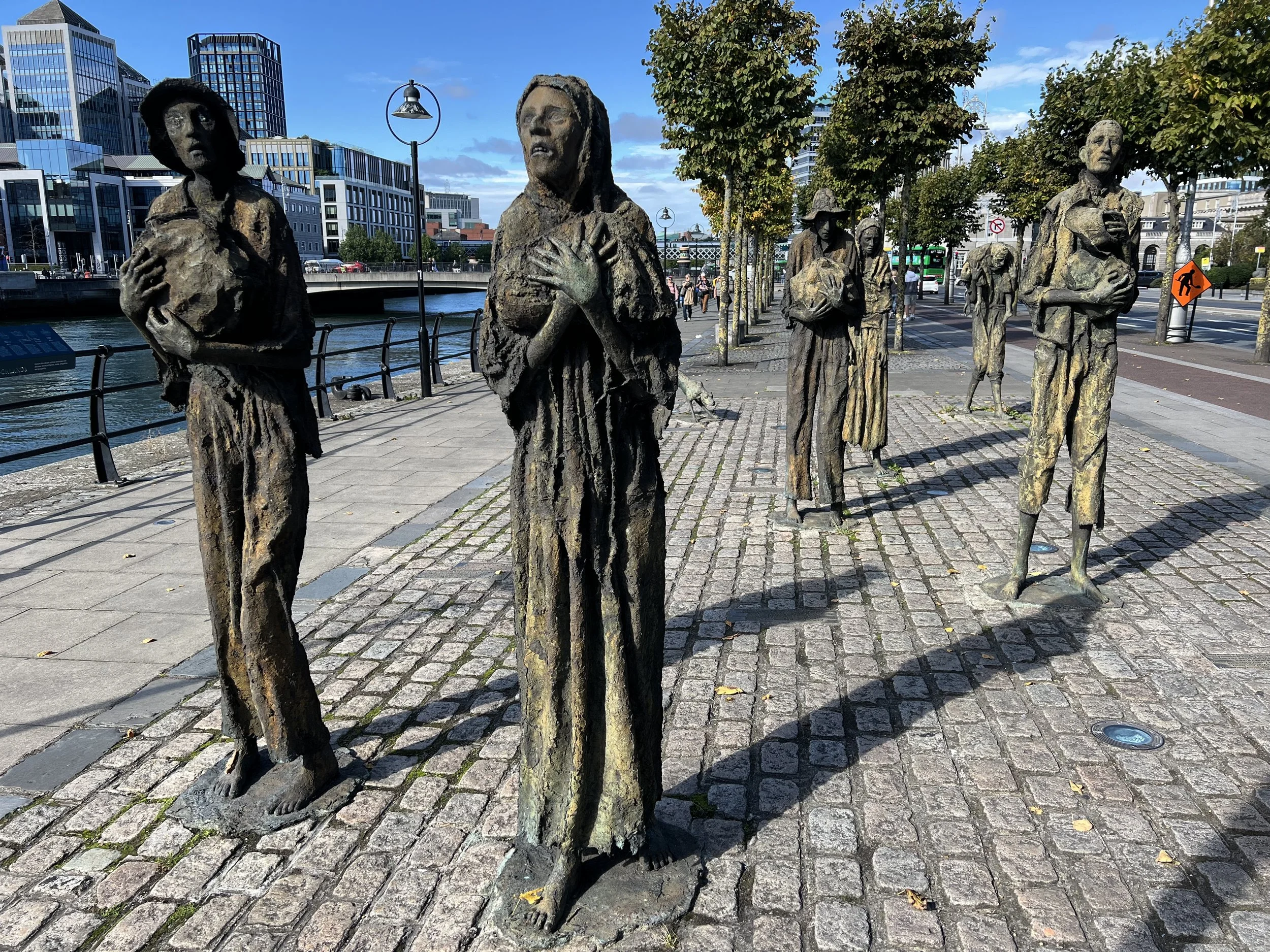
In addition to the political problems, the potato famine of the late 19th century, leading to mass emigration from Ireland, was starkly memorialized in the sculpture by Rowan Gillespie.
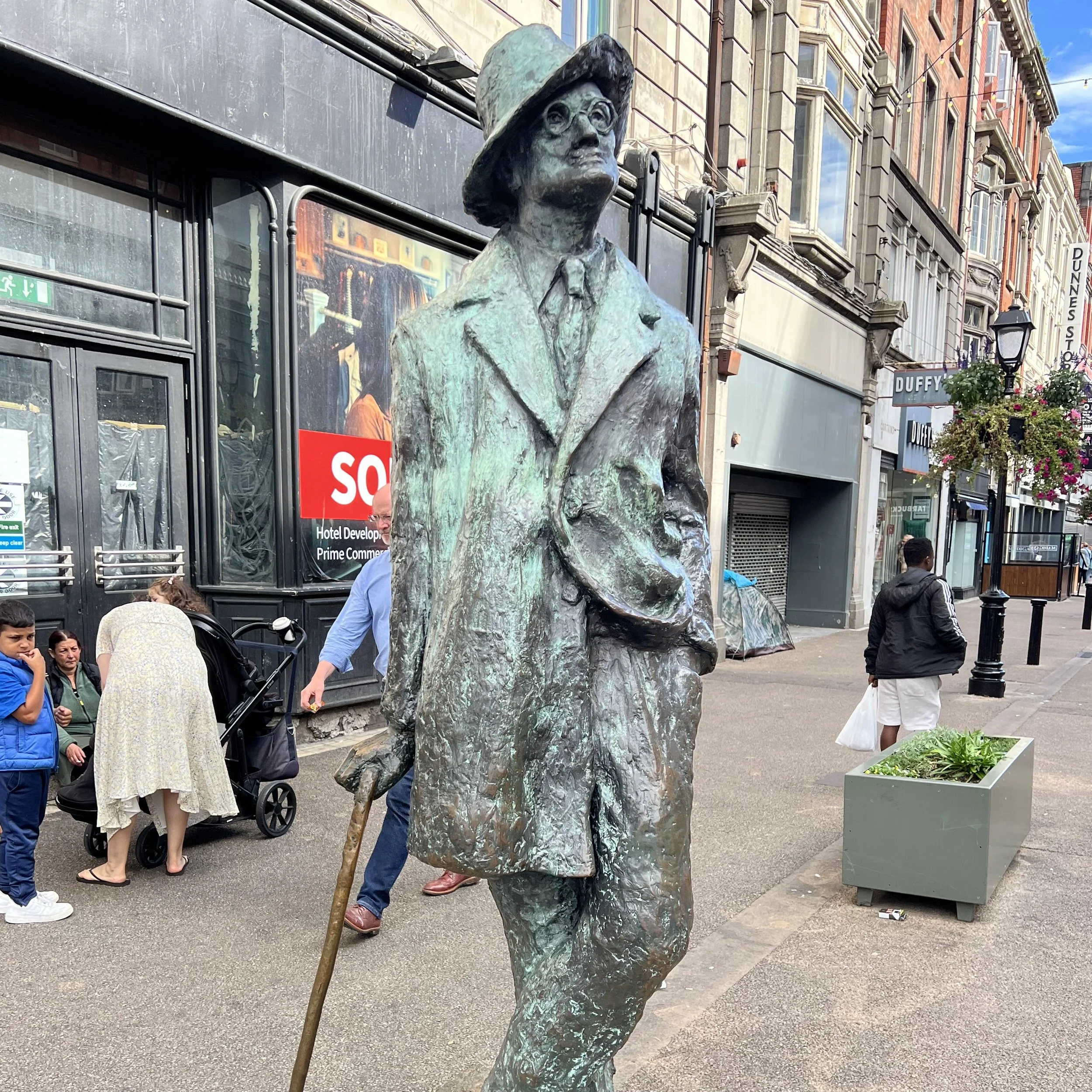
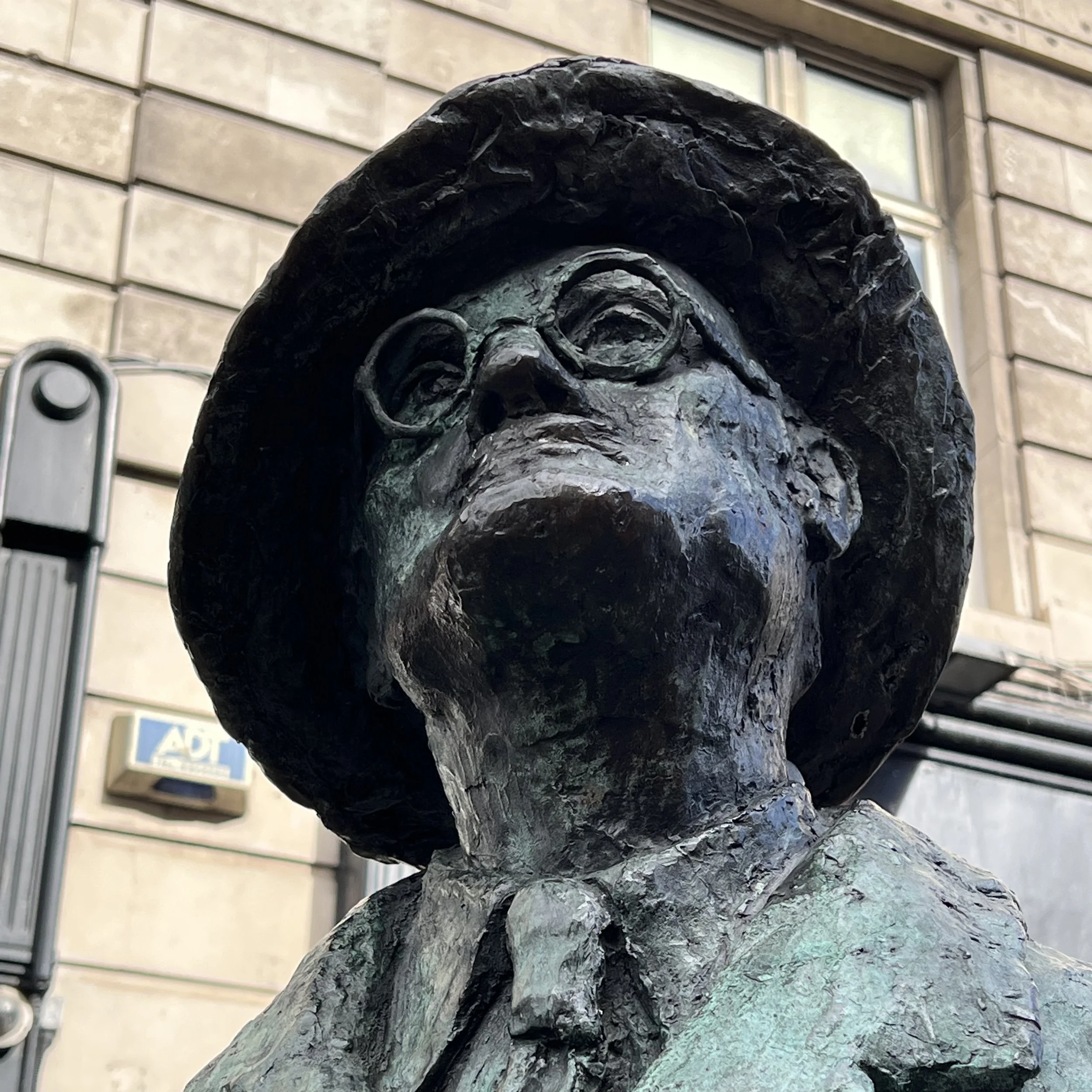
We paid homage to the statue of James Joyce, and bought a copy of Dubliners, now having visited Dublin and explored Ireland, maybe it would be a little more approachable. It is, barely.
We enjoyed the murals and reminders of the music that has originated in this city.
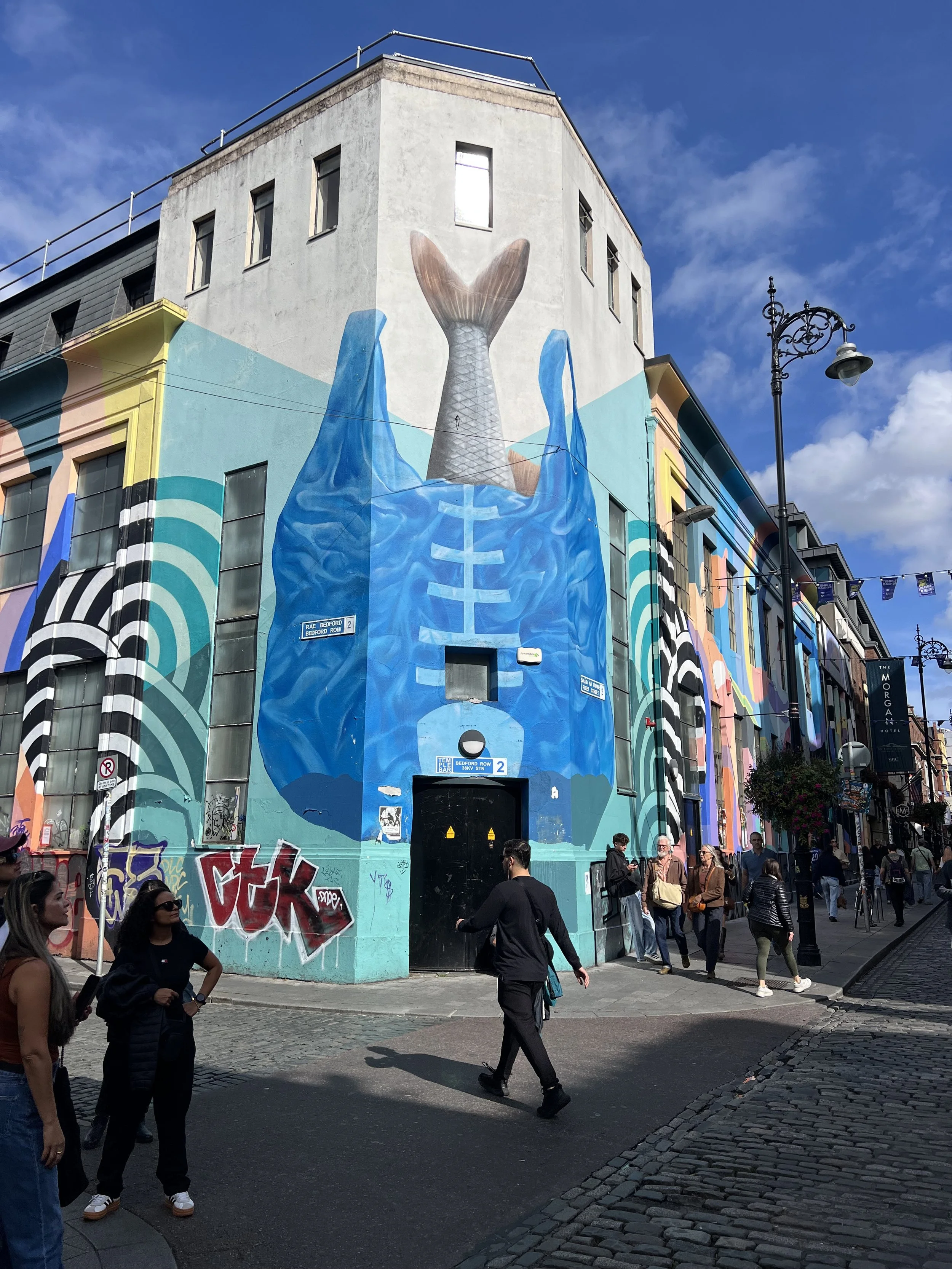
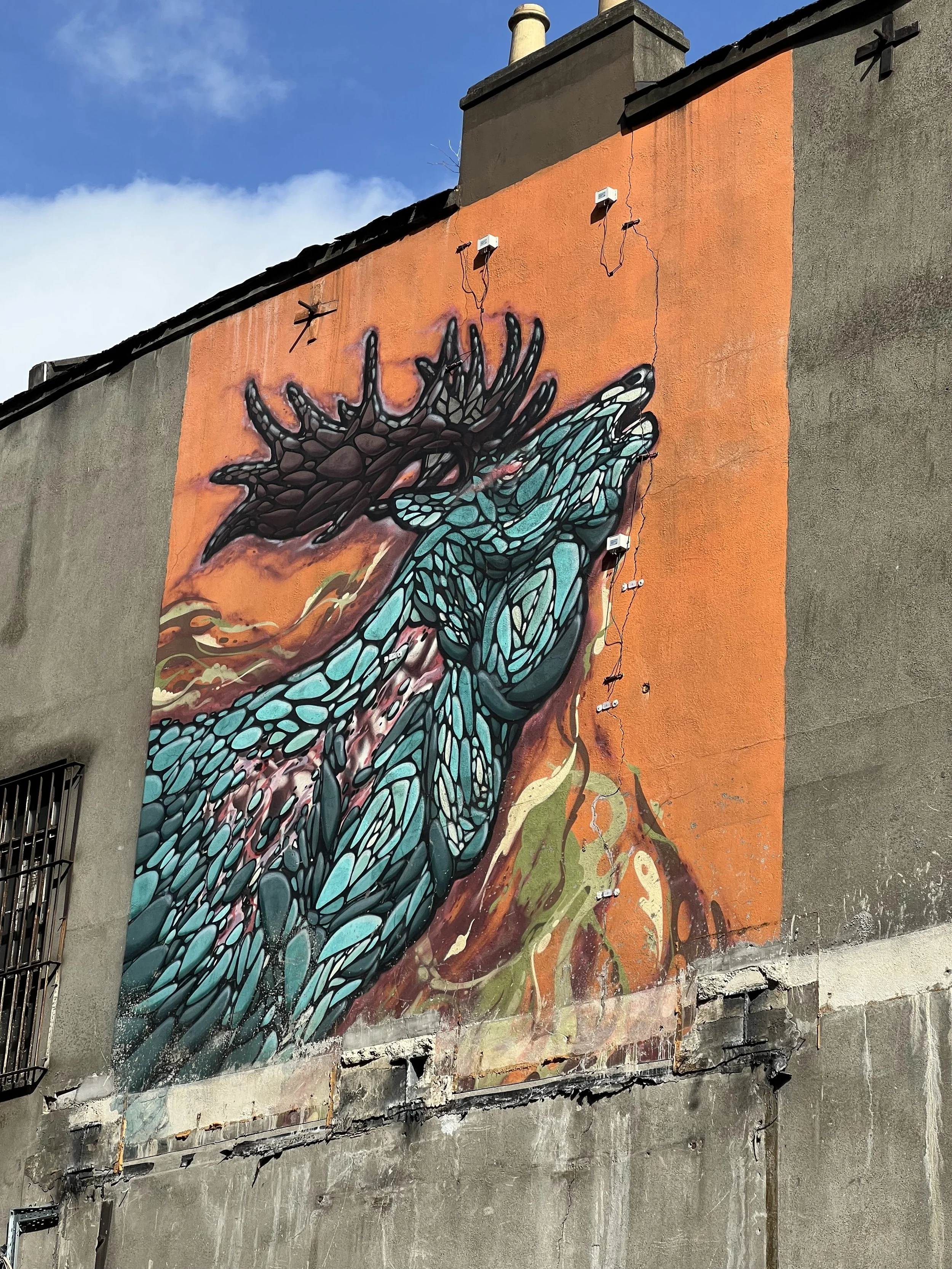
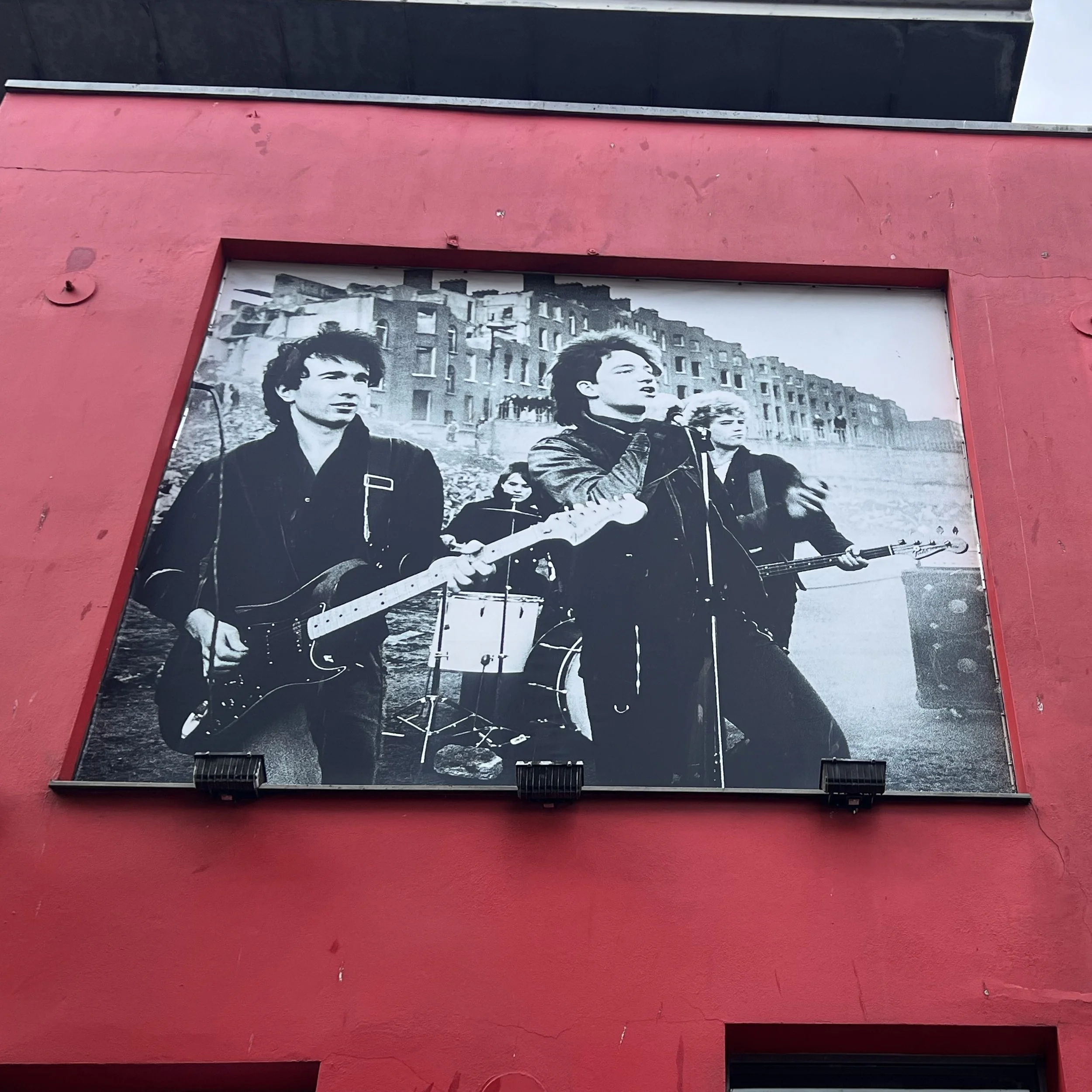
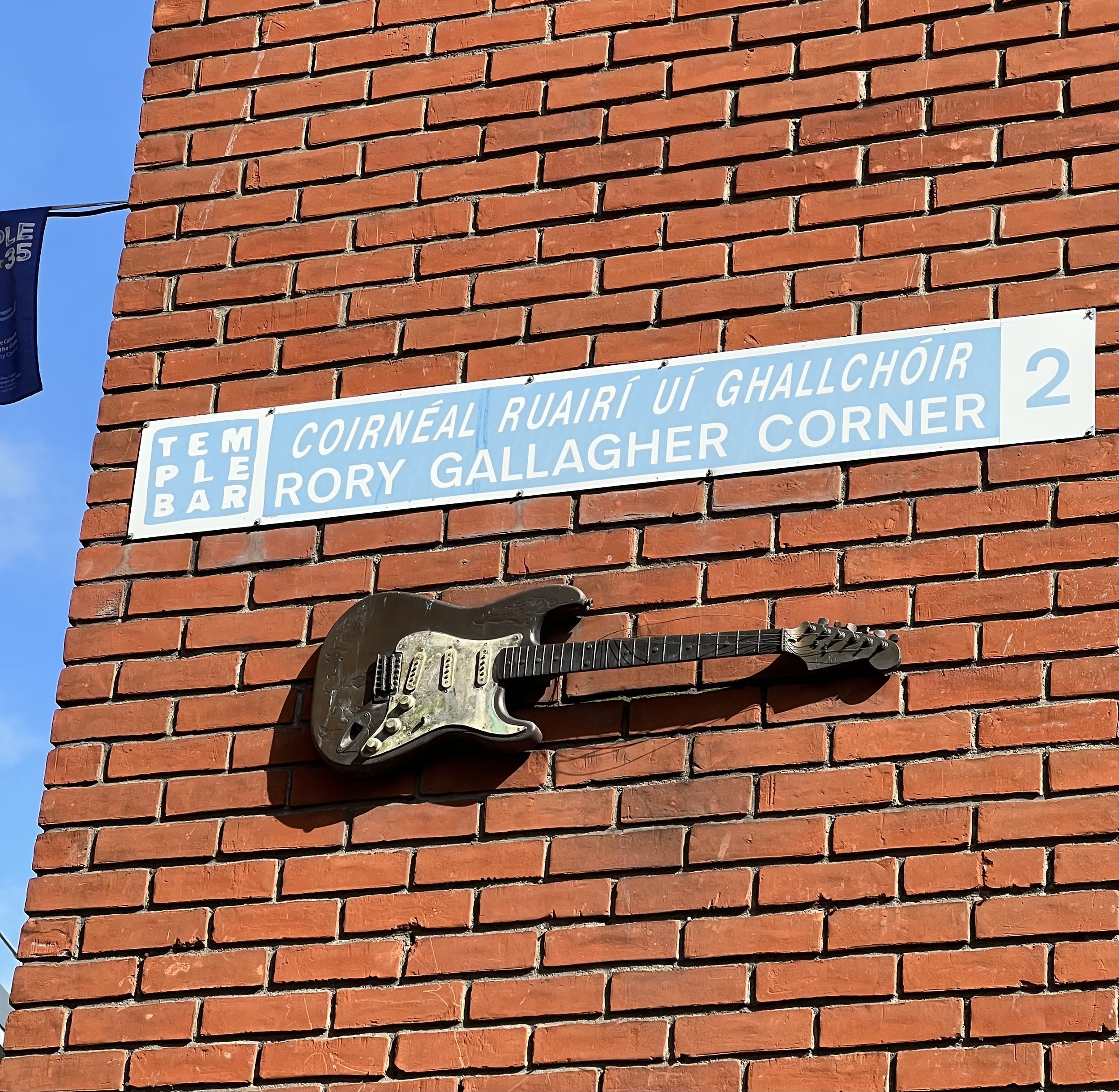
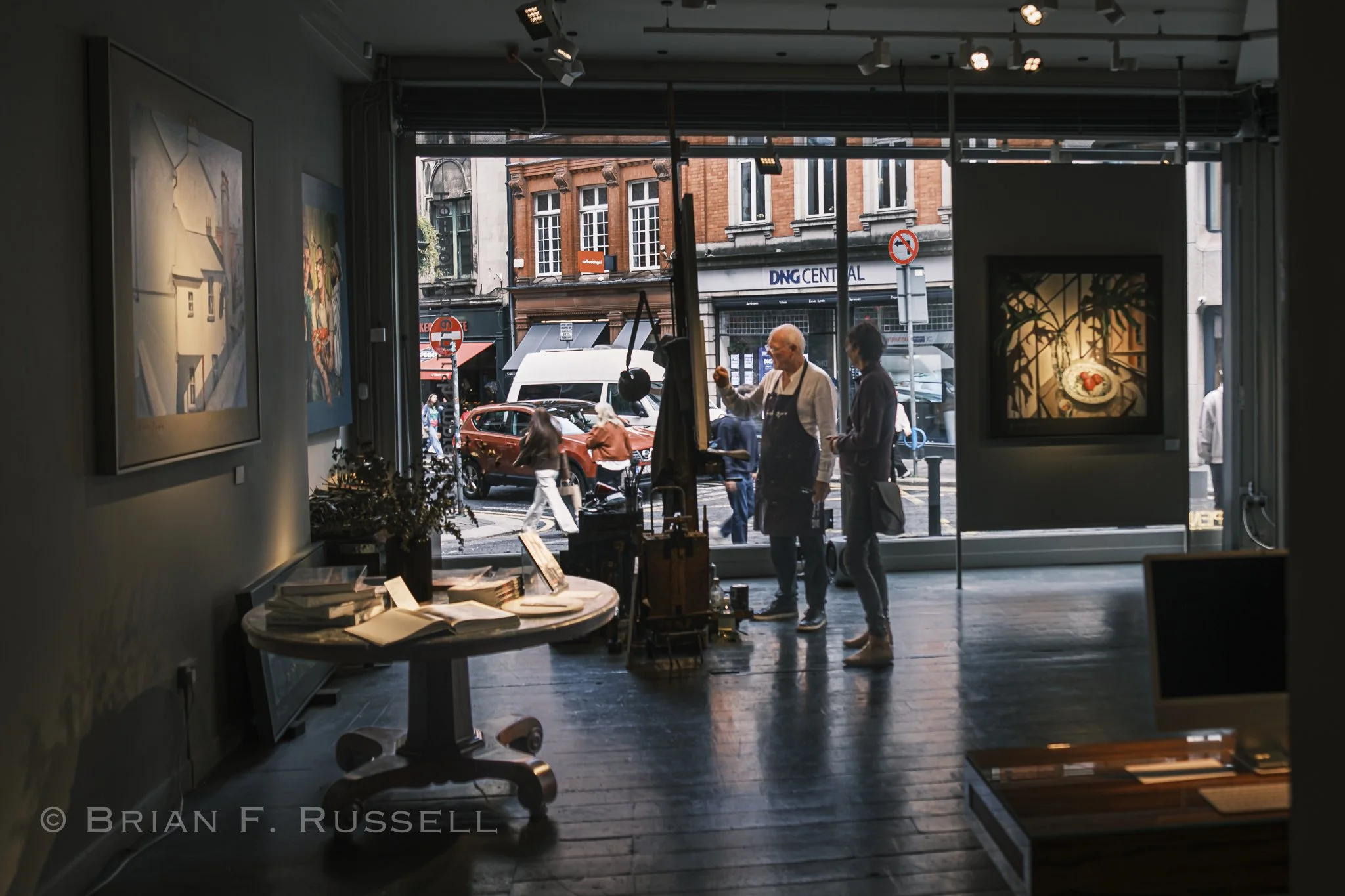
In addition we spent time in the National Gallery of Ireland. Despite all the old masters, it is the building itself and the more modern art that appeals to me.
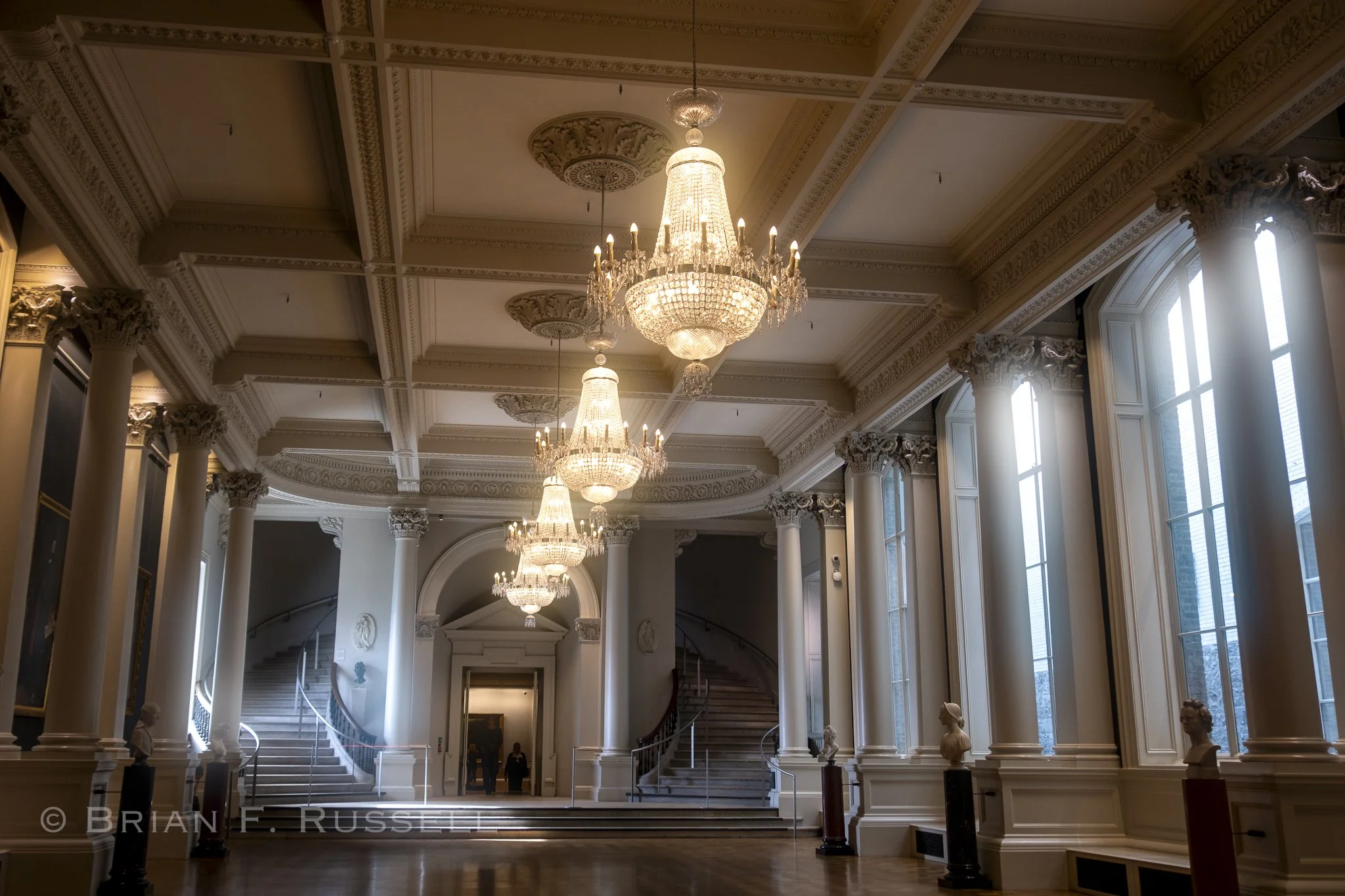
A hall in the National Art Gallery.
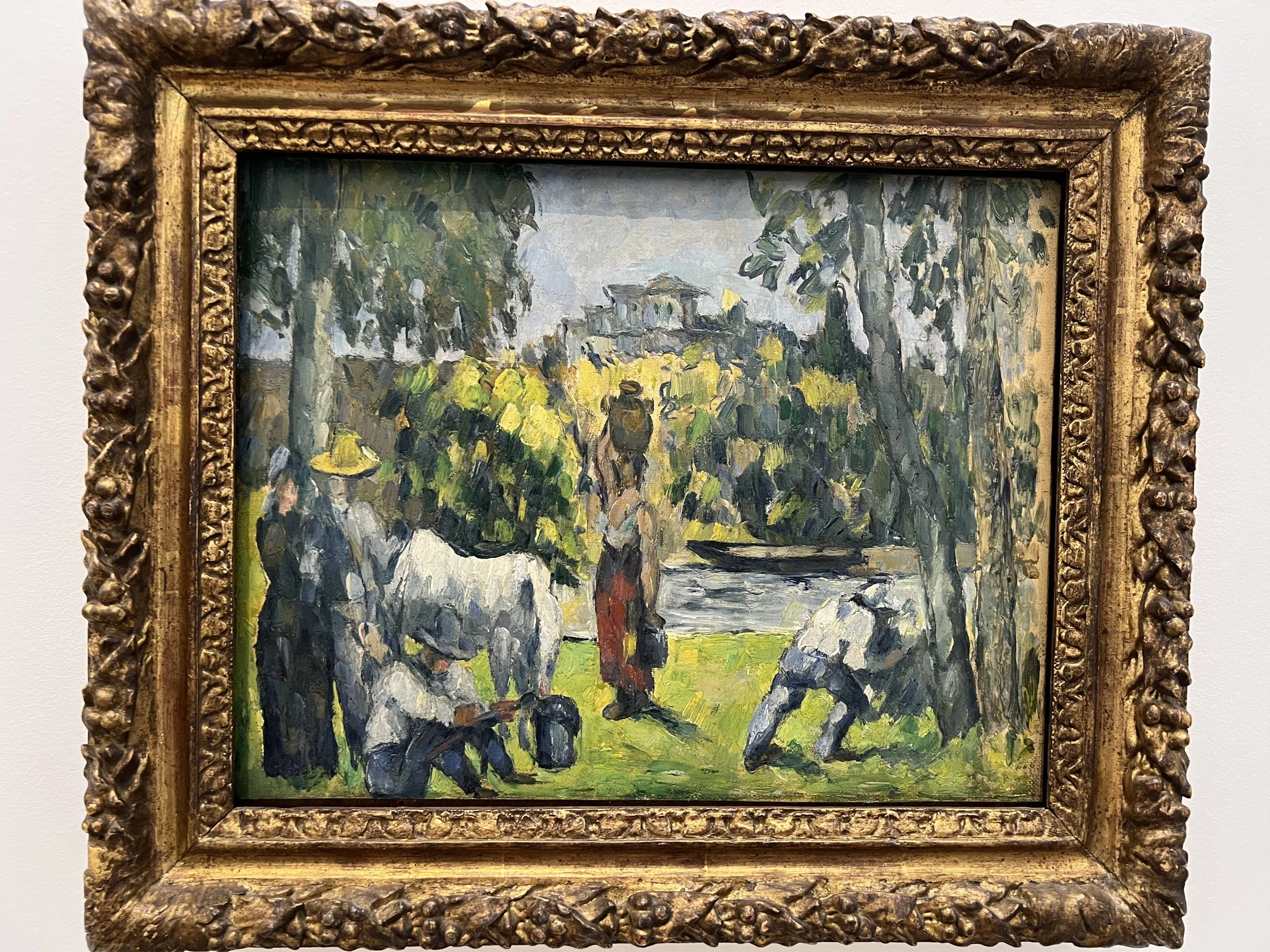
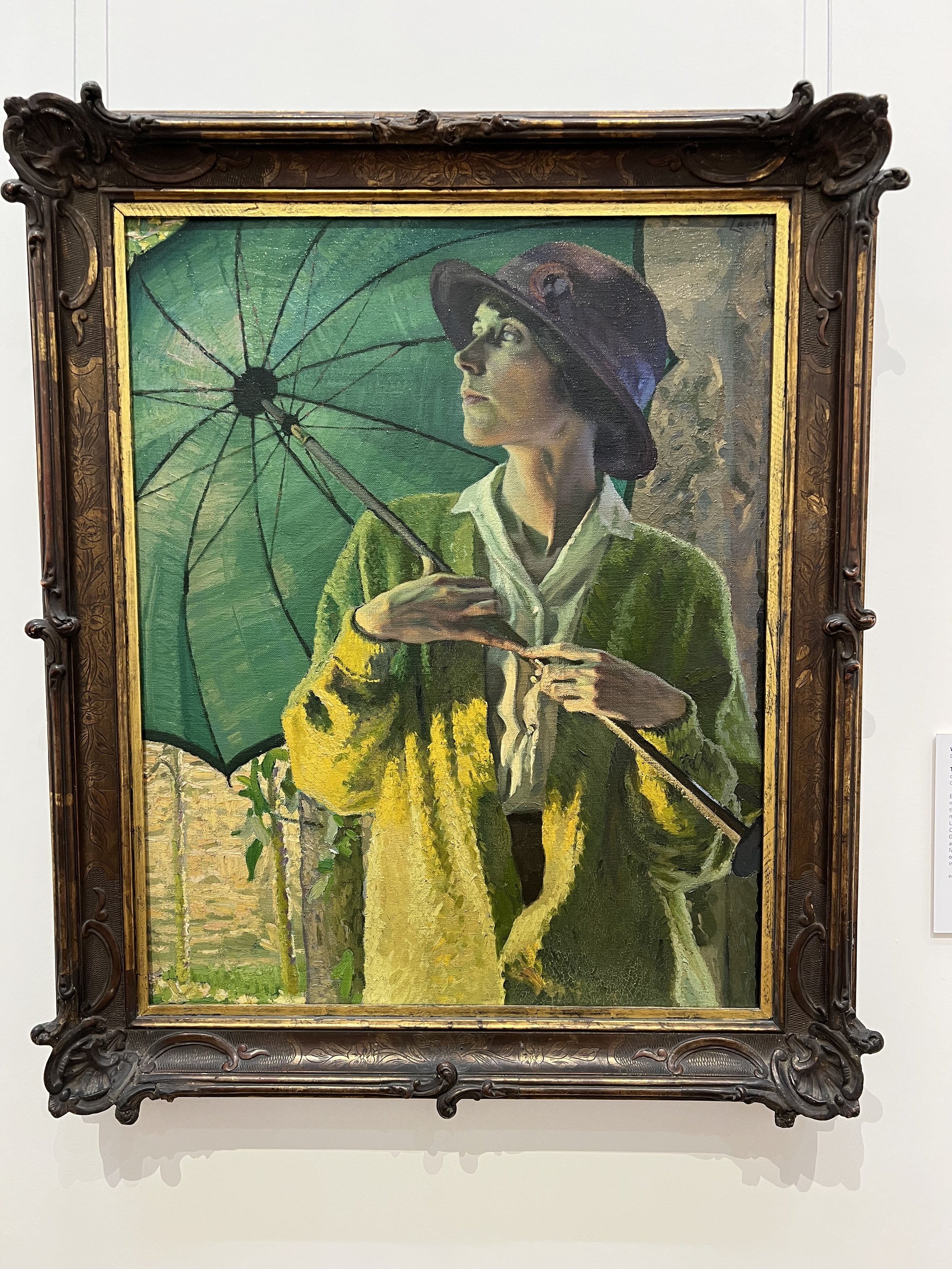
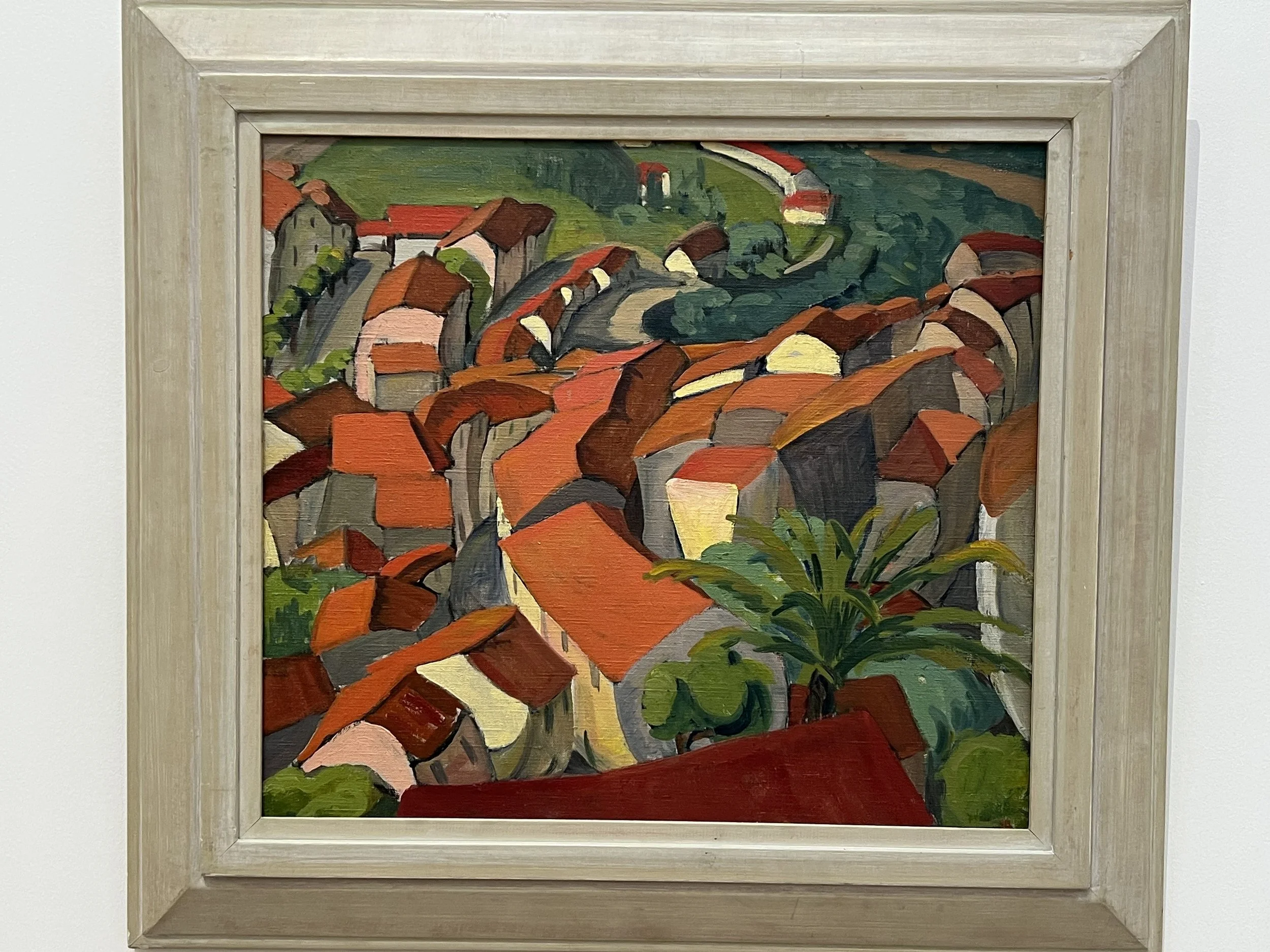
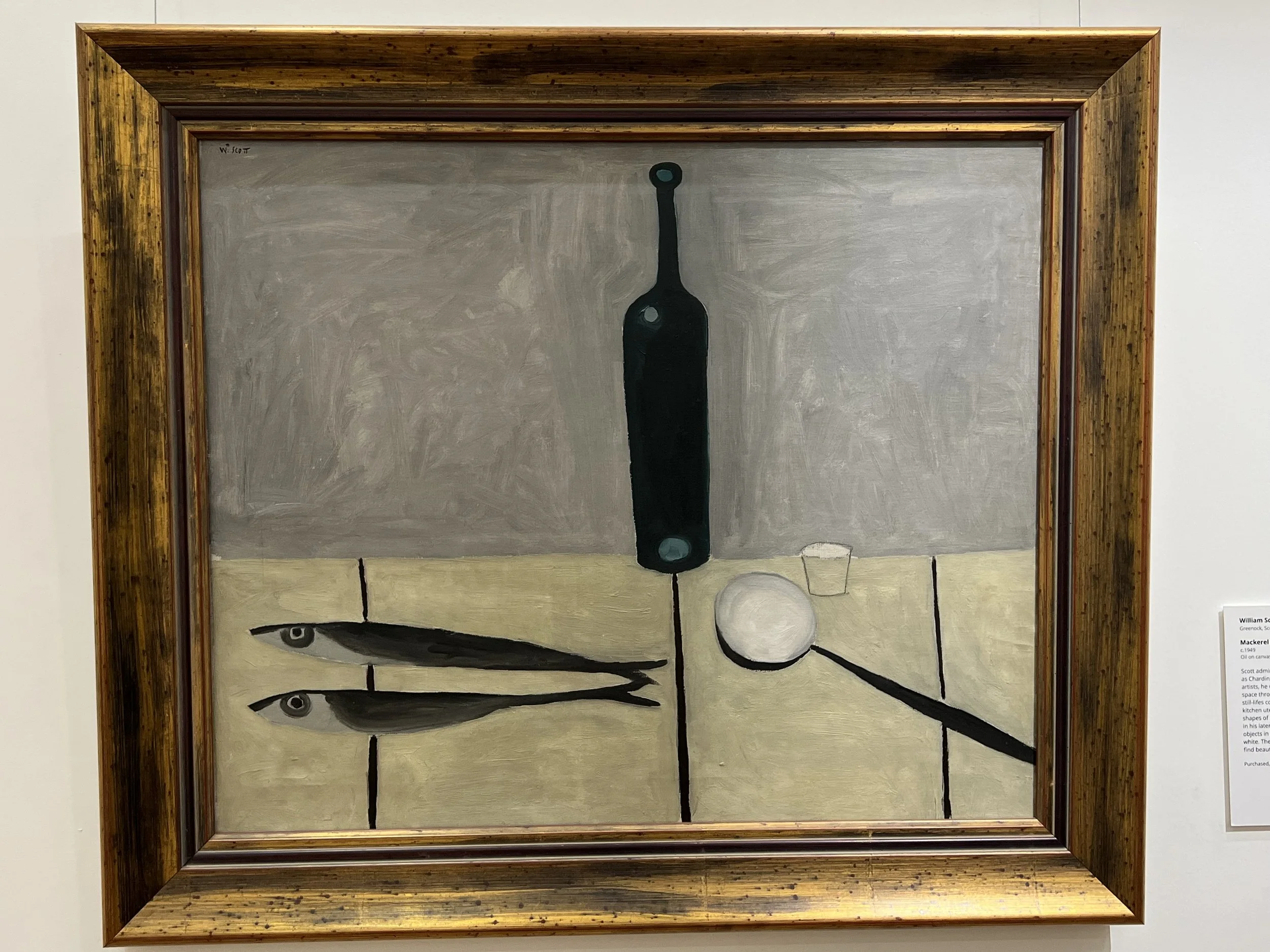
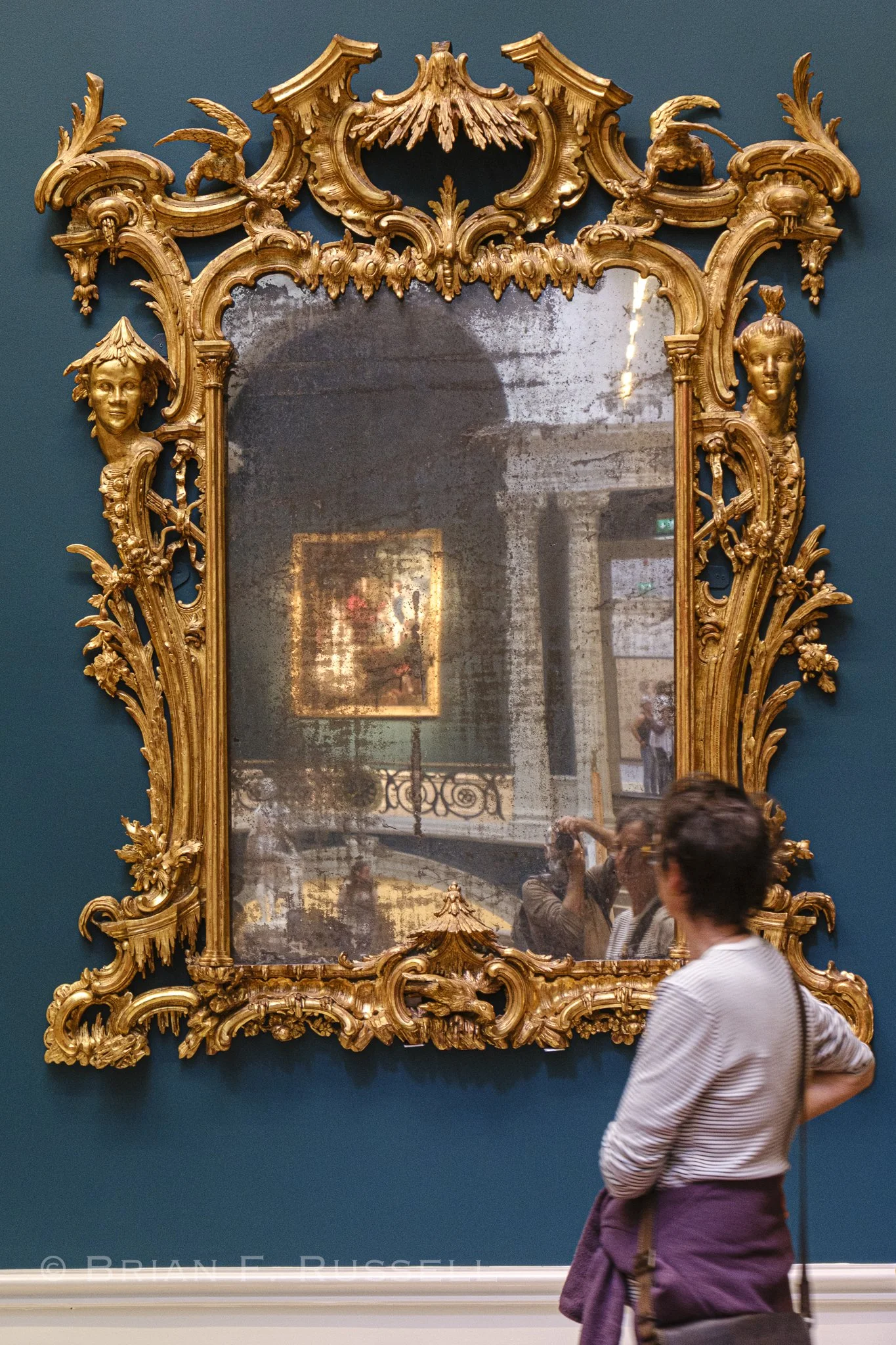
Not sure this fits with our decor on the boat.
The weather was giving us a break and we saw a weather window to move on south. Leaving Dún Laoghaire in the early morning, we sailed out past the fishermen on the breakwater, past the large square rigger at anchor in the bay. It was time for the next step of our voyage to begin.
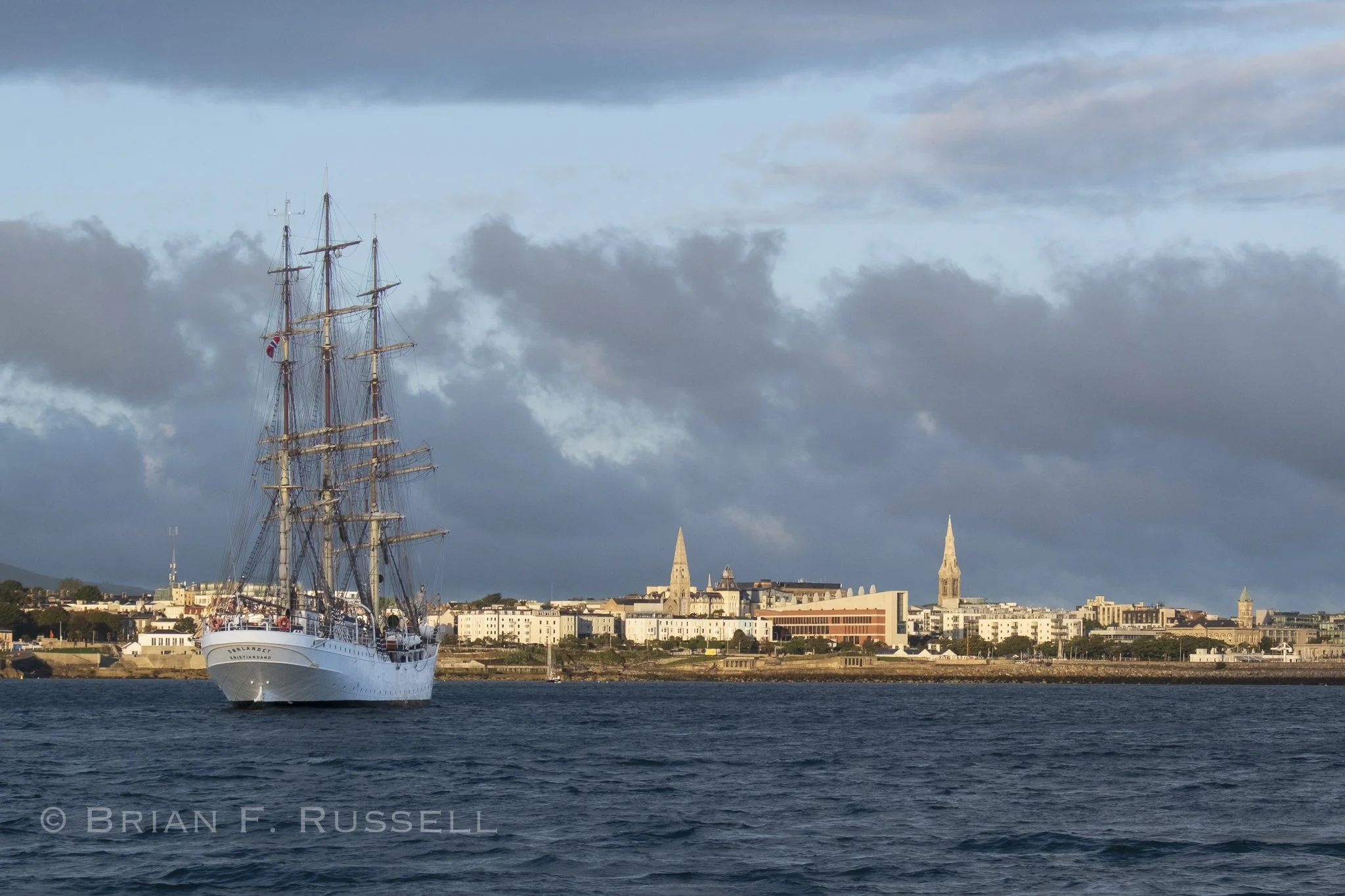
Leaving Dún Laoghaire in the early morning light.
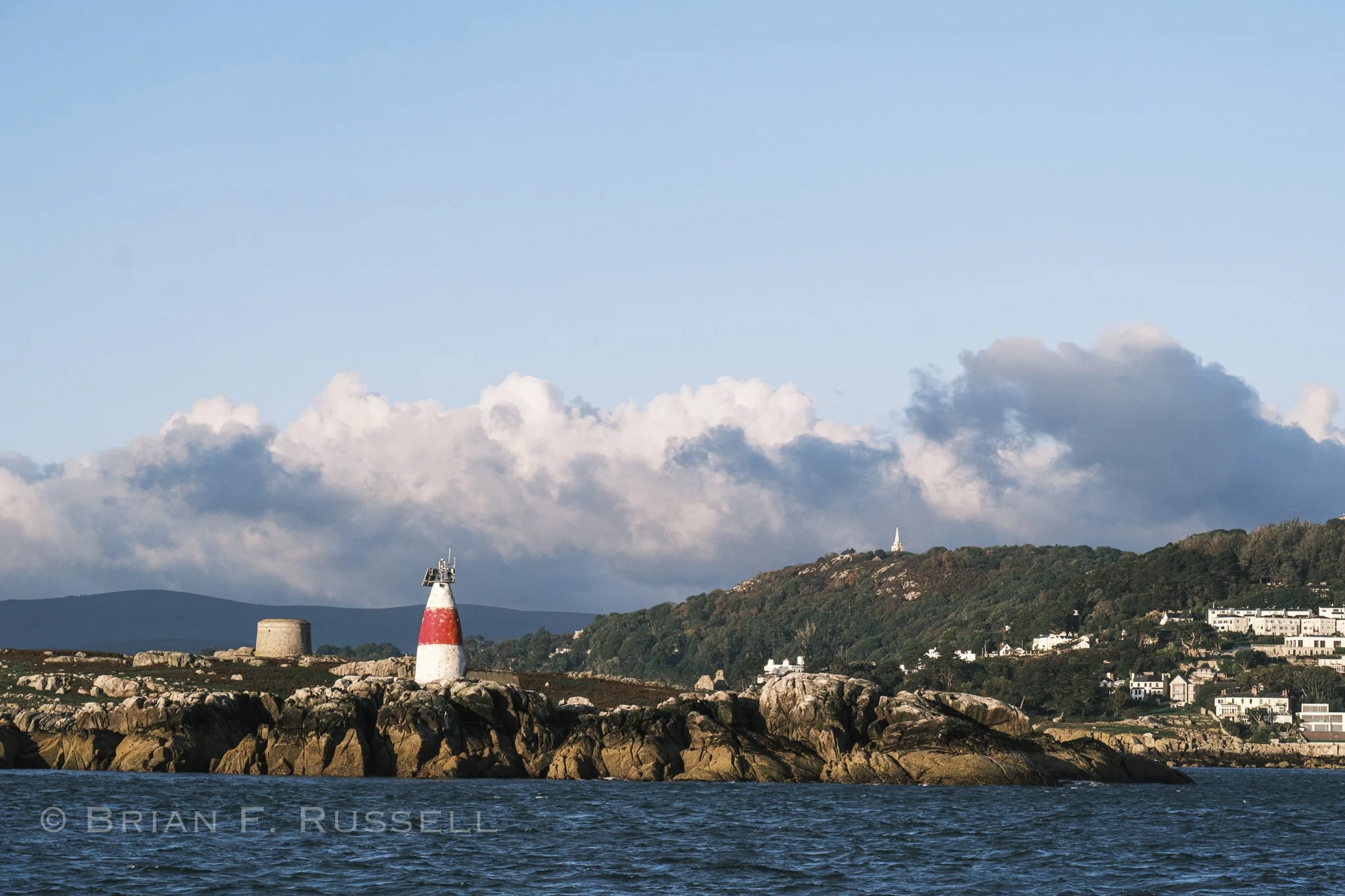
Martello tower and light marking the entrance to Dublin Bay.